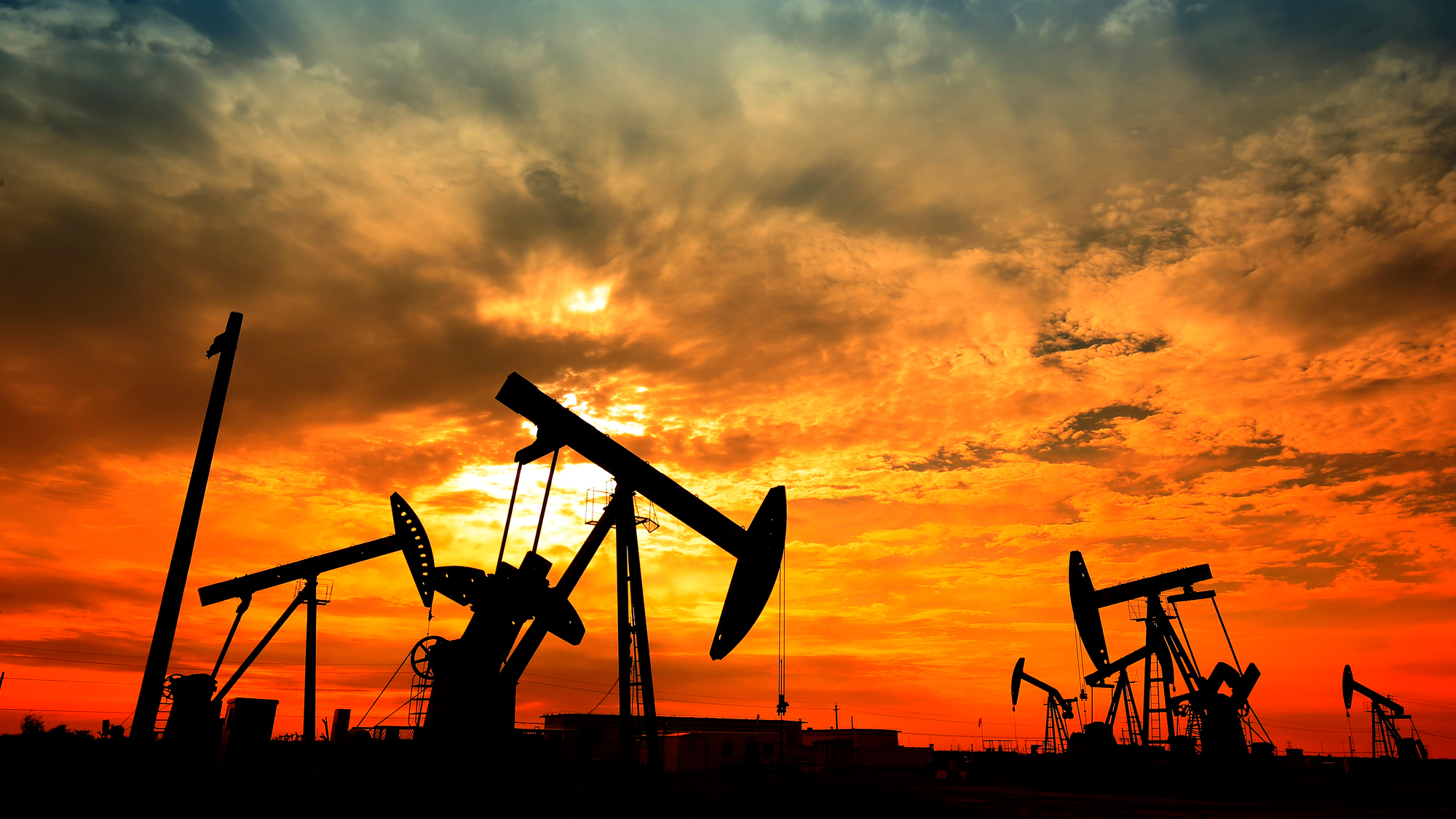
In Stavropol, Novokuibyshevsk, Saratov and Volgograd regions, fuel is running out at gas stations, and queues stretch for kilometers. This is not a result of some global crisis — it is a direct result of a series of strikes by Ukrainian drones on oil refineries that have disabled a number of Russian regions where fuel is running out and queues at gas stations have become kilometers long.
A million barrels of "shortage"
Now this picture has received numerical confirmation at the national level. According to OPEC+ monthly report data cited by Bloomberg, Russia in July was producing an average of 8.89 million barrels of oil per day — almost a million barrels less than the quota set for the country by the agreement. The target figure was 9.82 million barrels per day.
Compared to June, the decline looks modest — only 6,000 barrels per day. But this very figure shows the main thing: the shortfall from the quota is not accidental or temporary, it has already become a stable state of the Russian oil industry.
Drones change targets — industry changes shape
The quota shortfall occurs against the backdrop of almost daily Ukrainian attacks on Russian oil infrastructure, and the nature of these attacks in July changed twice, each time deforming the industry in its own way.
- In the first half of the month, Ukraine focused on refineries — processing fell to multi-year lows, while sea exports of crude oil instead jumped to near-record levels.
- In the second half, attacks shifted to tankers in the Black and Azov Seas — the refineries received a pause for repairs and increased processing, but this time crude oil exports suffered instead.
In other words, Ukraine is essentially keeping the industry in "choose what suffers this week" mode — processing or exports. Both hit revenues, just in different ways.
August: a new series
The pause did not last long. According to Bloomberg's calculations based on public statements from Ukraine and Russia, since the beginning of August, nine of Russia's 34 major refineries have been attacked — and most of them have already been hit earlier this year.
The cumulative effect of the long-range drone campaign is already measured in percentages of capacity: the attacks have disabled over 30% of actual and 45% of nominal oil refining capacity in Russia.
Who pays the bill
This is where the gap between macrostatistics and reality at the gas pump emerges. Analysts are already estimating the fuel deficit in Russia at 400–600 thousand tons per month, and retail fuel prices are hitting all-time highs. In a number of regions, gasoline is disappearing from sale, and queues at gas stations, according to drivers, stretch for kilometers.
At the same time, this is not a collapse — it is a managed crisis that the Kremlin is trying to deal with manually: oil companies are redistributing resources in favor of their own gas station networks rather than independent operators, thereby only exacerbating the local shortage where major players are absent.
What's next
The main question is whether this structure will withstand another autumn-winter cycle of strikes, when demand for fuel traditionally increases. If the pace of refineries attacks in August-September remains at nine plants per month, fuel deficits in regions risk ceasing to be a "problem of individual gas stations" and becoming a political issue for the Kremlin on the eve of the electoral cycle.