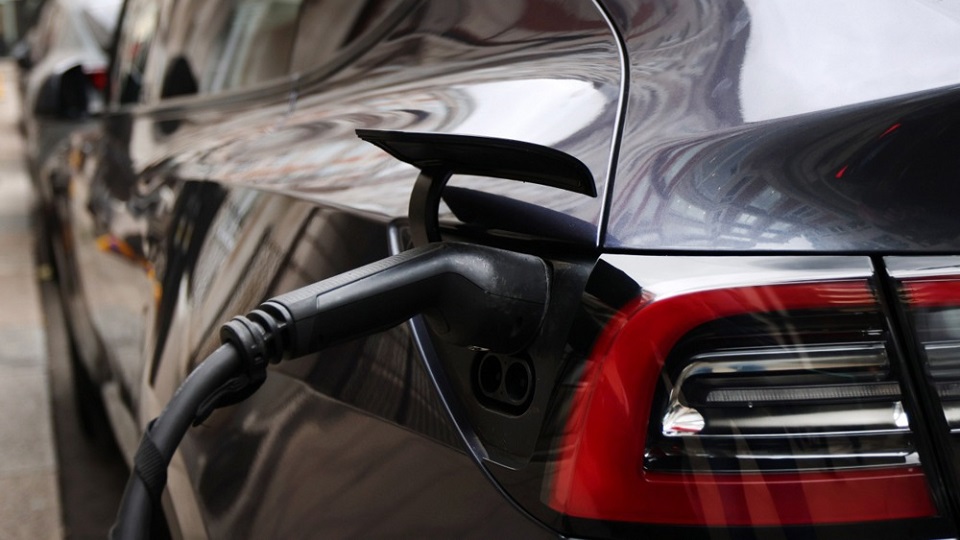
Introduction: a quiet return to reality
After a record December, when tens of thousands of electric cars entered Ukraine against the background of incentives, January brought a sharp correction: the market fell by more than 11 times. This is not just statistics — it is the result of a government decision that instantly changed the balance between green ambitions and budgetary discipline.
What happened
According to the association Ukravtoprom, 2,873 battery electric vehicles (BEV) were registered in Ukraine in January. In December 2025 there were over 32,800 such registrations — so the drop in demand was approximately 11.42 times. On a year‑on‑year basis, January showed a 21% decrease compared with the same month last year.
"In January the Ukrainian vehicle fleet was joined by 2,873 battery electric vehicles (BEV). Compared with last December, demand decreased by 11.42 times."
— Ukravtoprom
Who was affected
Most of the BEVs registered in January were passenger cars: 2,740 units (new — 952, used — 1,788). 133 commercial electric vehicles were registered, of which 37 were new. The monthly sales leaders were BYD models and several European/American brands (list in Ukravtoprom data).
Budget context: why the incentives were canceled
From January 1, 2026, VAT exemptions on the import and sale of electric cars were canceled in Ukraine — VAT of 20% is now added to their price. Import duty remains zero, and an excise has been set at €1 per 1 kWh of battery (approximately UAH 5,000 per car), which partly softens the price impact.
"According to calculations by the State Customs Service, Ukraine failed to receive UAH 36 billion in value added tax due to the introduction of the preferential taxation regime for electric vehicles."
— State Customs Service
According to the State Customs Service (SCS), budget losses were growing: in 2022 they amounted to UAH 2.8 billion, and in the first ten months of 2025 — already UAH 14.5 billion. It was this dynamic that the authorities took into account when deciding to cancel the incentives.
Effect on the market and the buyer
In 2025 the average cost of an imported electric car was about $21,000 (approximately UAH 880,000). At the same time, there were occasional premium purchases among imports — three Rolls‑Royce Spectre cars with a total value of UAH 56.4 million, with an exemption of UAH 11.2 million. The main countries of origin for imports remain China (exports of UAH 25 billion over the first 10 months of 2025), the USA (UAH 14.8 billion) and Germany (UAH 11.7 billion).
For the end buyer, the cancellation of VAT means a noticeable price increase for a new electric car. This will push demand toward used cars and make access to loan programs, leasing and state initiatives more important to preserve the trend toward electric vehicles.
What’s next: risks and opportunities
The government's decision is a compromise between fiscal necessity and climate/energy goals. If the aim is to reduce the burden on the budget, the step is logical. If the priority is a rapid transformation of the vehicle fleet in favor of energy independence and clean transport, compensatory mechanisms are needed: targeted assistance to the population, incentives for charging infrastructure, and programs for commercial transport.
Conclusion
The sharp drop in registrations in January is not just a spike in numbers but a signal: the electric vehicle market in Ukraine is entering a new phase, where the key issue is the balance between budgetary sustainability and support for the green transition. Whether this will be a temporary correction or a long‑term change of trajectory depends on the next steps by the government and partners: whether targeted support programs will appear and whether infrastructure can extract the maximum potential of EVs for the country's security and economic recovery.







