Brief and important
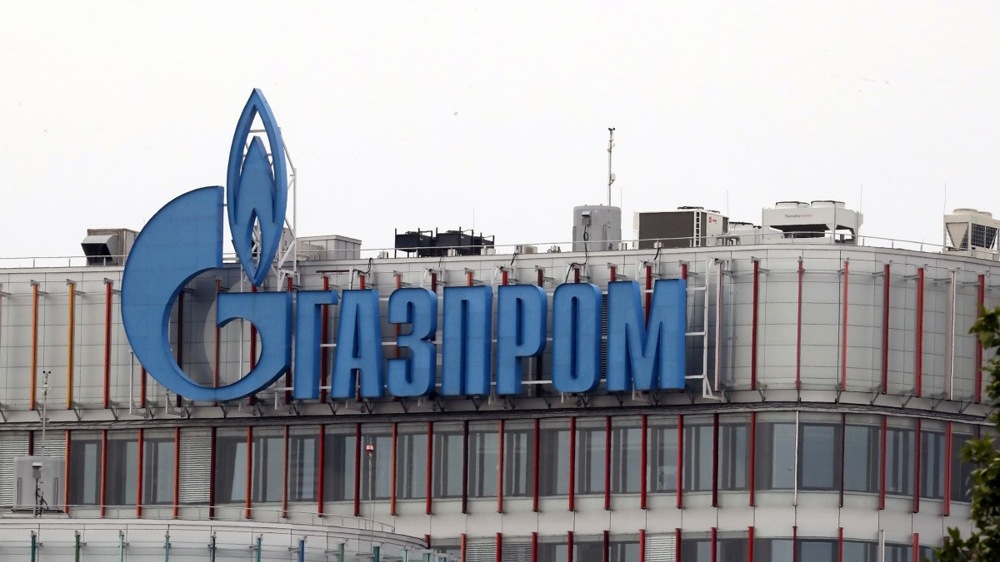
Serbia plans to extend the current contract for Russian gas supplies by another six months — until October. The news was first published by ExPro, and the chief executive of the state supplier Srbijagas, Dusan Bayatovic, explains this with pragmatic considerations of supply security and reserves in the underground storage.
Reserves and logistics
According to the company head, the Banatski Dvor storage currently holds about 400 million cubic meters of gas. This gives Belgrade a safety cushion until the end of the heating season and allows it to gradually reduce average daily imports from roughly 10 to 6 million cubic meters for the period up to October. The maximum daily withdrawal this season reached 17.5 million cubic meters.
"The Banatski Dvor underground storage currently holds about 400 million cubic meters of gas"
— Dusan Bayatovic, general director of Srbijagas (via ExPro)
Price and market
Srbijagas buys gas at around €270 per 1,000 cubic meters, while spot quotations on the exchange reached about €350. This gives Belgrade a short-term economic advantage — and another reason not to accelerate diversification away from the Russian supplier.
Why this matters for Europe and Ukraine
Serbia’s decision has several implications: first, it underlines that sanctions and political pressure do not always instantly shift the energy sector onto new tracks. Second, it intensifies competition for limited volumes of alternative supplies (for example, from Azerbaijan), which in the short term will not be able to fully cover the region’s needs. Third, such a choice complicates European coordination on energy policy — from decisions on joint purchases to implementation of sanctions.
Political and economic context
There is also a geopolitical dimension to this decision. The US previously imposed sanctions on the Serbian oil and gas company NIS, and some neighbors — for example, Croatia — discussed transitional supply models and even the purchase of stakes in Serbia’s oil industry. Belgrade, meanwhile, is demonstrating pragmatism: it is securing energy stability for the population and the economy, even if that means temporarily ignoring political pressure.
What's next?
There are not many options: either partners offer Serbia real technical and financial alternatives (infrastructure expansion, joint purchases, subsidies for diversification), or Belgrade will again choose the path that guarantees short-term stability at the cost of a longer tie to the Russian market. For Ukraine, this is another signal: Europe’s energy security is not only a matter of sanctions or rhetoric, but of infrastructure, money and trust.
Summary: Serbia’s decision is understandable from a risk-management perspective, but it poses a concrete question to the EU and its partners — are they ready to turn political solidarity into real instruments that will allow countries in the region to break energy dependence on Moscow?







