While they talk numbers — they hide routes
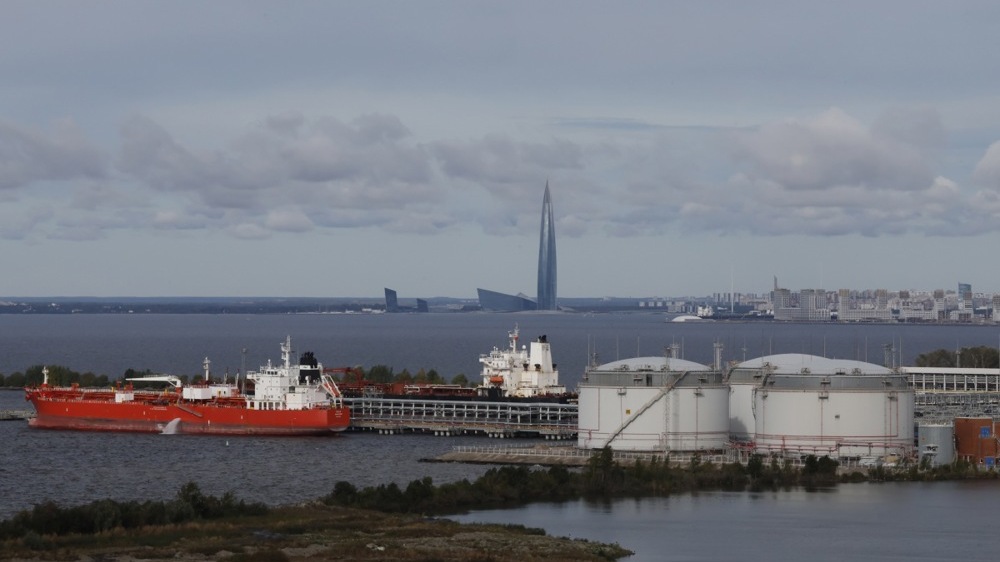
According to Reuters and shipping monitoring by LSEG, in January tankers carrying Russian oil most often listed Singapore as their official destination — about 1.4 million tonnes, the highest monthly volume in recent years. At first glance that may look like a logistical detail, but the point is that Singapore itself officially does not import Russian oil because of sanctions risks — instead the surrounding waters are used for ship-to-ship transfers or pumping into floating storage.
What traders and the data report
"Oil tankers carrying crude from the aggressor country Russia increasingly list Singapore as their official destination, signaling a shift in export flows from India to China and growing concern about sanctions."
— Reuters (citing traders and LSEG data)
Traders report two key practices: offloading near Malaysia or transferring cargoes to floating storage, and using Singapore as a temporary destination to mask final buyers. This is an element of a "dark" supply chain that reduces transparency and complicates enforcement of sanctions mechanisms.
Context: demand, discounts and geopolitics
Against the backdrop of these maneuvers, important changes in demand are taking place. Reports say India is cutting purchases of Russian oil as part of agreements with the United States: on February 2 the US president Donald Trump, after talks with India's prime minister, announced India's agreement to refrain from buying Russian oil. At the same time Bloomberg notes that Russia has increased discounts on oil for India, likely to test compliance with that agreement. Meanwhile the largest buyer remains China, but Chinese state firms are cautious with spot shipments due to sanctions risks.
The economic effect is already visible: Russia's oil and gas revenues in January fell by half compared with January 2025, which strengthens Moscow's incentive to seek workarounds and to aggressively adjust trading terms.
What this means for sanctions and for us
Transshipment in neutral waters and the use of floating storage undermine trade transparency and give Russia time and opportunities to blunt the impact of sanctions. For Ukraine this is not an abstract trade tactic but a direct effect on partners' ability to reduce the financial flows that sustain the aggression. Analysts warn that without stronger control over shipping, insurance and financial flows, sanctions will lose their effectiveness.
Practical steps experts propose include: strengthening monitoring of AIS and satellite data, coordinating port oversight in the region, tightening requirements for insurance and financing of shipments, and working more closely with private traders and insurers to identify the "dark fleet."
Conclusion
It is now important not only to record statistics but to turn them into concrete action: from tracking routes — to imposing restrictions on financing, insurance and risk coverage. As Russia adjusts its distribution channels, partners must convert analysis into operational reinforcement of controls. Whether there will be sufficient resolve depends on how quickly transparent mechanisms replace the current loopholes.







