Event: what happened
U.S. President Donald Trump announced on Truth Social that, at his direction, U.S. Central Command carried out a strike on the island of Khark. According to him, only military targets were hit, and the oil infrastructure was left untouched.
"A few minutes ago, at my direction, U.S. Central Command carried out one of the most powerful bombardments in the history of the Middle East and completely destroyed all military targets on the pearl of the Iranian empire, the island of Khark"
— Donald Trump, President of the United States (post on Truth Social)
The Iranian Islamic Revolutionary Guard Corps responded with a threat: if energy facilities are struck, they promised to "destroy the entire regional oil and gas infrastructure."
"We will destroy the entire regional oil and gas infrastructure if energy facilities are attacked"
— Islamic Revolutionary Guard Corps (official statement)
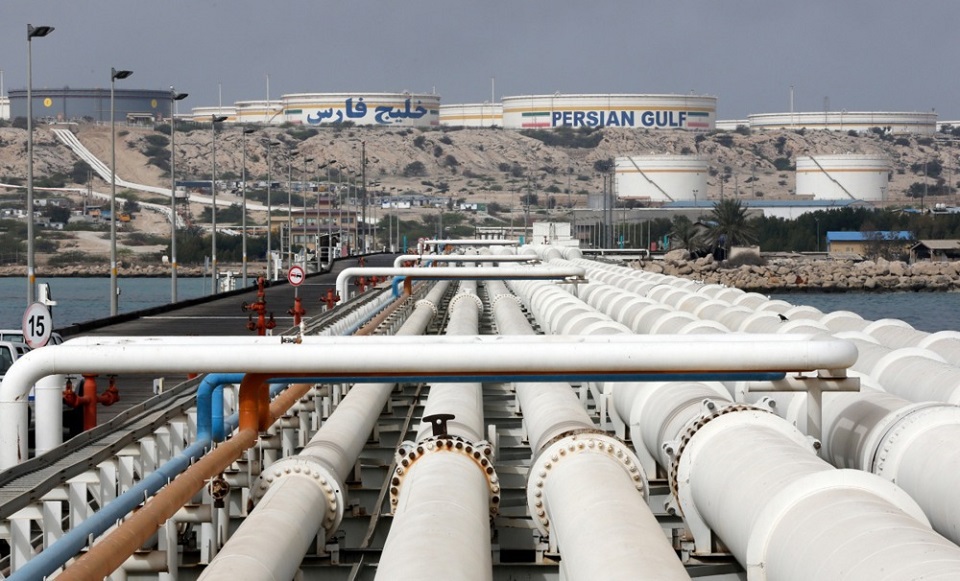
According to Iranian state media, the island's oil infrastructure was not damaged. A White House spokeswoman, according to reports, said the president is "wisely" considering all options.
Why this matters
Khark Island is a strategic terminal that handles about 90% of Iran's crude exports with a capacity of roughly 7 million barrels per day. Any operation against this node has direct consequences for global supplies, oil prices, and the security of shipping lanes in the Strait of Hormuz area.
Analysts warn: holding or capturing such a facility would require a ground operation — a scenario the U.S., experts say, is not yet prepared for. Axios has reported that the administration previously discussed the possibility of seizing the island; CNBC and other analysts predict the escalation will lead to further price increases.
Impact on markets
The market has already reacted: Brent futures closed above $100 per barrel for the second day in a row, and global prices have risen more than 40% since the start of the regional crisis. Even reports that the infrastructure was spared do not remove the risks — fears of supply disruptions are keeping volatility elevated.
What it means for Ukraine and partners
For Ukraine, stability on the global energy market has a double significance: first, it is a matter of fuel prices and availability; second, it is an indicator of allies' readiness to coordinate actions in crises that affect global economic security. The U.S. action signals a desire to deter the military capabilities of an adversary, but it also tasks partners with reducing escalation risks through diplomacy and sanctions mechanisms.
Summary and outlook
In the short term — heightened oil-market volatility and intensified diplomatic talks. In the medium term — a test of supply-chain resilience and of the coalition's ability to turn statements into concrete deterrent tools without an unpredictable ground operation. The question remains: can partners convert military-strategic steps into long-term energy-market stability and avoid dangerous escalation?
Sources: posts by Donald Trump on Truth Social; Iranian state media; Axios; CNBC; official statements from representatives of the White House and the Islamic Revolutionary Guard Corps.







