What it’s about
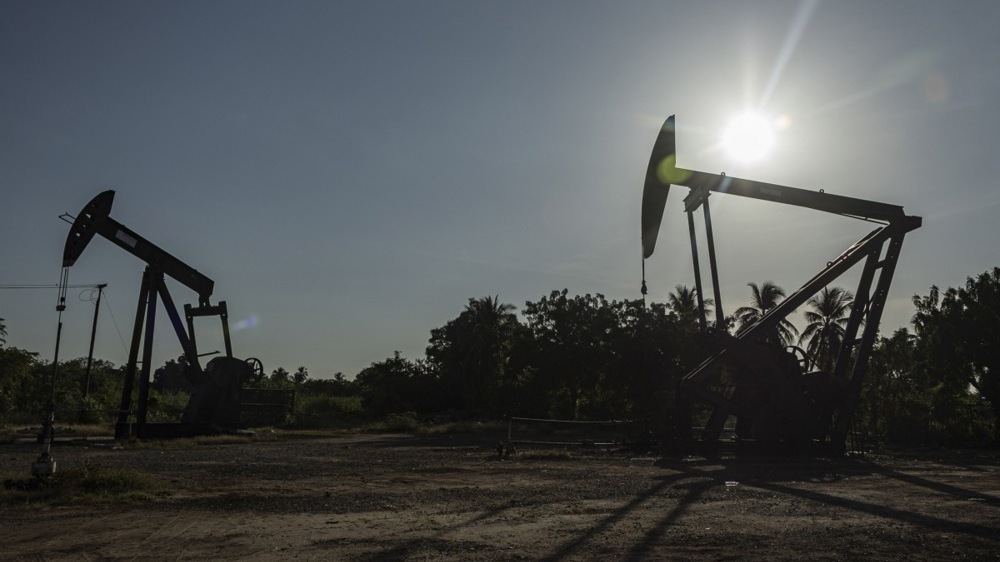
According to Bloomberg, U.S. Energy Secretary Chris Wright in Paris, during a meeting of International Energy Agency ministers, estimated that oil production in Venezuela could rise by 30–40% in 2026 — that is roughly by 300,000–400,000 barrels per day. Wright said there is “huge interest” among companies seeking to return to the Venezuelan market.
Context
After U.S. sanctions were imposed in 2017, production in Venezuela fell by roughly half. At the same time, Washington made decisions on how proceeds from sales would be handled — some oil could be sold “indefinitely,” with the funds intended “for the Venezuelan people.” There have also been orders in the past to freeze certain funds in accounts at the U.S. Department of the Treasury.
Against this backdrop, other market players, notably India, are reassessing supplies: state refiners have been instructed to consider increasing purchases of U.S. and Venezuelan crude amid a gradual reduction in purchases of Russian feedstock.
Why it matters for Ukraine
Economic dimension. Additional barrels on the global market could partially ease price pressure on energy, which would have a positive effect on the budgets of European partners and, indirectly, on the costs of logistics and infrastructure reconstruction in Ukraine.
Geopolitical dimension. An expanded supply from Latin America changes the map of deliveries and could reduce the maneuverability of Russian oil in certain markets. At the same time, opening the Venezuelan market raises the role of commercial interests in sanction-related decisions — and this requires careful coordination between the security and economic priorities of Ukraine’s partners.
Risks. A short-term drop in prices does not resolve market structure: prices remain vulnerable to geopolitical shocks, and revenues from energy sales can again become an instrument of influence in the region.
“There is huge interest among companies looking to enter the Venezuelan market”
— Chris Wright, U.S. Secretary of Energy (according to Bloomberg)
Conclusion
Increased production in Venezuela may slightly relieve the global market and shift the balance of commercial interests. But for Ukraine the more important question is whether international partners can combine economic gains with a long-term security strategy so that the energy shift does not weaken sanctions pressure on those who finance aggression?







