What was signed
In Stockholm, Ukraine, Sweden, Lithuania and Canada signed an agreement to create the Ukraine Transport Support Fund (UTSF). Five more countries — Denmark, Germany, Norway, Estonia and the United Kingdom — joined the joint declaration on launching the fund. The Ministry for Communities and Territories Development of Ukraine will be the fund’s beneficiary.
What the fund is for
The fund is aimed at financing small and medium-sized recovery projects for civil transport infrastructure: roads, railways, waterways and urban mobility. The idea is to have an instrument that can quickly respond to local needs, rather than waiting for large packaged decisions.
"The launch of the Ukraine Transport Support Fund is a practical tool that, we hope, will allow rapid response to the sector's needs and the initiation of concrete recovery projects."
— Sergey Derkach, Deputy Minister for Communities and Territories Development
Numbers that explain the scale
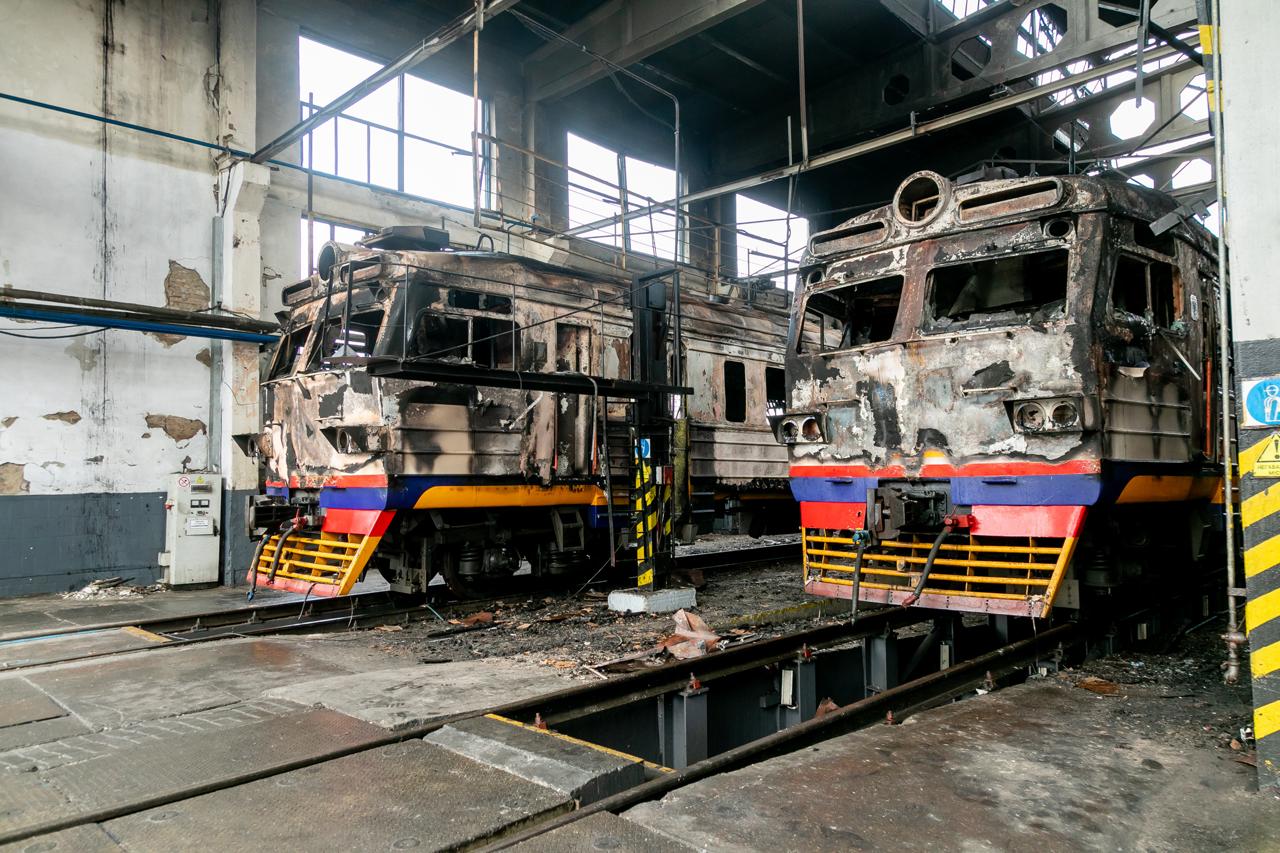
According to RDNA4, direct losses in the transport sector were estimated at $36 billion, economic losses at $46 billion, and total recovery needs at about $77 billion for the next decade. KSE estimated total direct losses at $38.5 billion at the start of 2025, including more than 26,000 km of roads, $4.3 billion — railway losses, $0.85 billion — ports, $2 billion — aviation; about 260,000 passenger cars were damaged or destroyed.
"Transport infrastructure is being deliberately attacked by the enemy. Since the start of the full-scale invasion the railway alone has suffered more than 4,700 strikes. In total, tens of thousands of attacks on transport infrastructure facilities have been recorded."
— Oleksiy Kuleba, Minister for Communities and Territories Development
Why this matters now
There are several practical reasons why creating the fund matters for every region:
• Speed: Compared to standard international programs, the fund can mobilize resources for local repairs and recovery that put roads, bridges and ports back into operation faster.
• Focus on small and medium-sized projects: These investments have the quickest impact on the mobility of people and goods — from municipal transport to rural mobility.
• Signal of confidence: The signing by four countries and the accession of others is a test of international partners' willingness not only to declare support but also to invest money into specific assets.
What risks exist and what needs oversight
The fund can become a catalyst for recovery, but the effect will depend on two factors: transparent governance and coordination with national plans (RDNA5, which is being updated at the end of February 2026). Without clear project selection procedures and auditing, risks of waste and corruption will remain.
What’s next
The next steps are legal establishment of the fund, capital raising and launching the first project competitions. For communities, this means the possibility of receiving money faster for repairing roads, bridges and transport hubs. For the state, it is a tool de jure and de facto to accelerate the restoration of logistics chains, which is critical for the economy and defense.
Analytical forecast: The fund has a chance to become an example of practical assistance that reduces the gap between international support and real repairs. However, the effect will be visible only under strict transparency standards and synchronization with national recovery programs.
The question that remains open: will partners turn declarations into sustained financing and oversight — and will Ukraine be able to use this instrument to restore the mobility of people and markets already in the coming seasons?







