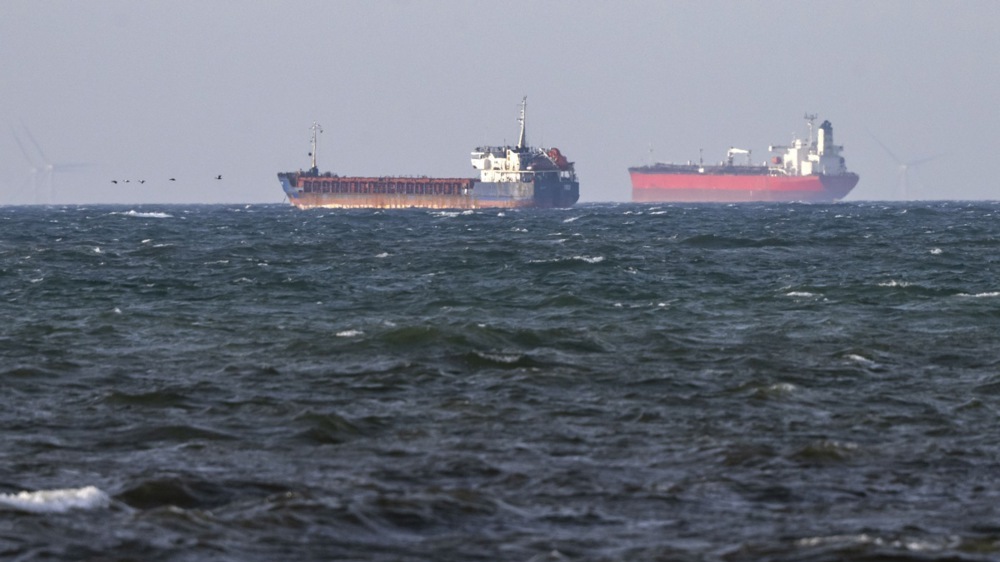
On March 6, 2026, Swedish coast guard detained the bulk carrier Caffa (4,337 deadweight tons) in the Baltic Sea near Trelleborg. The vessel was en route from Casablanca to St. Petersburg with grain, was sailing under a false Guinean flag, and had forged registration documents.
The scheme: how it worked
According to Ukraine's Main Intelligence Directorate, Caffa first appeared in occupied Sevastopol in June 2025 — after previously changing its name, flag, and owner. As analyst Kateryna Yaresco explained, the vessel then loaded 3,000 tons of barley at the Avlita grain terminal and delivered it to the Syrian port of Tartus.
"This was one of the first shipments that resumed grain traffic from occupied territories after the change of power in Syria."
Kateryna Yaresco, analyst
In November 2025, Ukraine imposed sanctions against the vessel. According to the presidential sanctions envoy Vladyslav Vlasiuk, Caffa systematically violated entry and exit rules at temporarily occupied ports, concealing this through fictitious registrations in international databases — in particular, it was listed as "Guinea False."
According to Reuters, between January and April 2026, 25 "shadow fleet" vessels made 50 trips from occupied Ukrainian ports to third countries. During this period, over 850,000 tons of grain were exported, according to Foreign Minister Andrii Sybiha.
What the Swedish court decided
On March 12, 2026, the Office of the General Prosecutor sent a request for international legal assistance to Sweden's Ministry of Justice. The Swedish side acted quickly: it conducted a search, interrogated the captain and crew (10 of 11 members are Russian citizens). The captain was arrested for presenting false documents but was later released — it was impossible to prove he was aware of the fraud.
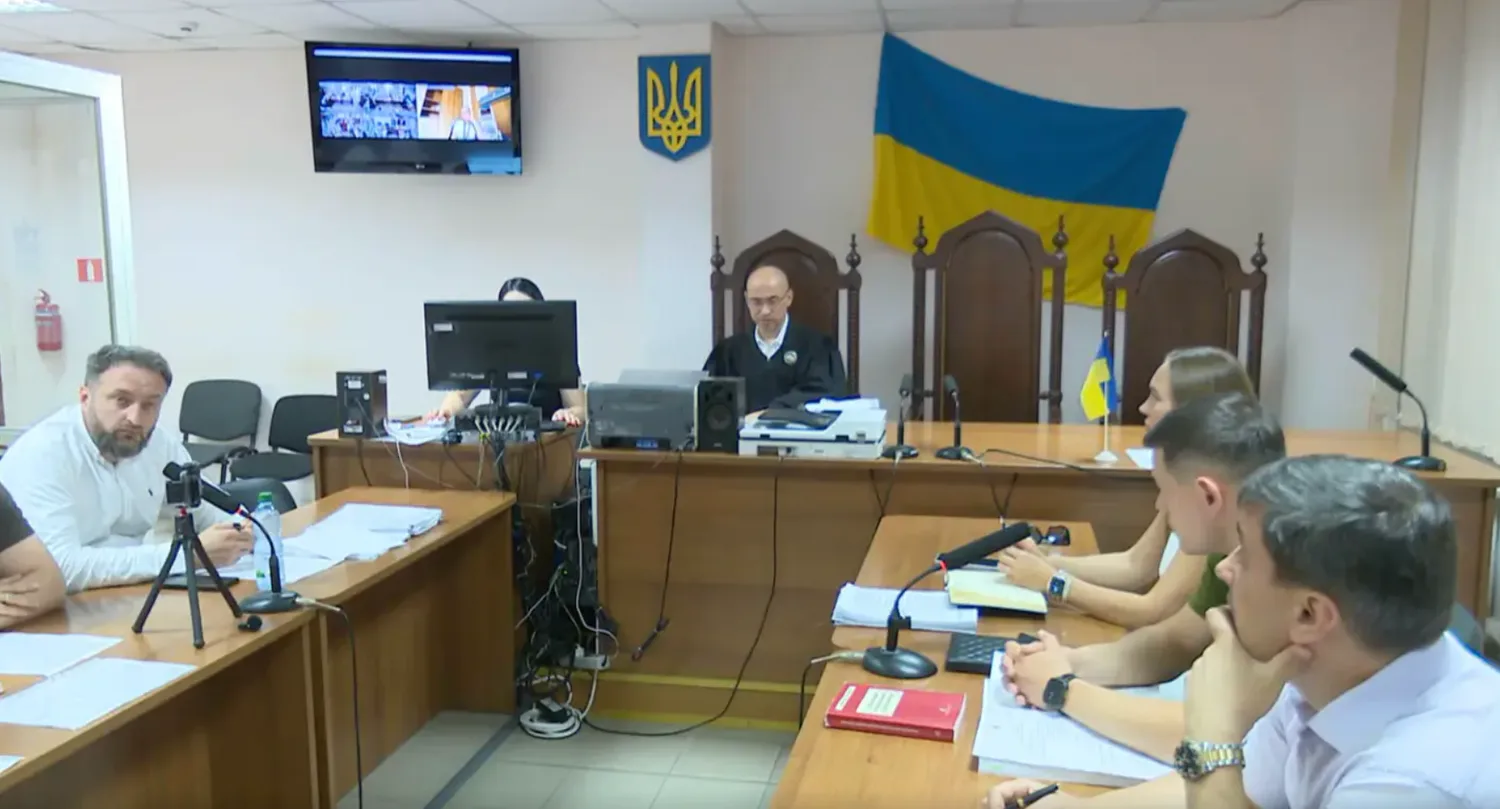
On April 29, prosecutor Göran Larsson confiscated the vessel so the court could consider transferring it to Ukraine. On June 4, the Gävleborg District Court confirmed: the arrest is lawful, transfer is possible. The court classified the suspected actions as a war crime under Swedish legislation — this is what created the legal grounds for confiscation.
"The court confirmed that the arrest of the vessel Caffa and related objects was lawful and that the vessel can be transferred to Ukraine."
Prosecutor Göran Larsson, Reuters
According to General Prosecutor Ruslan Kravchenko, this is the first case in which a foreign court has granted a request from Ukrainian prosecutors to arrest a vessel as part of an investigation into the illegal export of products from occupied territories.
"No manipulations with flags, routes, or registration documents will help avoid accountability."
General Prosecutor Ruslan Kravchenko
Precedent or exception
The key legal question is not the arrest itself, but the transfer mechanism: Swedish law permits it, but a final decision is still ahead. The vessel remains at anchor, the crew has been released. Analysts point out: Caffa is a small-tonnage general cargo ship, not a tanker, meaning Russia uses even smaller vessels for grain schemes than those on EU sanctions lists.
If Sweden actually transfers Caffa to Ukraine — rather than merely confirming the lawfulness of the arrest — it could create a working template for similar requests to other Baltic region states, where at least several vessels under suspicion are currently located. If not, the case will remain a symbolic but legally hollow precedent.