What happened
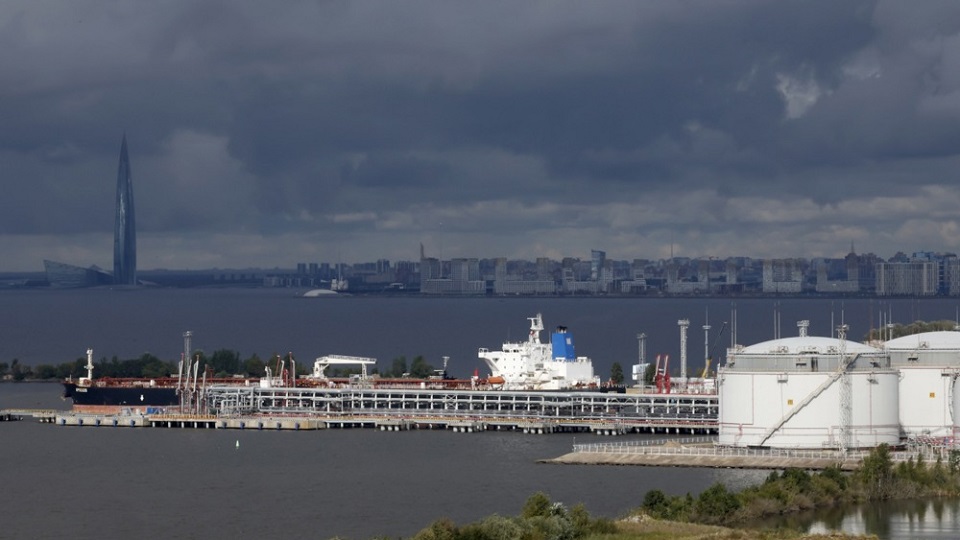
Export prices for Russian oil continue to fall: by the end of 2025 — start of 2026 they dropped to levels not seen since February 2022. According to Bloomberg, this is already the 14th consecutive week of price declines and a simultaneous reduction in export volumes.
"The 14th consecutive drop in prices combined with lower volumes has driven export value to its lowest level since Russia's invasion of Ukraine in February 2022"
— Bloomberg
Key figures: on average over the four weeks to January 4 the gross value of Russia's oil exports was about $960 million per week (down ~10% week-on-week). Separately — a weekly figure around $835 million in the seven days to January 4 (down ~11% from the previous week).
Urals prices in Baltic and Black Sea ports fell to roughly $36.69 and $34.82 per barrel respectively; in some weeks the price fell to $33–34 — the lowest levels since the pandemic. The Pacific grade ESPO traded around $47.55 per barrel, while deliveries to India were about $54.64 per barrel.
Similar data from Argus Media show Urals now trading at approximately 60% of its October 1 price; ESPO has lost about 25%, while North Sea crude has fallen by only about 10%.
Why this happened — and what's behind it
The reasons are complex but clear: a combined effect of sanctions, price caps and logistical constraints plus reduced demand on certain routes and from certain buyers. In particular, recent US restrictions against major exporters (including Lukoil and Rosneft) have played a significant role, causing prices for Russian grades to fall faster than global benchmarks.
Put simply: when buyers are forced to pay less or completely cut volumes, state revenues from the oil sector decline — which means fewer resources for the war machine and other regime expenditures.
What this means for Ukraine
For us this is a strategic positive: lower receipts reduce the Kremlin apparatus's financial mobilization and amplify the effect of sanctions that are already in place. At the same time this is not an automatic victory: Russia can seek deeper discounts or alternative sales channels, and also accelerate mobilization of internal resources and repression to compensate for the losses.
Therefore it is important not only to note the price decline, but also to intensify diplomatic and economic pressure: monitoring and blocking sanctions evasion, enforcing price caps, and close coordination with key buyers — all of this turns a temporary fall into a long-term strategy to weaken the aggressor's financial base.
Brief outlook
If partners maintain pressure and do not give Russia easy ways to compensate, low prices could persist for several months. That gives Ukraine time to strengthen its positions on the battlefield and continue international efforts. But the risks of re-exports, reduced sanctions effectiveness and the search for new buyers remain — so action must be systematic, not limited to celebrating the statistics.
Sources: Bloomberg, Argus Media. At the end of December 2025, Russian claims about "losing trillions of dollars" due to price undercutting only underscore the scale of the hit to the regime's revenues.