Record year: figures and source
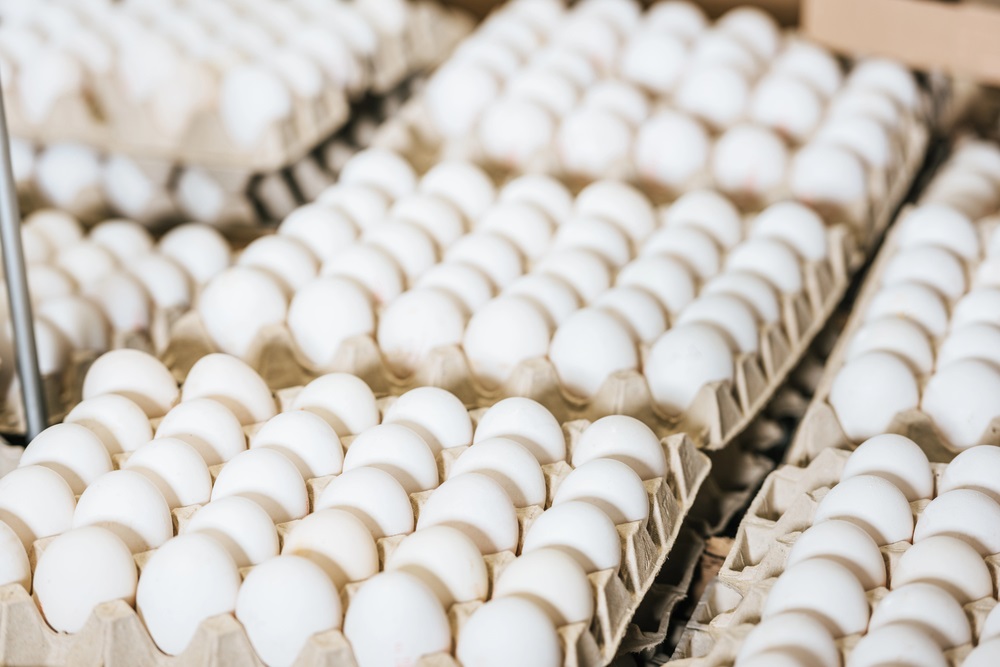
In 2025 Ukraine exported 2.05 billion eggs — 65.6% more than in 2024. Revenue from this trade reached $201.9 million, which is 2.8 times the previous year's figure. The data were published by the Association of Poultry Farmers of Ukraine.
Separately, exports of egg products (pasteurized mixes, powder, etc.) amounted to about 8.2 thousand tonnes for $47.8 million — +2.6% by weight and +40.3% in monetary terms compared with 2024.
"The significant reduction in egg production in EU countries due to a difficult epizootic situation... led to price increases on the European market and contributed to heightened demand for Ukrainian products"
— Association of Poultry Farmers of Ukraine
Where the Ukrainian product went
The largest buyers of fresh eggs were: Spain (16.4%), the United Kingdom (11.9%), Czechia (10.3%), Poland (10.0%), Croatia (8.7%) and Israel (7.8%). Among importers of egg products the leaders were Latvia (24%), Italy (23.8%), Poland (17.2%) and Denmark (12.6%). Overall, the share of EU countries in egg exports was 73.4%, and in exports of egg products — 92.6%.
Why this matters for Ukraine
This is not just temporary demand. First, export growth compensates for domestic consumption decline related to population decrease and low purchasing power. Second, sales to the European market bring foreign currency inflows and support jobs in the agricultural sector — from the farm to processing and logistics.
"Due to the significant decline in population and its low purchasing power, exports play a decisive role in balancing the domestic market and ensuring the country's food security"
— Association of Poultry Farmers of Ukraine
Risks and opportunities
Opportunities: Ukraine is strengthening its trade presence in the EU and capturing added value from exports of processed products (the value of egg product exports is rising). This creates a chance to invest in modernizing processing capacities and logistics.
Risks: European market demand remains vulnerable to epizootics (avian influenza, Newcastle disease), as well as to price and transport cost fluctuations. Stable growth requires investments in biosecurity, certification and long-term contracts with partners.
What next
The 2025 figures show that Ukraine's egg sector can quickly respond to regional shocks and carve out a niche on the European market. But for temporary demand to become a lasting advantage, export support policies, investments in processing and strict biosecurity standards are needed.
Whether the sector can transform the current momentum into a long-term competitive position in the EU market depends on the decisions of producers, the state and trading partners.







