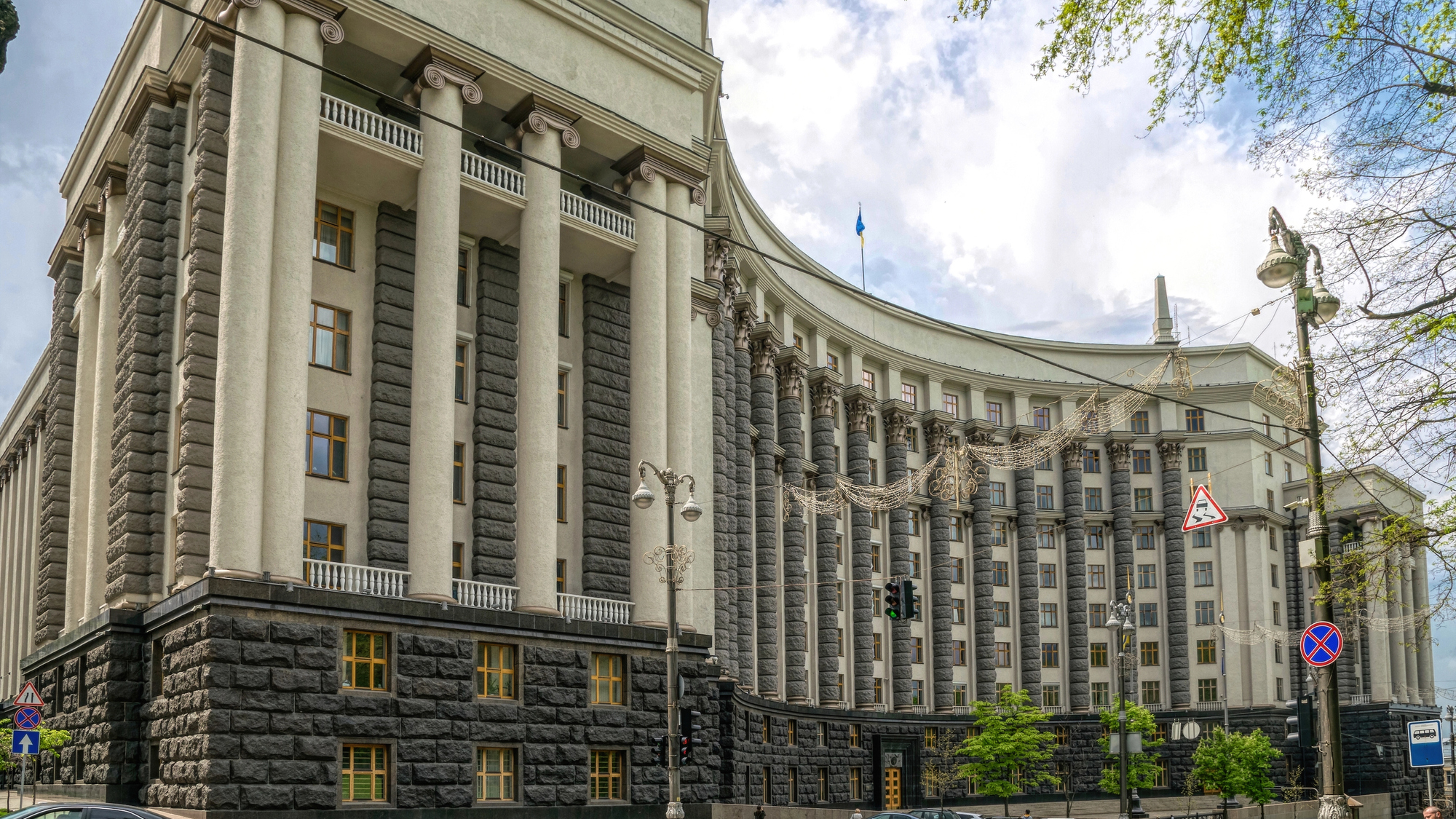
On May 11, a petition appeared on the Cabinet of Ministers website demanding the rejection of a "policy of mass attraction of foreigners." Within eight days, it gathered 25,000 signatures — enough for official consideration. The government responded: no such policy exists.
"The involvement of foreign labor in the Ukrainian labor market is considered solely as one of the additional tools to overcome staff shortages."
Response of the Cabinet of Ministers to the electronic petition
The problem is that the petition grew not from actual government policy, but from information noise. The Center for Strategic Communications and Information Security detected a surge in the topic "migrants will replace Ukrainians" on social networks between May 1-10 — precisely when the petition was filed. CSSIS experts classified this as an element of a Russian disinformation campaign.
What is actually happening in the labor market
The staff shortage is real, but the figures have nothing to do with "mass importation" of foreigners. According to the State Employment Service, 7,483 permits for migrant employment were issued in 2025 — half as many as before the full-scale invasion, when employers received about 21,000 permits per year. Only 6,272 foreigners actually remained to work in Ukraine — less than 1% of market needs.
According to the European Business Association, 74% of Ukrainian companies recorded a shortage of workers in 2025. The Minister of Economy estimates the overall gap at 4.5 million workers needed over the next 10 years to achieve 7% annual GDP growth.
In the first quarter of 2026, employers managed to fill only 41% of open vacancies. The most acute shortage is of construction workers, agricultural workers, logistics specialists, doctors, and teachers.
There is a reserve — but it is abroad or not in the right place
5.6 million Ukrainians are currently abroad, of whom 43% plan to return, according to a study by the Center for Economic Strategy. Business is already acting on its own: Metinvest launched the Steel Force program for students in Great Britain and Poland, KSE and small businesses are testing grants, housing support, and "soft landing" initiatives.
But there is a systemic trap: over 50% of internally displaced persons are willing to relocate for work, yet they are held back by the lack of affordable housing and mismatched qualifications with market needs. Vacancies and candidates do not align by profession, region, or conditions.
Hiring a foreign worker costs business at least 40,000 hryvnias per month — bureaucracy, permits, documentation. A local specialist is willing to work for 15,000. In other words, the employer pays three times more not because they want a migrant, but because there simply is no Ukrainian available.
What the government offers — and what it doesn't say
The Cabinet responded to the petition correctly: there is indeed no mass migration policy. But the question that the petition sidestepped — how exactly the government plans to return 5.6 million people without a clear mechanism for housing, retraining, and security guarantees — was not addressed in the response.
The Minister of Economy at the "labor Cabinet" assured that "youth programs are a much easier and faster resource than additional migration." But the programs are still being tested on a limited basis: individual companies, individual universities, individual cities.
If by the end of 2026 the government does not propose a systematic return mechanism — with housing, security guarantees, and recognition of foreign qualifications — the discussion about migrants will return. This time not as a disinformation campaign, but as a real managerial dilemma.







