What happened
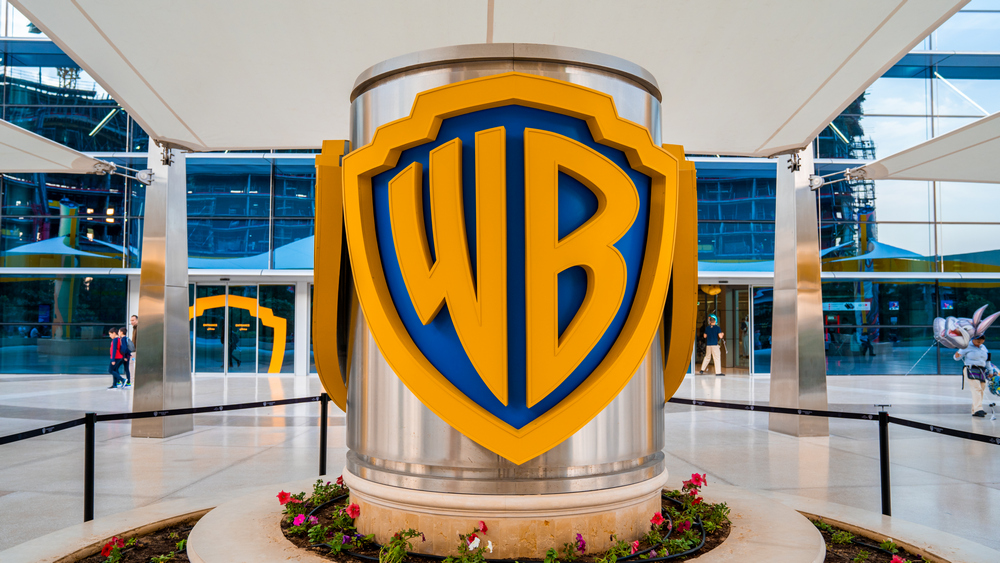
The board of directors of Warner Bros. Discovery again recommended that shareholders reject Paramount Skydance’s proposal to buy the company. In a public letter on WBD’s website the offer was called “inadequate” and less attractive than the deal with Netflix.
"Such an aggressive transaction structure creates materially higher risks for WBD and its shareholders compared with a traditional merger structure with Netflix"
— Board of Directors, Warner Bros. Discovery
Quick numbers and structure
Paramount Skydance has a market capitalization of around $14 billion, but would need to raise roughly $94.65 billion to close the deal — making the proposal potentially the largest leveraged buyout (LBO) in history. The board highlights Paramount’s "junk" credit rating and negative free cash flow, which increase the financial risks.
The proposal also entails significant costs for WBD — notably a possible $2.8 billion breakup fee to Netflix.
Context: the Netflix deal and the follow-up plan
As a reminder: on December 5 Netflix announced the purchase of Warner Bros. Discovery’s assets. The deal, roughly valued at $82.7 billion, contemplates transferring Warner Bros.’ film and television studios, as well as the HBO and HBO Max brands, to Netflix. Before closing, WBD must spin off its Global Networks division (cable television channels, including CNN, TNT Sports, Discovery) into a separate public company — Discovery Global — planned for the third quarter of 2026. If completed, WBD’s current CEO, David Zaslav, could become significantly wealthier.
Why this matters for Ukraine
Control over major studios and news networks is not just a question of profit. Whoever owns HBO, CNN and large catalogs of films and series has levers to shape global information narratives. For Ukraine this means two things: first, influence over international attention to issues important to our security; second, risks and opportunities to promote Ukrainian content and truthful stories about the war and reconstruction.
What’s next
Key barriers for Paramount are raising financing for a record LBO and lenders’ doubts due to the company’s current financial condition. Next steps include shareholder votes, regulatory review and potential negotiations to change terms. In the short term the most likely scenario is legal and financial battles that could stretch the process for months.
Conclusion
This is more than a corporate buy-sell story. It will decide who controls major media assets and, consequently, part of the global information space. For Ukraine it is important to watch not only the money and streaming algorithms, but how the balance of power in the media industry shifts — because that affects both the world’s attention to our struggle and the ability to counter disinformation.
The ball is now in the investors’, regulators’ and shareholders’ courts: whether declarations will turn into signed contracts is a question that will shape the information map of the world.







