In April 2026, consumer inflation in Ukraine reached 8.6% year-on-year — the highest level since November 2025. Month-on-month, prices rose by 1.4%, according to State Statistics Service data. These figures in themselves are not sensational. What is sensational is that, according to the National Bank's forecast, this is still not the ceiling.
What became more expensive and why
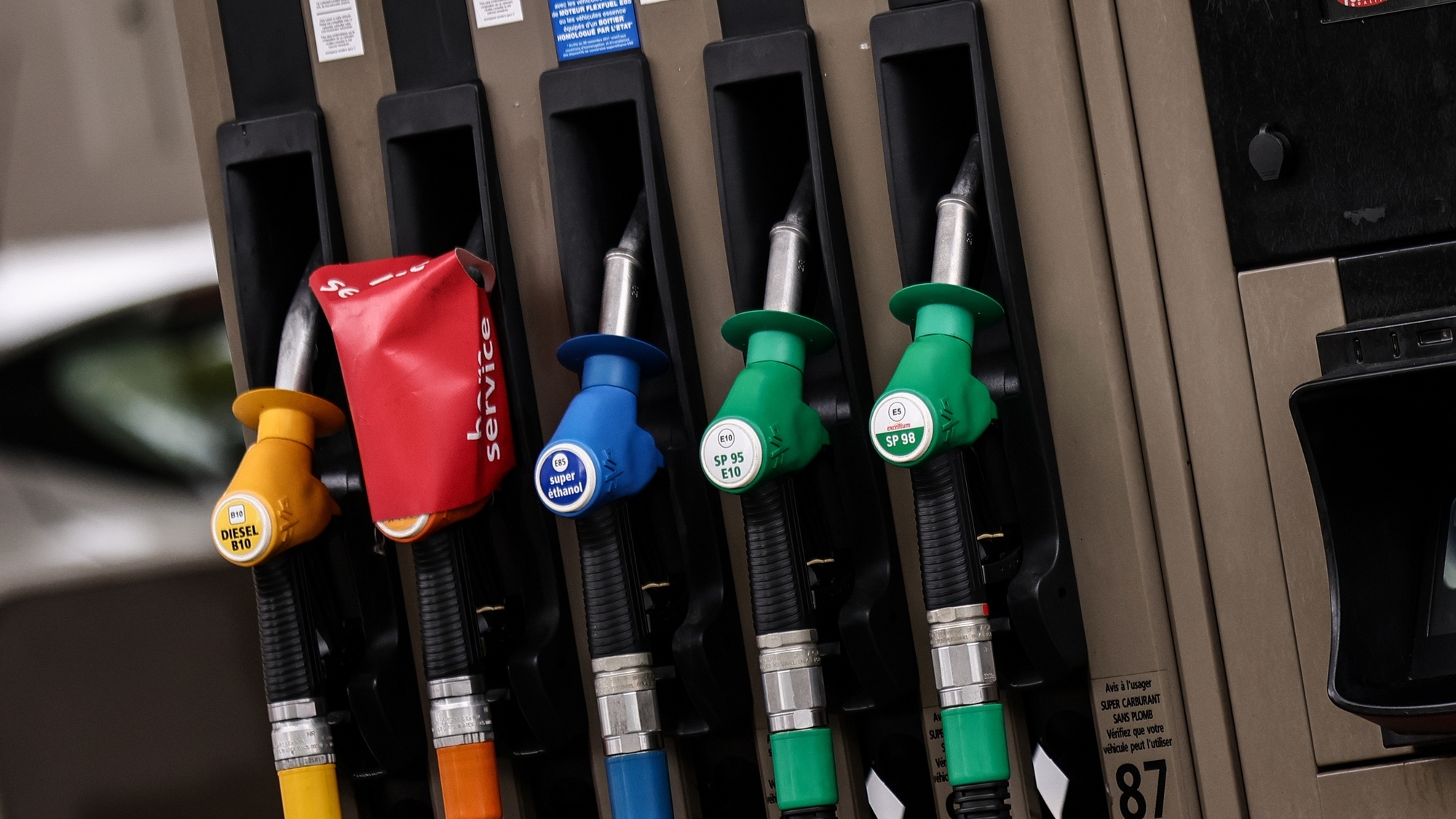
Two categories provided the most powerful push: fuel and lubricants — up 7.9% for the month, public transport fares — up 6.2%. Both indicators are directly related: as gasoline becomes more expensive, so does transportation, and everyone who commutes to work daily or transports goods feels this chain.
Core inflation — adjusted for seasonal and administrative fluctuations — was 0.8% for the month and 7.6% year-on-year. This is an important signal: price pressure has a structural rather than one-time character.
"Price pressure intensified due to the difficult energy situation following Russian strikes, a sharp increase in fuel prices against the backdrop of the Middle East conflict, effects from the weakening of the hryvnia in previous periods, and wage growth that is faster than expected"
NBU, decision on the key rate, April 30, 2026
NBU holds the rate but warns
On April 30, the National Bank kept the key rate at 15%, explaining this by the need to restrain inflation expectations and support the currency market. At the same time, the regulator directly admitted the possibility of raising the rate if inflationary pressure intensifies.
The NBU's forecast is bleak: inflation will accelerate in the second half of the year — to 9.4% by the end of 2026 — due to rising energy prices and expected adjustments to housing and communal services tariffs. The regulator postpones a return to the target 5% to as far as 2028.
Who will feel it most
- Car owners and logistics companies — fuel is becoming more expensive faster than overall inflation.
- Public transport passengers — carriers are passing fuel costs on to fares.
- Consumers of any goods — the logistics component in prices is growing across the entire supply chain.
Inflation had been slowing for half a year — from June 2025 to January 2026. Then it reversed course. According to NBU Governor Andriy Pyshnyi, the main reason is not a monetary error, but external shocks: attacks on energy infrastructure and the Middle Eastern oil market.
If the NBU does raise the rate in the second half of the year, it will make loans more expensive for businesses — and the question is whether the "inflation medicine" will hit economic growth, which the regulator is already forecasting at a modest 1.3% in 2026.