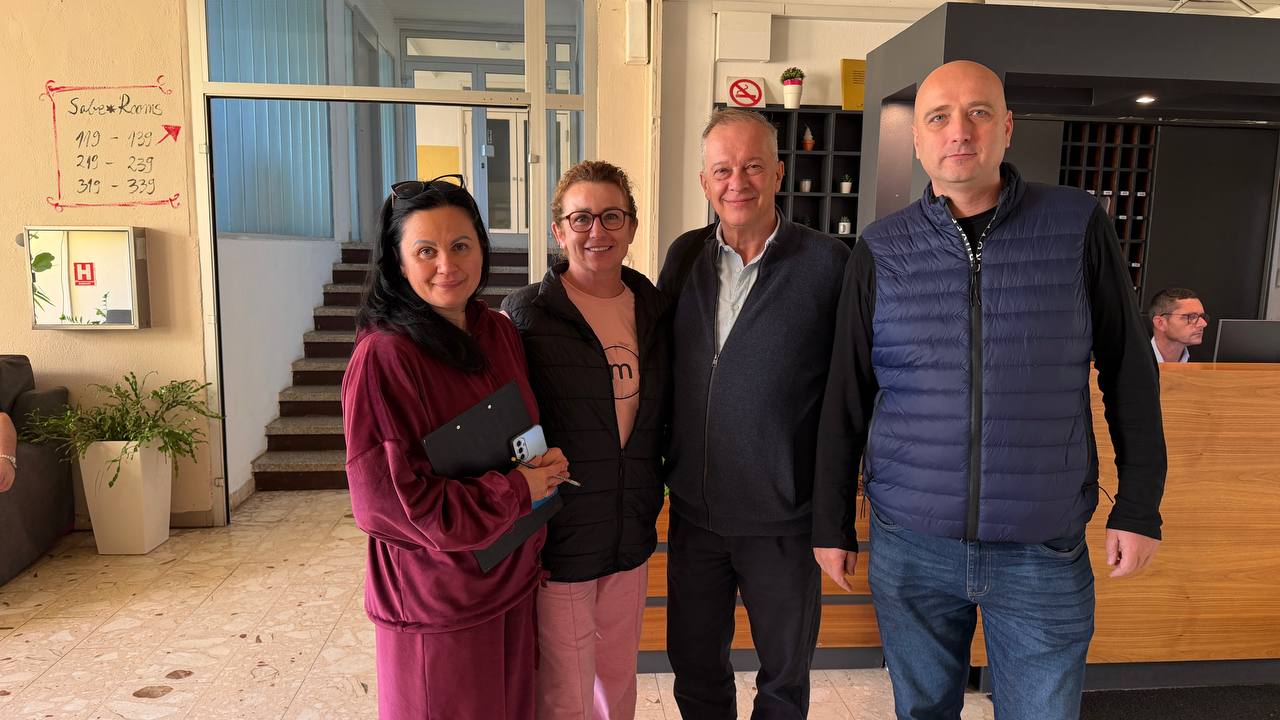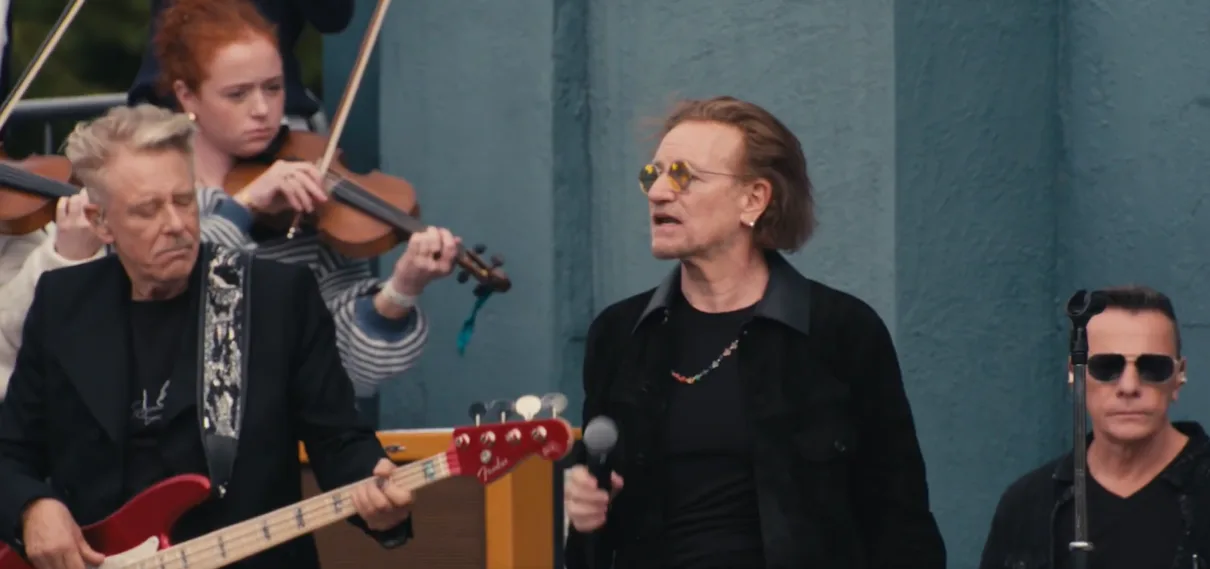
One of the world's most prestigious literary awards — the International Booker Prize — has officially changed its name. From now on, it will be known as the International Booker Prize named after Bukhman. The change came as a result of a decade-long partnership with the Bukhman family — founders of 1C Entertainment, one of the largest video game developers and distributors that originated in Russia.
The award organizers present this as recognition of sustained philanthropic support. Nikita Bukhman, a family representative, described literature in a comment as a "bridge between cultures." It sounds noble. But the context is different.
Who are the Bukhmans and what is 1C
1C is not just a gaming brand. For decades, the company was one of the key players in the Russian technology industry, with an extensive network throughout Eastern Europe. After Russia's full-scale invasion of Ukraine in 2022, the question of any major Russian business's connections to the state or Putin's regime became not academic, but practical.
The Booker Prize organizers have not publicly explained whether they conducted due diligence on the sponsor's capital sources in the context of war. The partnership continued — and continued publicly.
The problem is not money — it's the signal
Literary prizes exist not only as a mechanism for recognizing authors. They shape cultural canon and determine whose voices are considered important. When a sponsor's name becomes part of the prize's name — that is no longer philanthropy, that is branding. And branding works both ways.
Among the International Booker laureates are authors from Ukraine, Poland, and other countries directly experiencing the consequences of Russian aggression or living in its shadow. How are they supposed to perceive a prize bearing the name of a family with Russian business roots — without any public explanation of their position on the war?
What the prize says — and what it doesn't
Official communication surrounding the renaming focuses on "long-term support for literature" and "belief in the power of narrative." Not a word about how organizers reconcile this partnership with reputational risks in the current geopolitical context.
This doesn't necessarily mean ill intent. But the absence of explanation in a situation where explanation is clearly needed — is also a position.
If the Booker Prize truly believes in literature as a "bridge between cultures," it's worth asking: what kind of bridge is being built when one side of the bridge is a country waging war against its neighbor's culture, and the other side remains silent about it?