On May 14, the Supreme Anti-Corruption Court arrested Andriy Yermak, the former head of the Presidential Office, for 60 days. The alternative is a bail of 140 million hryvnias. In court, Yermak said he does not have such money, but he has friends. The first large contribution came quickly.
8 million from the state budget
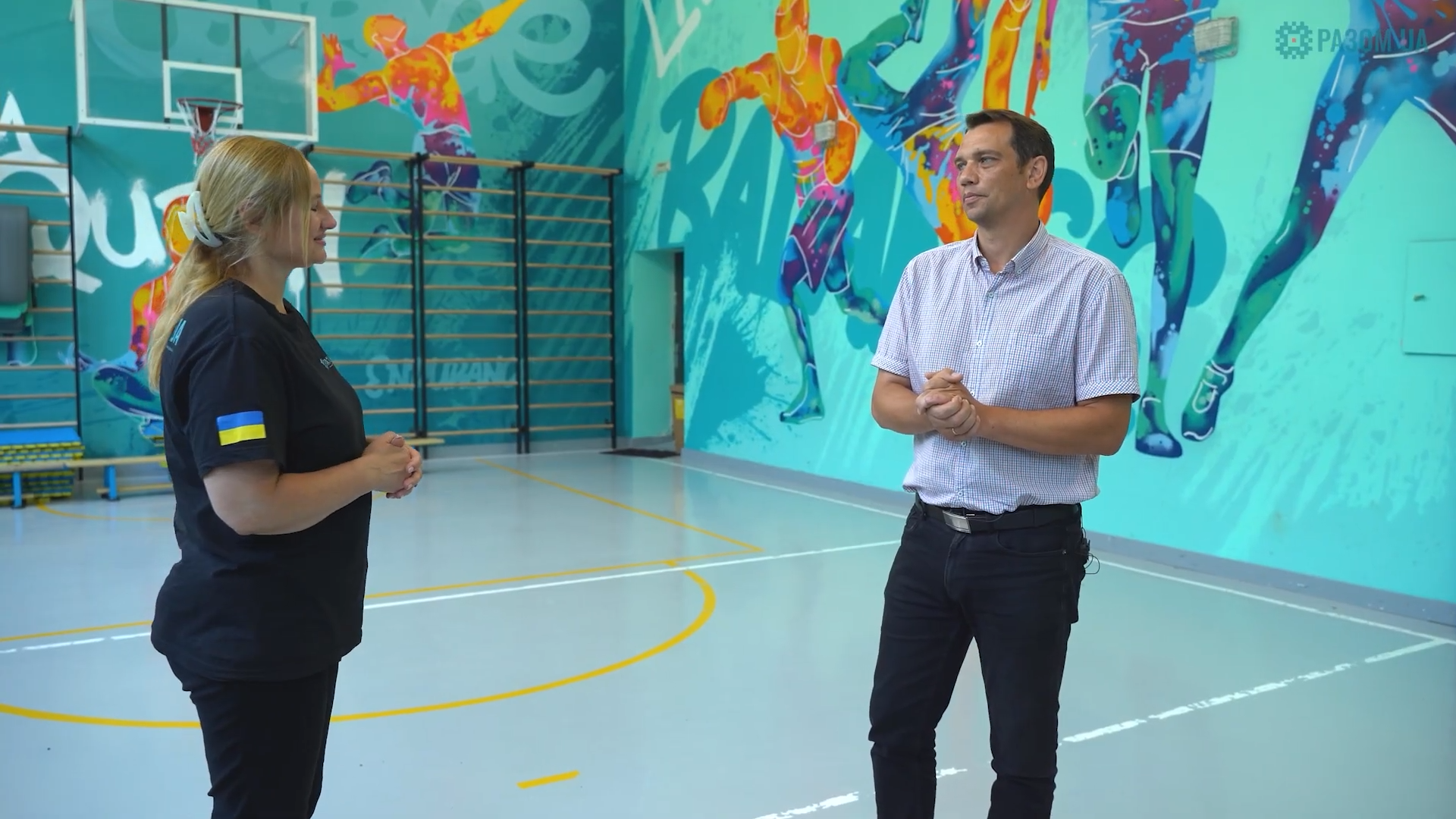
Roza Tapanova, acting director of the National Historical and Memorial Reserve "Babyn Yar," member of the supervisory boards of Oschadbank and Ukrnafta, announced that she would transfer 8 million hryvnias to a special escrow account to form bail.
"I consider this appropriate to ensure the constitutional right to defense and support the principle of presumption of innocence."
Roza Tapanova, Facebook
Tapanova also clarified that this amount is part of her official income declared for 2024. According to open declarations, last year she received over 14 million hryvnias from three state structures: from Oschadbank — 6.6 million hryvnias in fees plus over 750 thousand in bonuses, from Ukrnafta — 5.3 million in fees and 1.4 million in bonuses.
As of the evening of May 14, according to Schemes, approximately 15 million hryvnias was collected for Yermak in total — the rest came in smaller amounts, from 666 hryvnias to several thousand.
A career connected to one name
Tapanova's connection to Yermak is not news to anti-corruption journalists. According to Bihus.Info, she worked as a lawyer at the law firm "International Legal Company" — a firm founded by Yermak in the late 1990s. Later, they became partners in the same firm.
All three of Tapanova's state appointments came after Yermak became head of the Presidential Office: to the supervisory board of Ukrnafta — on behalf of the Ministry of Defense, to the supervisory board of Oschadbank — from the Cabinet of Ministers, to the Babyn Yar reserve — from the Ministry of Culture. MP Yaroslav Zalizniak commented on this without extra diplomacy: "A person who, thanks to Yermak, continues to receive a salary from the state in supervisory boards, decided to contribute part of this salary to Yermak's bail. A perfect example of corporate governance."
What Yermak is arrested for
On May 11, the National Anti-Corruption Bureau and the Specialized Anti-Corruption Prosecutor's Office notified Yermak of suspicion under Article 209 of the Criminal Code — legalization of property obtained through criminal means by an organized group in particularly large amounts. This concerns participation in a scheme to launder 460 million hryvnias, which financed the construction of an elite cottage village "Dinastiya" in Kozyn near Kyiv.
According to the investigation, 72% of the funds came from the so-called "barrier" scheme at Energoatom through the structures of entrepreneur Mindich. A residence that the investigation links to Yermak was allocated a total of $1.9 million. The evidence base includes Yermak's correspondence with project participants, where, in particular, the design of premises was agreed upon.
Yermak himself called the suspicion groundless and linked it to "public pressure on law enforcement."
What this bail means in practice
The collected ~15 million hryvnias are still far from the threshold of 140 million. Legally, bail is not a payment but a guarantee of appearance in court: if the suspect violates the conditions, the funds are forfeited to the budget; if he complies, they are returned to those who posted bail. So Tapanova risks 8 million hryvnias only in the event of Yermak's flight.
But the issue is not only legal. Members of supervisory boards of state banks and oil companies are appointed as independent overseers — people without conflicts of interest. Public posting of bail for a suspect to whom these positions are owed raises questions about the very logic of such appointments.
If the Cabinet of Ministers and the Ministry of Defense, which nominated Tapanova, do not initiate a review of her status, it will mean that the mechanism of supervisory board independence is merely decorative, even after the case that became the loudest anti-corruption arrest in the years of war.