On March 5, a few kilometers from Budapest, Hungarian law enforcement stopped two Oschadbank minibuses. Inside were $40 million, €35 million, and 9 kilograms of gold in transit from Austria's Raiffeisen Bank. Seven Ukrainian security escorts were detained. Their whereabouts were unknown to the National Bank of Ukraine for several hours.
A verdict before charges appeared
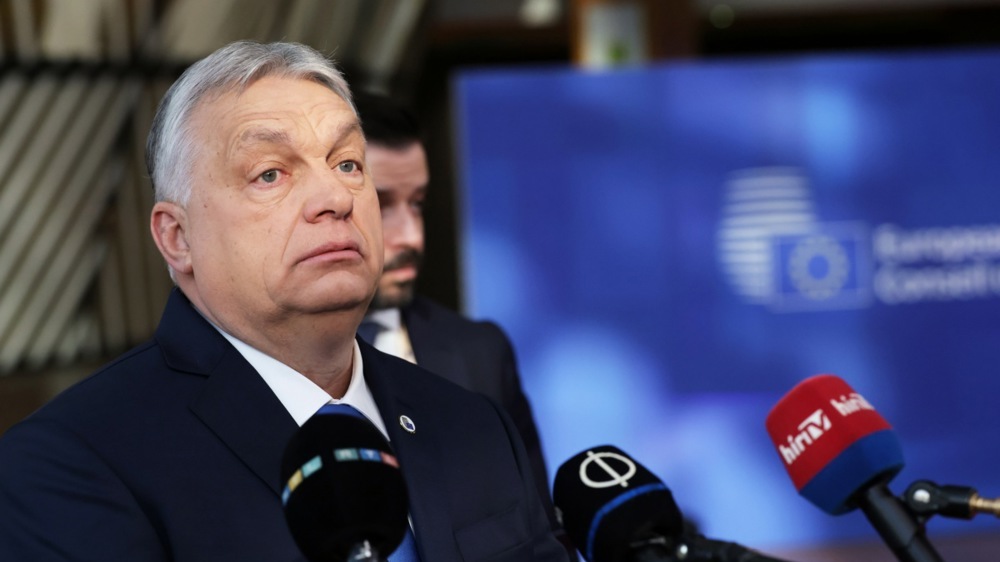
According to an investigation by Hungarian publication Telex, which relied on several independent sources, the decision to conduct the raid was made personally by then-Prime Minister Viktor Orbán. The formal pretext was a complaint from Hungary's Constitutional Protection Office citing intelligence data — suspicion of money laundering. However, Austria's National Bank publicly stated it did not understand the basis for such accusations: international cash transportation is standard banking practice. Austrian authorities also found no violations.
A telling detail: that same morning on March 5 — before news of the raid reached the press — Orbán made a public statement.
"We will win, and we will win by force — we will force the Ukrainians to restore oil supplies."
Viktor Orbán, March 5, 2025
According to Telex, the actual motive for the operation was stopping the transit of oil through Druzhba. Orbán, convinced that Kyiv was intentionally blocking the pipeline, decided to create leverage — and chose the security escort convoy for this purpose.
How the case fell apart after the elections
The Hungarian parliament quickly passed a law on asset seizure. Kyiv called Budapest's actions theft. But the most interesting development came later.
After Orbán's party's defeat in April elections, prosecutors for the first time gained access to the "classified materials" of the case. The conclusion was unambiguous: the Constitutional Protection Office provided no evidence that the security escorts posed a threat to national security. According to the new prime minister, Péter Magyari, Orbán "manually controlled the work of law enforcement and secret service agencies."
- March 12: Hungary returned the security escort vehicles
- May 6: Oschadbank received the full amount back — money and gold
- May 18: Hungary cancelled the deportation and three-year Schengen zone entry ban for the seven security escorts — without waiting for the court to conclude
- The new prosecutor's office opened proceedings — based on the illegal detention of Ukrainians
Telex sources told journalists they "regularly accused each other, trying to minimize their own responsibility" — but all agreed on one thing: the operation was political, not legal.
The oil pipeline as a pretext, elections as context
Druzhba stopped for Hungary not because of Kyiv's decision, but because of technical and sanctions restrictions on Lukoil — the company whose oil traveled this route. Ukraine blocked transit in August 2024 after Lukoil came under Ukrainian sanctions. Orbán insisted on resumption — Kyiv refused, citing its own legislation.
Meanwhile, April elections in Hungary were approaching. Telex notes: government communications actively used the "golden convoy" as an election message — Orbán as a defender of Hungarian interests against "corrupt" Ukraine.
If Hungary's new prosecutor's office proves the illegal detention case to a verdict, it will set a precedent: an EU prime minister personally responsible for an operation against an allied state without legal grounds. The question is whether Magyari will have the political will to see the case through to the end — or whether a compromise with Brussels will prove more important than a verdict.