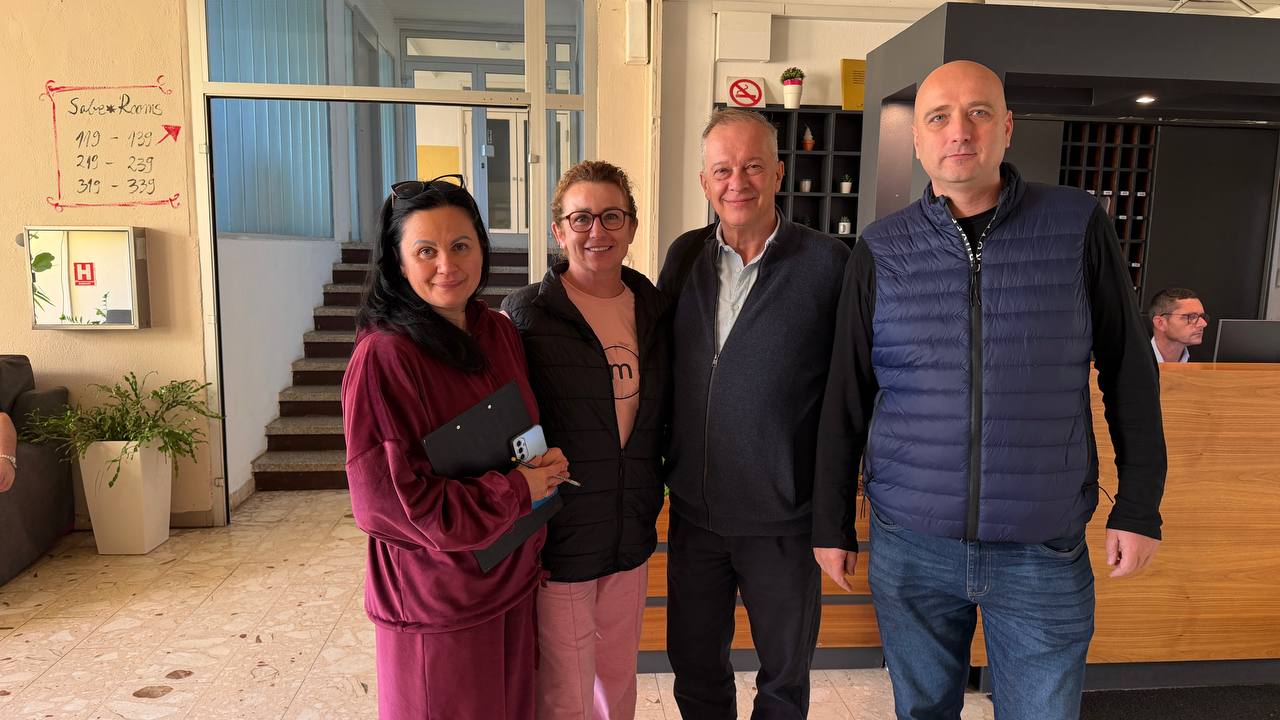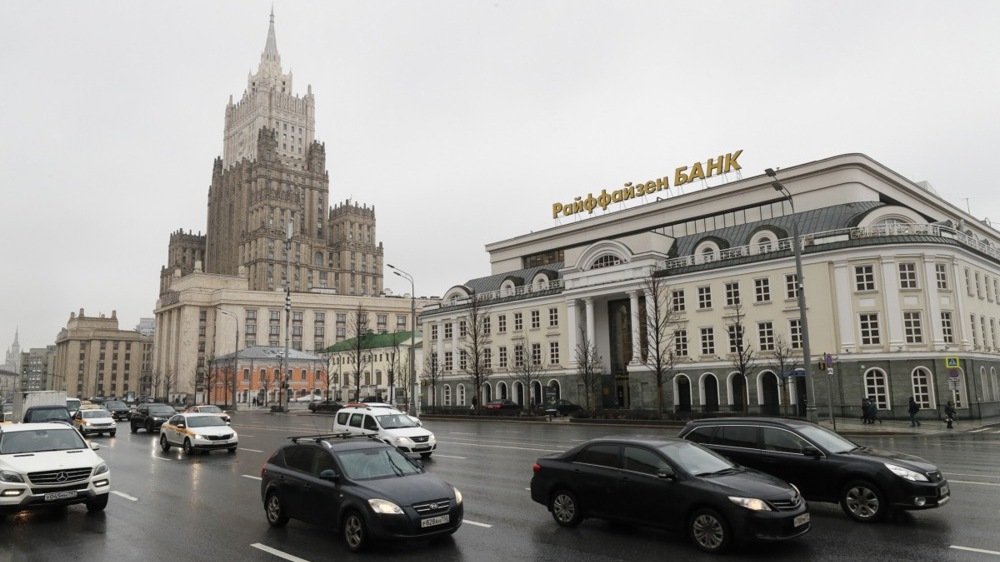
Natalia Hurina took over Raiffeisen Bank in Ukraine on January 1, 2026 — after more than 30 years in the structure that began as "Aval". She speaks frankly about the parent group RBI's presence in Russia: "My attitude is categorically negative, because I am living through the war with my family". Yet at the same time, she acknowledges that she doesn't see a way to accelerate the exit.
Three years of announcements — zero completed deals
RBI first announced a "carefully planned exit" from Russia after the full-scale invasion in 2022. Since then, deadlines have been postponed at least twice. In autumn 2025, Reuters reported that the bank had found a local buyer for its Russian subsidiary — but the Kremlin itself blocked the deal. According to the agency's sources, Moscow fears that transferring assets to a local investor would trigger secondary sanctions against RBI — which would destroy the only convenient financial channel between Russia and the West.
In parallel, the bank is performing a function that it prefers not to discuss openly: Raiffeisen processes payments for gas supplies via TurkStream — the only remaining route for Russian gas to the EU. From January to August 2025, approximately 11.5 billion cubic meters of gas passed through it to Bulgaria, Hungary, Slovakia and other EU member states.
Winning on the exit — almost impossible
Selling a Russian asset is not simply a matter of finding a buyer. The deal requires simultaneous approval from the U.S. Treasury, the European Central Bank, the Austrian regulator, a special Russian government commission on foreign investment control, the Kremlin, the Federal Antimonopoly Service, and the Central Bank of Russia. And since 2024, a foreign seller is required to make a "voluntary" contribution of 35% of the asset value to the Russian federal budget plus sell at a discount of no less than 60% of market price.
"It's not just putting down the keys and walking away"
Natalia Hurina, CEO of Raiffeisen Bank, podcast "Vyscha Liha"
Under such conditions, an exit effectively means writing off most of the asset. Meanwhile, in the second quarter of 2025, the Bank of Russia forcibly wrote off approximately 2.1 billion euros from Raiffeisenbank accounts to cover court claims — and RBI recorded a quarterly loss of 557 million euros. However, by the third quarter, the Russian subsidiary brought the group 319 million euros in net profit — this is 38% of RBI's entire quarterly result.
Why this is not just an Austrian problem
The Austrian financial regulator confirmed in August 2025: there will be no coercive measures against RBI for possible violations of sanctions regime. Ukraine's NAPC twice included the parent group in the list of war sponsors — and twice temporarily removed it under pressure. Raiffeisen remains the largest Western bank in Russia and the fourth-largest bank by assets in Ukraine simultaneously.
- The sale deal was blocked not only by bureaucracy — it was blocked by the Kremlin, because RBI is beneficial as a payment channel
- An exit costs the seller 60–95% of the asset value due to Russian "exit fees"
- The Austrian regulator chose inaction despite pressure from the EU and USA
- The Russian subsidiary still generates nearly 40% of the entire group's quarterly profit
Hurina leads a Ukrainian bank that is legally separate from RBI in Russia. But the reputational link has not gone away — and it is she who will have to answer uncomfortable questions from clients, regulators and partners. If RBI does not complete the sale by the time the EU closes TurkStream or imposes secondary sanctions against the bank itself — will the Ukrainian subsidiary be able to maintain operational independence from the parent crisis?