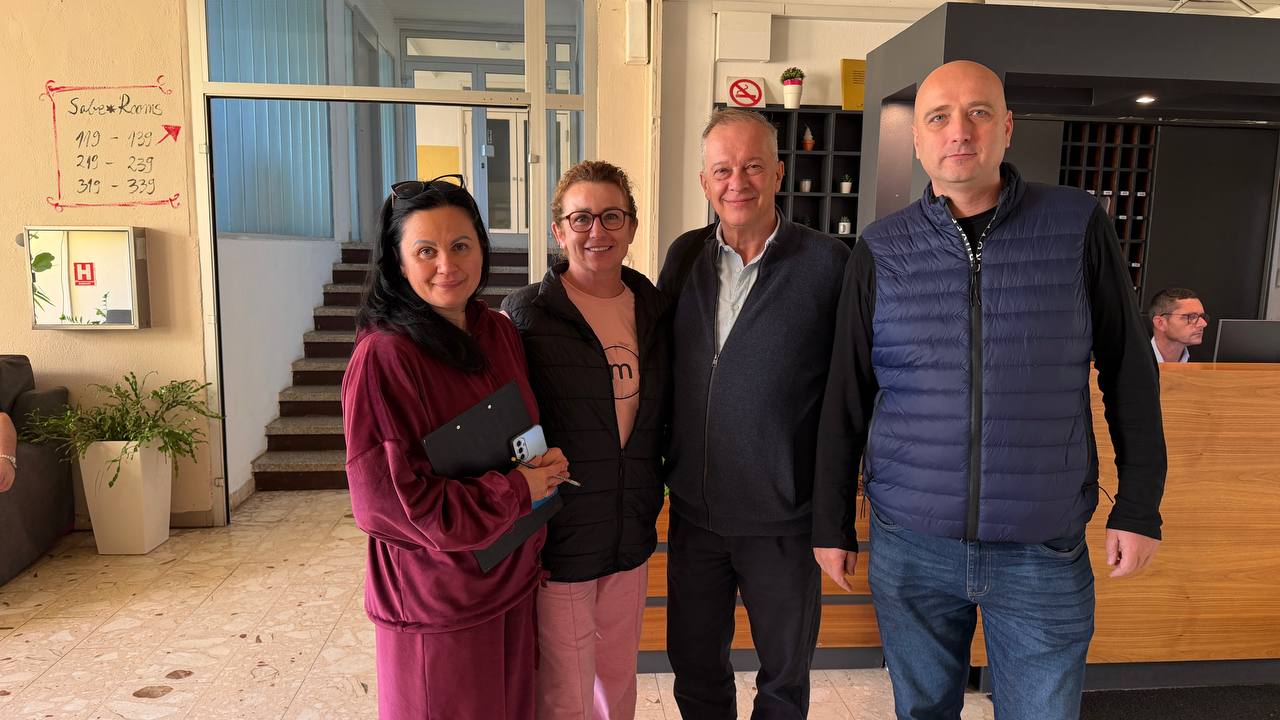
On May 18, the General Directorate of the Hungarian Police for Alien Affairs cancelled the deportation decision and three-year ban on stay in the Schengen area for all seven Oschadbank employees. The Hungarian side also ordered the immediate removal of the relevant records from state registers.
What happened in March
On March 5, Hungarian special services stopped two Oschadbank armored vehicles in Budapest that were transporting cash and gold from Austrian Raiffeisen Bank to Ukraine — $40 million, €35 million and nine kilograms of gold. Seven security guards were detained, deported the next day, and banned from entering the Schengen area for three years.
Budapest's official versions kept changing: first — suspicion of money laundering, then — "possible connection with Ukrainian war mafia." The Hungarian side even released a video as evidence. Oschadbank established that Hungarian subtitles were added to the 2025 recording, where a security guard's words "it can be seen what you are doing" were transformed into "corrupt money can be seen."
"The complete cancellation of decisions regarding our employees is confirmation of Oschadbank's righteousness. We protected not only the rights of our people, but also the reputation of a state financial institution that operates exclusively within international law."
Yuriy Katsion, Chairman of Oschadbank Board
How the crisis was resolved
Two events unfolded in parallel. Oschadbank filed criminal and civil lawsuits in Hungarian courts. And parliamentary elections took place in Hungary: Peter Madar's "Tisa" party received over 53% of votes and formed a new government instead of Orban.
- May 6 — Zelenskyy announced the complete return of cash and gold to Ukrainian territory.
- May 18 — the Hungarian constitutional protection body officially withdrew conclusions about "threat to national security" from Ukrainian citizens. This was sufficient for the cancellation of all restrictions.
A key point: Budapest did not wait for the court proceedings to conclude. The Hungarian side retreated on its own — before the verdict.
Compensation remains open
Andriy Pyshny, Chairman of the National Bank of Ukraine, welcomed the return of assets but emphasized: the actions of the Hungarian side were unlawful, so Ukraine would demand compensation. Oschadbank itself still has active lawsuits in Hungarian courts.
Hungary returned the people, the money, and now — clean registry records. But there is still no official answer to the question of who authorized the video falsification and who signed the conclusions about "threat to national security." If Madar's new government opens an internal investigation into the actions of special services during the Orban era — this will be a test of whether a change of power in Hungary means a change of rules of the game for Ukraine.