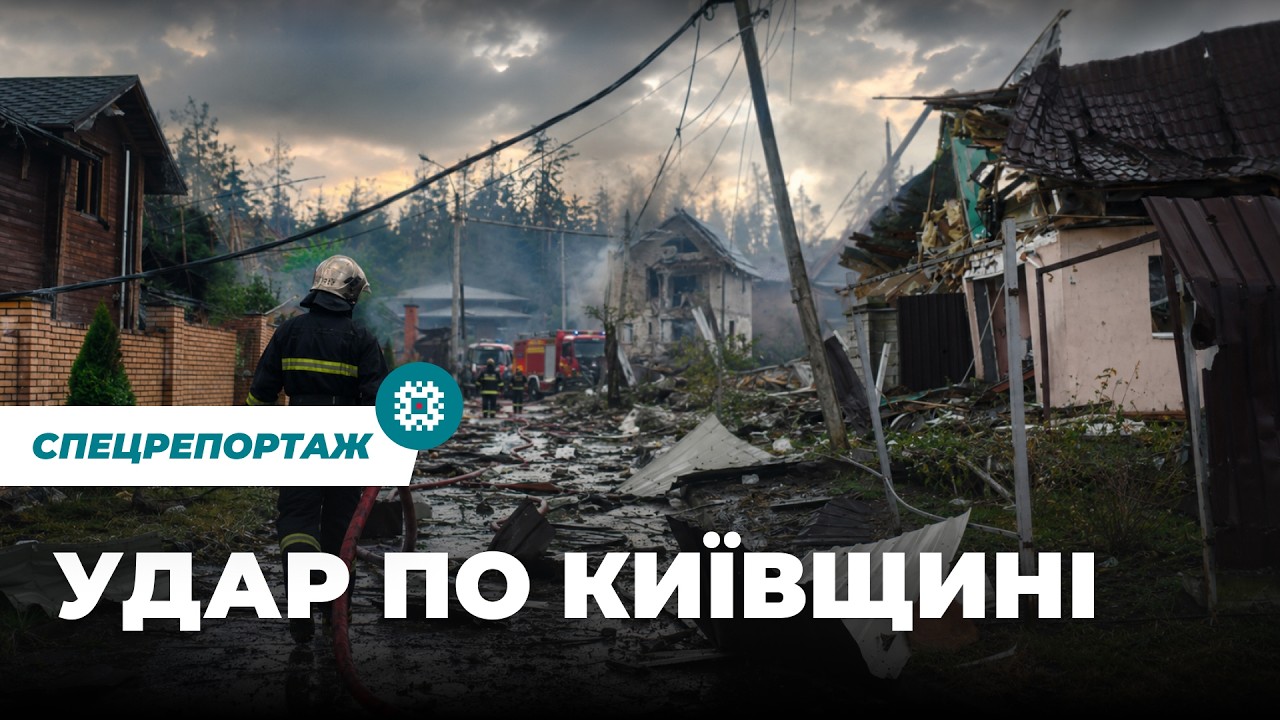
A plant in Kharkiv that produced artillery shells has stopped after another strike. To restore production, investments, equipment and guarantees are needed — not just promises. It is precisely for such cases that the €260 million the European Commission included in the new defence programme specifically for Ukraine is intended.
This week the European Commission approved a work programme worth €1.5 billion under the European Defence Industrial Programme — EDIP. According to representatives of the EU executive body, the programme is designed to address "urgent problems in European defence and security" by increasing industrial capacity and deepening cooperation with Ukraine.
More than €700 million will be directed to increasing production of key components — counter-UAS systems, missiles and ammunition. A separate Ukraine Support Instrument (USI) within EDIP received €260 million. These funds are intended to help Ukrainian enterprises not simply buy ready-made weapons in Europe, but to restore and expand their own defence-industrial complex.
The logic of the programme differs from previous aid mechanisms. Previously the EU mostly reimbursed member states for equipment transferred to Ukraine. EDIP, by contrast, invests directly in production — and envisages locating part of that production in Ukraine itself or in joint projects with Ukrainian companies.
A separate pool of funding is also provided for small and medium-sized businesses and defence startups — so that new developments in drones, electronic warfare and secure communications reach the front faster, bypassing the bureaucratic cycles of large contracts.
However, the approval of the work programme is not the same as a payment. Between the European Commission's decision and an actual transfer into a Ukrainian company's account stand competitive procedures, eligibility criteria and control mechanisms that have not yet been finally defined for Ukrainian participants. EDIP is generally planned as a transitional programme until 2027, when a full-fledged next-generation European Defence Fund is expected to become operational.
The question is not whether Ukraine will get the €260 million — it will. The question is whether Ukrainian enterprises will be able to realistically compete for the funds on an equal footing with European players, if the programme's access rules were written primarily for companies from EU countries.