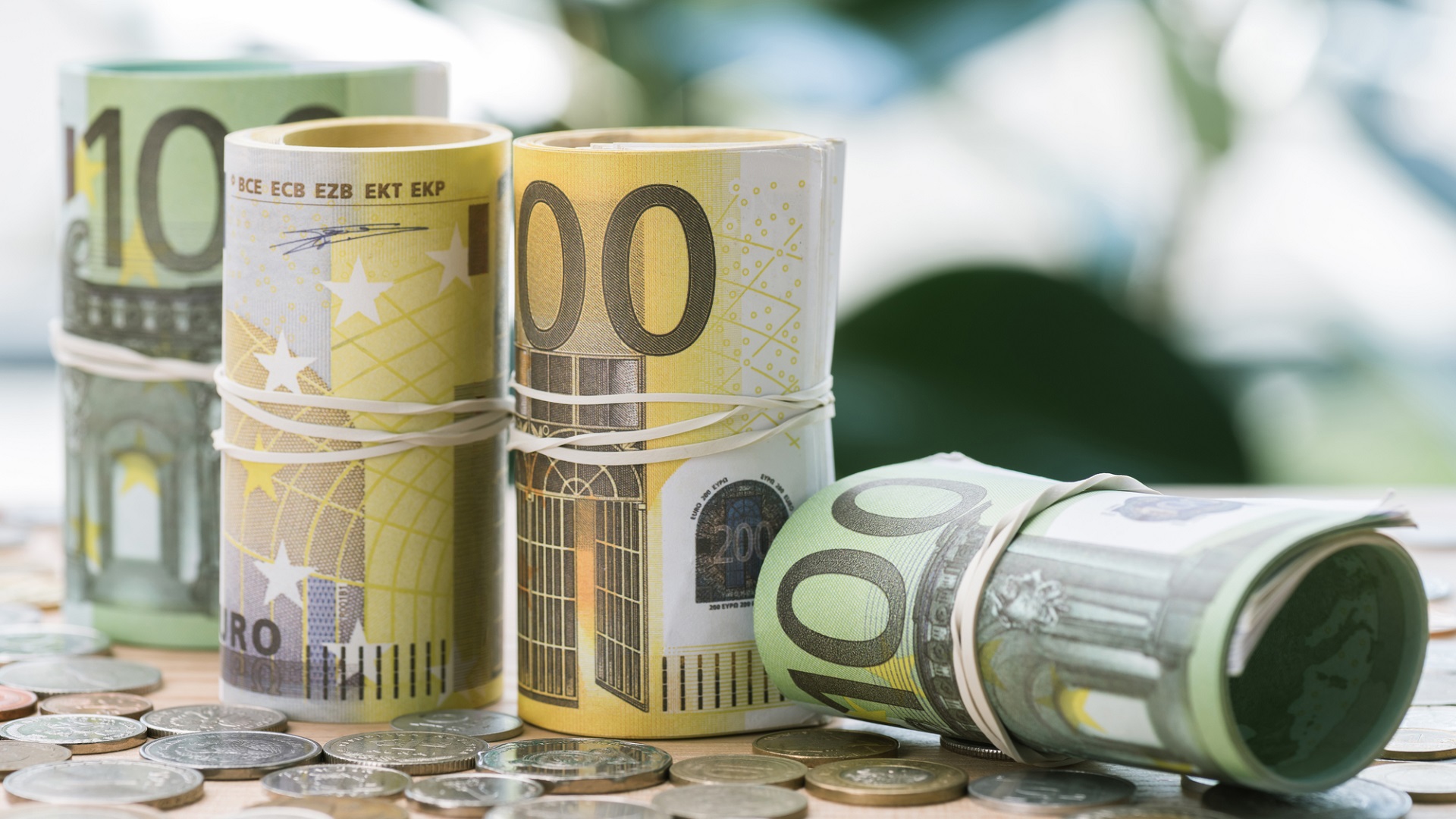
The official exchange rate of the hryvnia to the euro has broken the 52 UAH/€ mark for the first time in history. This is not a technical anomaly — it is a new record for the devaluation of the national currency relative to the European one.
To understand the scale: at the beginning of the full-scale invasion in February 2022, the euro was worth approximately 32–33 hryvnias. Over three years, the hryvnia has lost more than 55% of its value against the euro.
Why now
The hryvnia is pegged to the dollar within the NBU's managed exchange rate framework, so its dynamics against the euro largely reflect the movement of the EUR/USD pair on global markets. The euro has been strengthening against the dollar in recent weeks amid expectations of a slowdown in the US economy and changes in the Federal Reserve's rhetoric — and this automatically puts pressure on the hryvnia equivalent.
However, there is also an internal factor: the National Bank is gradually expanding the corridor of permissible exchange rate fluctuations, attempting to balance foreign exchange reserves and demand for foreign currency within the country. Imports — primarily energy and military equipment — will put pressure on the exchange rate regardless of global market conditions.
What does this mean for people
For those who receive salaries in hryvnias and buy imported goods or pay for education or medical treatment in Europe, this means direct price increases. For Ukrainians abroad who send money home from euros, it is conversely a relative improvement.
Businesses working with European partners and issuing invoices in euros receive more hryvnias for the same amount — but at the same time pay more for components and raw materials from the EU.
What to expect
The NBU has not yet signaled an intention to sharply adjust its dollar peg. Reserves remain at an acceptable level — according to the latest regulator data, over $43 billion. This provides a certain buffer.
However, if EUR/USD continues to grow and domestic demand for foreign currency does not decline, the 53–54 UAH per euro mark becomes a quite realistic scenario by the end of the year.
The key question here is not the round number of the record, but the structural one: is the Ukrainian economy capable of increasing foreign exchange inflows — through exports, partner assistance, reconstruction — quickly enough to compensate for the pressure on the hryvnia? The answer to this question depends not only on the NBU.