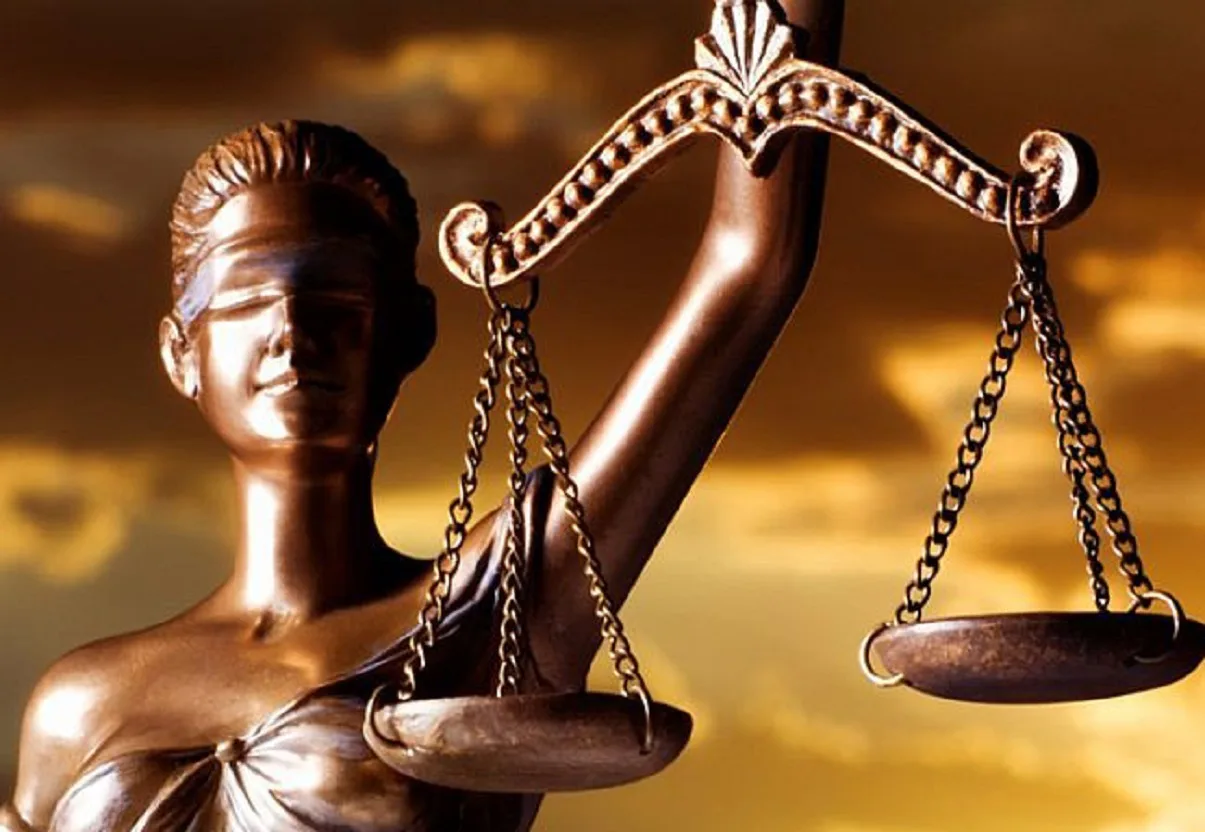
July 17 is a date with an internal conflict. On the very same day considered a celebration of international criminal justice, a passenger Boeing 777 was shot down over the Donbas in 2014. A symbolic and uncomfortable coincidence.
The Court That Didn't Exist for 27 Years
On July 17, 1998, 120 states signed a treaty in Rome that launched the creation of the International Criminal Court. Work on it had been ongoing since 1948 — from the moment when the UN General Assembly approved the Genocide Convention and proposed considering the idea of an international tribunal. Exactly fifty years had passed.
The ICC is the only permanent international institution for criminal prosecution of genocide, war crimes, crimes against humanity, and the crime of aggression. For Ukraine, this is not an abstraction: the court issued an arrest warrant for Putin for the deportation of Ukrainian children, and Ukraine itself recognized the jurisdiction of the ICC through two statements of the Verkhovna Rada — regarding the Maidan in 2014 and regarding Crimea and the Donbas in 2015, without formally ratifying the Rome Statute.
MH17: Verdict Exists, Enforcement Does Not
"Our investigations confirm: the aircraft was shot down by a Buk that came from the Russian Federation"
Joint Investigation Team (JIT)
On July 17, 2014, the Russian Buk air defense missile system No. 332 shot down Malaysia Airlines flight MH17 over the occupied part of Donetsk region. There were 298 people on board — including 80 children, most of whom were Dutch citizens. On November 17, 2022, a court in The Hague sentenced three of four defendants in absentia to life imprisonment and confirmed: the missile was Russian, and the territory was controlled by the Russian Federation.
Russia refused to participate in the proceedings and does not extradite the convicted. In June 2024, the Russian Foreign Ministry announced its withdrawal from consideration of Australia's and the Netherlands' complaint to ICAO. The verdict exists. Enforcement remains an open question.
Emoji Day: Marketing with Serious Subtext
World Emoji Day was founded in 2014 by Jeremy Burge — the same year as MH17. The date of July 17 was chosen deliberately: this is the date shown on the calendar icon in Apple's iOS. The emoji calendar displayed July 17 before the holiday itself was created — so the date essentially "existed" long before gaining official status.
Ethnographer's Day: Science That Becomes a Weapon of Preservation
In Ukraine, July 17 is an unofficial professional holiday for ethnographers. It was established in the 1970s by Soviet ethnographer Rudolf Ites, choosing the birth date of Nikolai Miklukho-Maclay — July 17, 1846. A coincidence that adds another dimension to the holiday: on the same day in 1871, Filaret Kolessa was born — an ethnographer, folklorist, and one of the founders of Ukrainian ethnographic musicology.
In the context of war, the work of ethnographers takes on different weight: documenting rituals, dialects, and material culture becomes documentation of what Russia systematically destroys in occupied territories. This is no longer just science — it is court evidence of cultural identity.
If the ICC gains a real mechanism for enforcing verdicts — not merely issuing them — will it change the logic of states that continue to supply Russia with components for "Buks"?







