On the night of July 2, Russia launched 74 missiles and 496 unmanned aerial vehicles against Ukraine. Air defense forces neutralized 48 missiles and 476 drones — but 25 ballistic missiles and 12 UAVs reached their targets. As a result of the attack in Kyiv, at least 10 people were killed, and over 50 were injured.
What was launched and from where
Among the 74 missiles were 33 ballistic "Iskander-M" systems, 8 hypersonic "Zircon" missiles, cruise "Kalibr" and Kh-101 missiles. According to Yuri Ihnat, head of the Air Force Communications Directorate, the strike resembled the attack on May 24: "In fact, we have about 700 weapons systems. The peculiarity of the strike is ballistic missiles. A lot of ballistics."
"Zircons" were launched in two waves — from Bryansk and Kursk regions, including from mobile coastal "Bastion" complexes. Previously, Russia used these missiles primarily from Crimea; now the geography of launches has expanded.
Where it hit in Kyiv
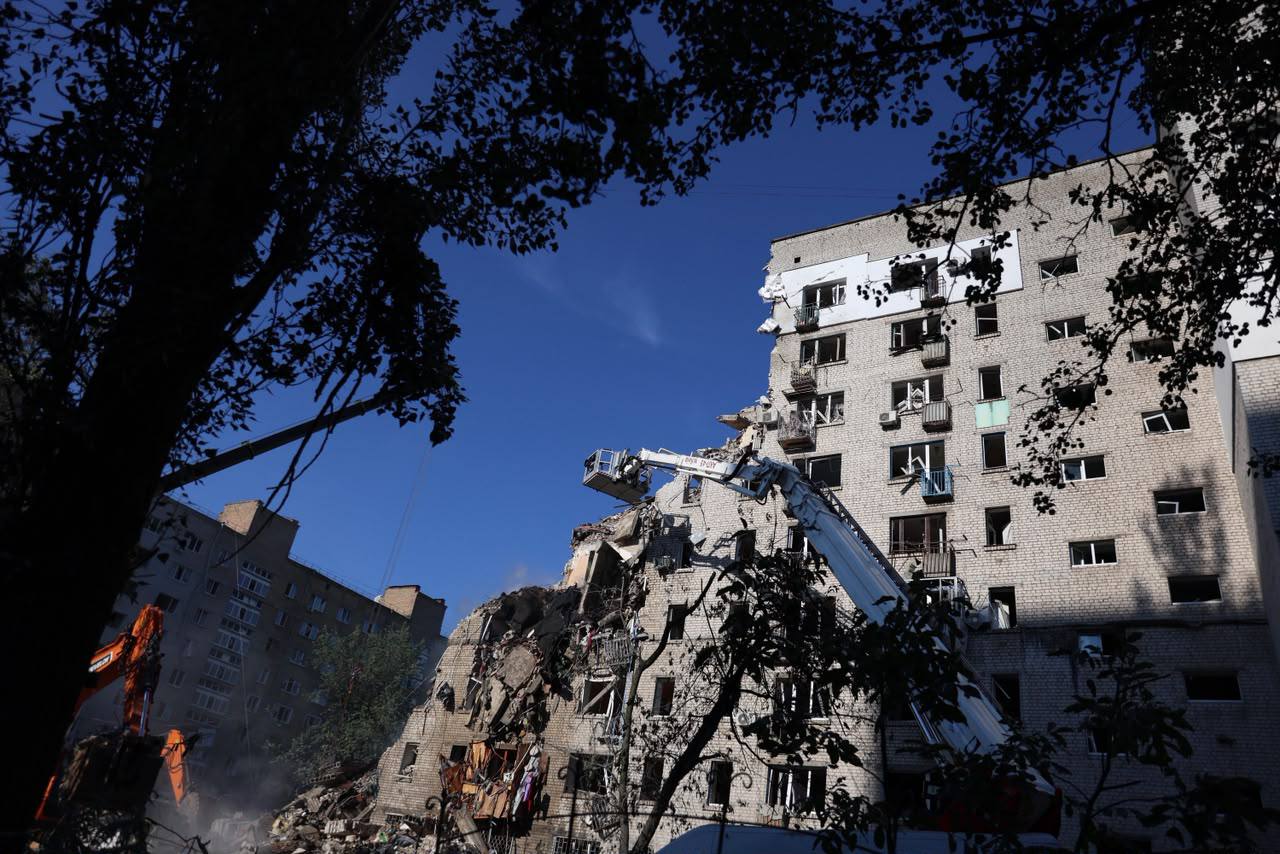
Damage and destruction were recorded in five districts of the capital — over 30 locations. The Darnytskyi District suffered the most: 5- and 9-story residential buildings were partially destroyed, the upper floors of a 16-story building were damaged. In Shevchenkivskyi, a fire broke out on the roof of a 7-story building and a hotel. In Desnyanskyi — partial destruction of a residential building, rescuers freed people. Damage was also recorded in Holosiyivskyi, Obolons'kyi, Sviatoshynskyi, and Pechersk districts.
Why ballistic missiles get through
Of 34 missiles traveling on ballistic trajectories, only 15 were shot down. According to Ihnat, this is "quite a high result for this type of attack" — but the figure reflects not the skill of air defense, but the arithmetic of deficit.
"Patriot systems, capable of intercepting ballistic missiles, are effectively on short rations."
Yuri Ihnat, Colonel, Head of the Air Force Communications Directorate of the Armed Forces of Ukraine
Patriot remains the only system in Ukraine capable of effectively intercepting ballistic missiles. But the number of complexes is limited, and supplies of interceptor missiles are running out faster than they are replenished. Ihnat noted a direct connection: "If there are missiles for Patriot — a missile can be intercepted in one region or another." If not — no.
Russia, according to the Air Force assessment, understands this: the increase in the share of "Zircons" and "Iskanders" in combined attacks is not coincidental but a tactic to exhaust interceptor supplies. In parallel, the adversary uses drone imitators "Parody" and "Gerber" with Luneburg lenses to overload radars and force air defense to waste resources on false targets.
Context: not the first and not an exception
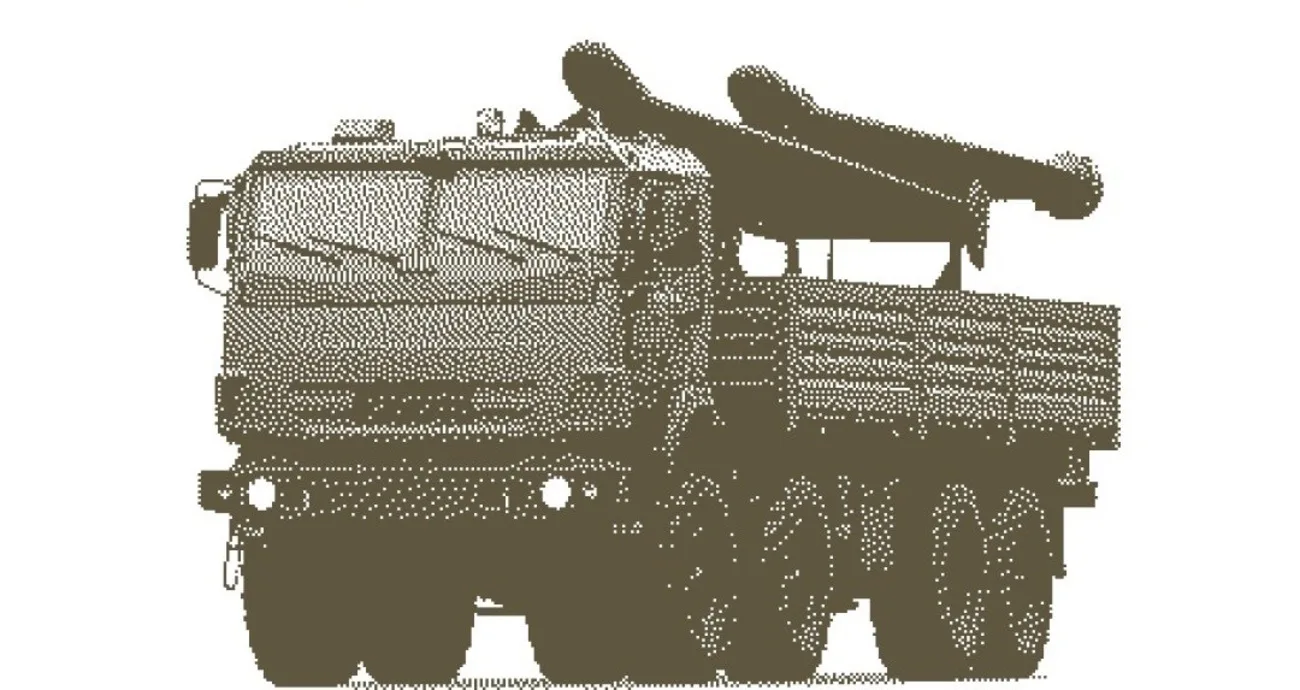
The July 2 attack is part of a series of massive strikes that Russia has been delivering with increasing intensity since spring 2025. In May, Moscow first used the loitering munition "Banderol" (S8000) — a hybrid of a missile and UAV, capable of changing trajectory and complicating air defense guidance.
- 74 missiles + 496 UAVs = 570 air attack weapons in one night
- 25 ballistic missiles reached targets out of 34 launched on ballistic trajectories
- 10 killed, over 50 wounded in Kyiv
- Over 30 locations damaged across all districts of the capital
If allies do not accelerate deliveries of interceptor missiles for Patriot and do not provide additional complexes by autumn — the next massive strike relying on ballistics will give Russia an even higher percentage of hits than the 74% recorded on the night of July 2.