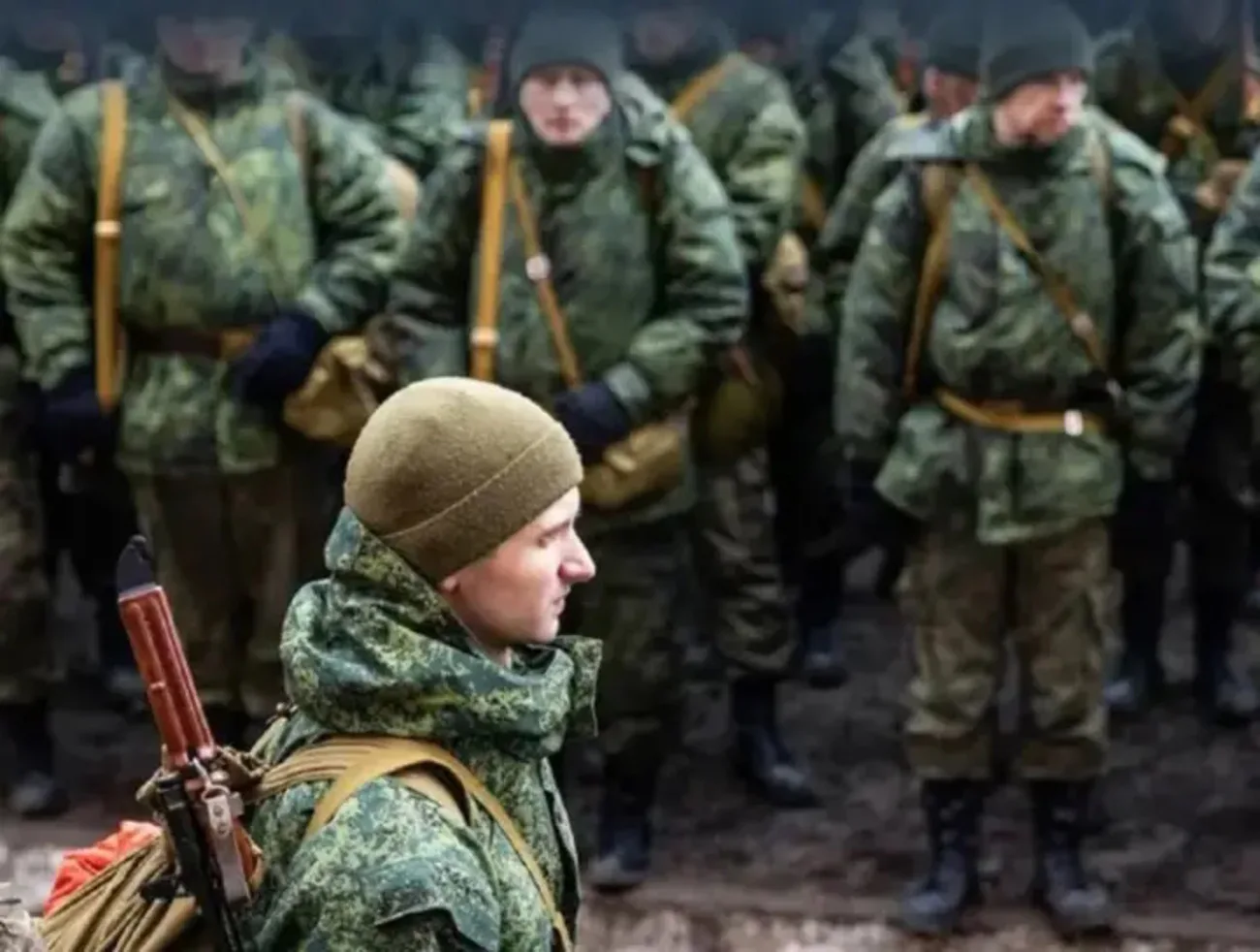
Russia's army is attracting fewer and fewer volunteers. According to independent publications iStories and Verstka, the number of contract soldiers in spring 2024 fell by more than a third compared to the same period in 2023. This very deficit, rather than strategic design, stands behind discussions of general mobilization after the State Duma elections on September 18–20.
Defense, Not Offense
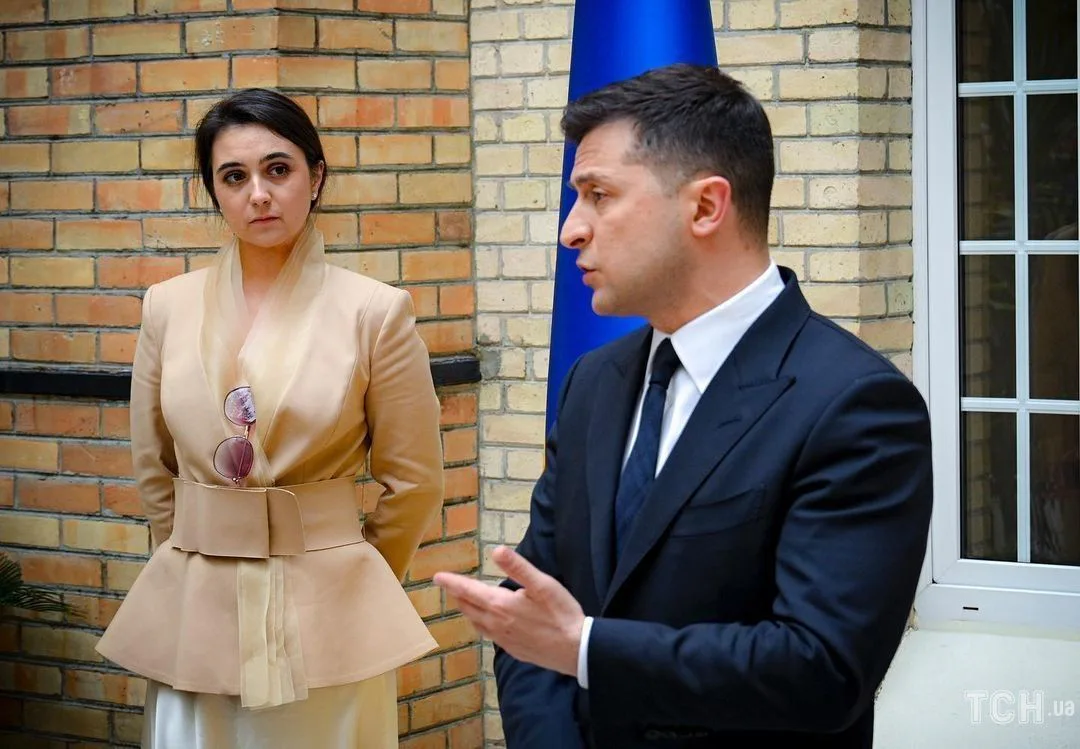
Military expert Alexander Kovalenko considers the figure of one million new fighters that is actively discussed in the media unrealistic. A realistic scenario is 500–600 thousand mobilized, and their function is fundamentally different than in 2022.
«We must seize the window of opportunity and maximize the improvement of our disposition on the theater of military operations before they get this additional 'cannon fodder'.»
Alexander Kovalenko, military expert, in a comment to UNN
The logic is simple: an army that has suffered, according to BBC estimates based on open sources, between 130 and 180 thousand killed and another approximately 290 thousand seriously wounded, needs reinforcements primarily to hold the line — not for new offensive operations. ISW records a similar trend: an economic and personnel crisis could force Putin to change the way he conducts the war to preserve regime stability.
Two Months That Matter
According to Kovalenko's assessment, the second half of August through the first half of October is the best window for active operations by the AFU: newly mobilized troops will not yet reach the front, and the pace of combat allows for position changes. If Ukraine uses this time effectively, even large-scale reinforcements of the Russian army will not guarantee it tactical advantage.
Sources close to the Kremlin and security structures confirm: the decision on mobilization has not been finalized, but «roadmaps» are already being worked out. A telling detail — the authorities, according to the same data, will avoid using the word «mobilization» to avoid repeating the political shock of September 2022.
The Age of Mobilization in Ukraine: Where Is the Line
Against the backdrop of these reports, discussion in Ukraine has intensified again about lowering the conscription age. Kovalenko opposes it:
- Young people aged 18–24 can already conclude voluntary contracts with the appropriate financial support.
- Automatic legal lowering of the mobilization threshold is an undesirable step given the demographic consequences for the country after the war.
- The state, according to the expert, must think not only about today's front but also about who will rebuild the country.
If the Kremlin does announce mobilization in October and avoids openly naming it — the key indicator will not be official rhetoric but the pace of new units arriving at the Donetsk and Zaporizhzhia directions. That is where we will see whether Kovalenko's forecast about the defensive rather than offensive nature of this reinforcement comes true.