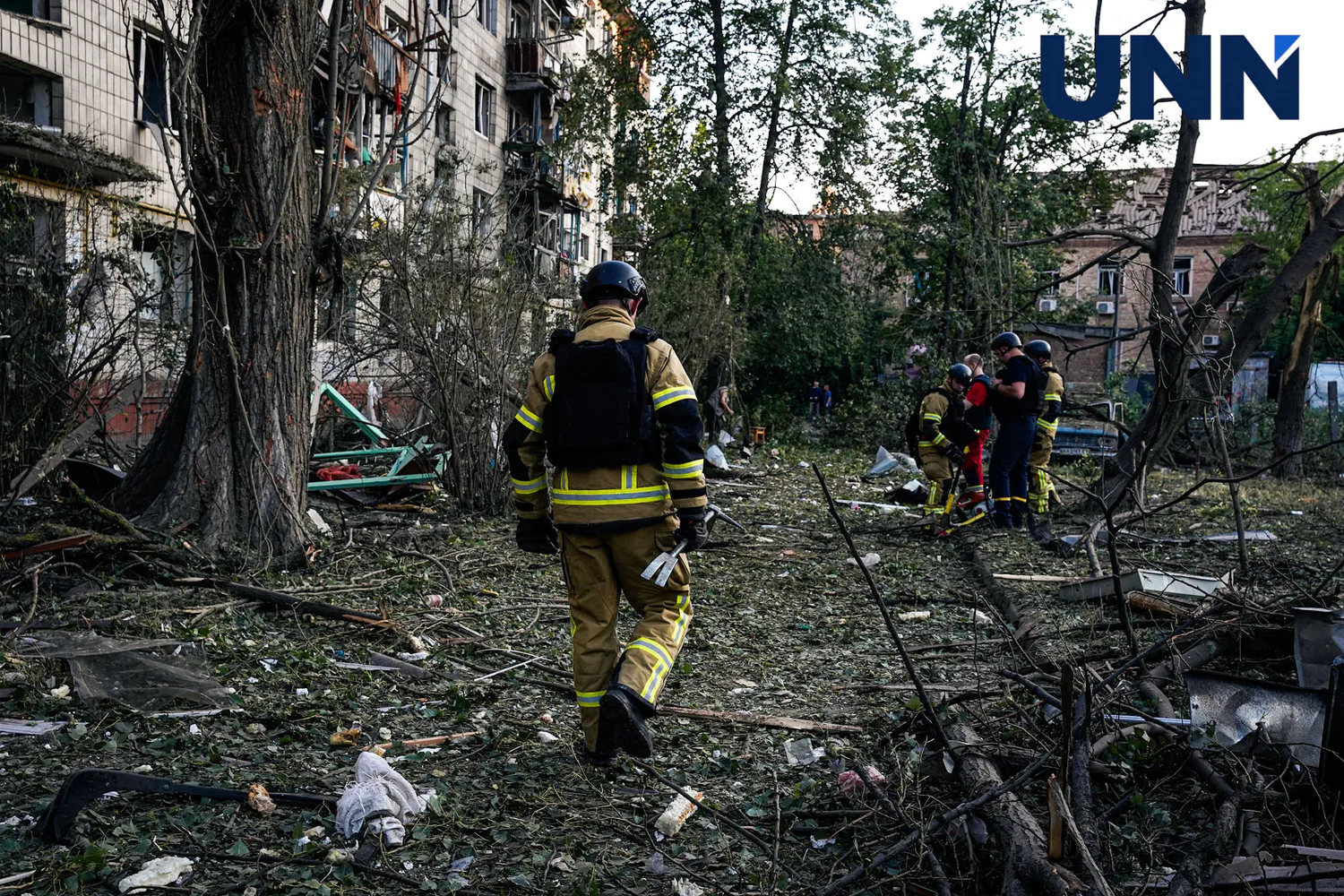
On the night of July 2, Russia delivered a massive combined strike on Kyiv — 570 air attack assets: 74 missiles of various types and 496 drones. According to the Ukrainian Air Force, this was one of the largest strikes on the capital since the full-scale invasion began.
What Got Through Air Defense
Ukrainian air defense destroyed or suppressed 48 missiles and 476 drones. Cruise missiles were almost completely intercepted — approximately 100%, explained Air Force spokesman Yuri Ignat. But ballistic missiles present a completely different picture: of the 24 Iskander-M and S-400 missiles used as ballistic weapons, only four were destroyed. None of the four Zircon missiles could be intercepted.
These are classic Iskander-M, S-400 air defense guided missiles are also used as ballistic weapons... And also anti-ship Zircon missiles — they attack at high speed
— Air Force spokesman Yuri Ignat
The ballistic missiles and Zircoms caused the most significant destruction. The strike occurred in several waves: first attack drones, then ballistic missiles and strategic aviation with cruise missiles.
Where and What Was Destroyed
Damage was recorded in all districts of the city. The Darnitsky district suffered the most: partial destruction of 5-, 9-, and 16-story buildings and private houses. In a 9-story building — destruction from the first to the sixth floor, reported Mayor Vitali Klitschko. A hotel caught fire in the Shevchenko district. Kyiv Zoo sustained damage — reptiles suffered blast injuries, buildings of the primates and birds department, an aquaterrarium, and a winter garden were destroyed.
As of the time of publication, at least 21 people have died, over 90 are wounded, including three children — including a one-year-old child is on the operating table. In the Darnitsky district, rescuers are clearing rubble searching for a 15-year-old girl and her family. The head of the Kyiv City Military Administration Timur Tkachenko confirmed: there are Kyiv residents whose fate remains unknown. Mayor Klitschko declared July 3 as a Day of Mourning.
A Repeating Tactic
Defense Express analysts noted a pattern: similar massive strikes occurred on June 2 and June 15 — that is, at approximately two-week intervals. In their view, this indicates Russia's transition to a regular cycle of preparing such attacks. The calculation is to exhaust missile supplies for Patriot air defense systems: each wave of ballistic missiles forces Ukraine to spend interceptors, which it receives much more slowly than Russia produces Iskanders.
- 570 air attack assets — a record number for a strike on Kyiv
- 0 out of 4 Zircoms destroyed — these missiles remain beyond the reach of current air defense
- 4 out of 24 ballistic Iskanders intercepted — 83% broke through the defense
- 21 dead, search operations under rubble continue
If the West does not accelerate the supply of ballistic missile interception systems — the next strike following the two-week pattern could reach Kyiv in the second half of July with the same or worse results for air defense.







