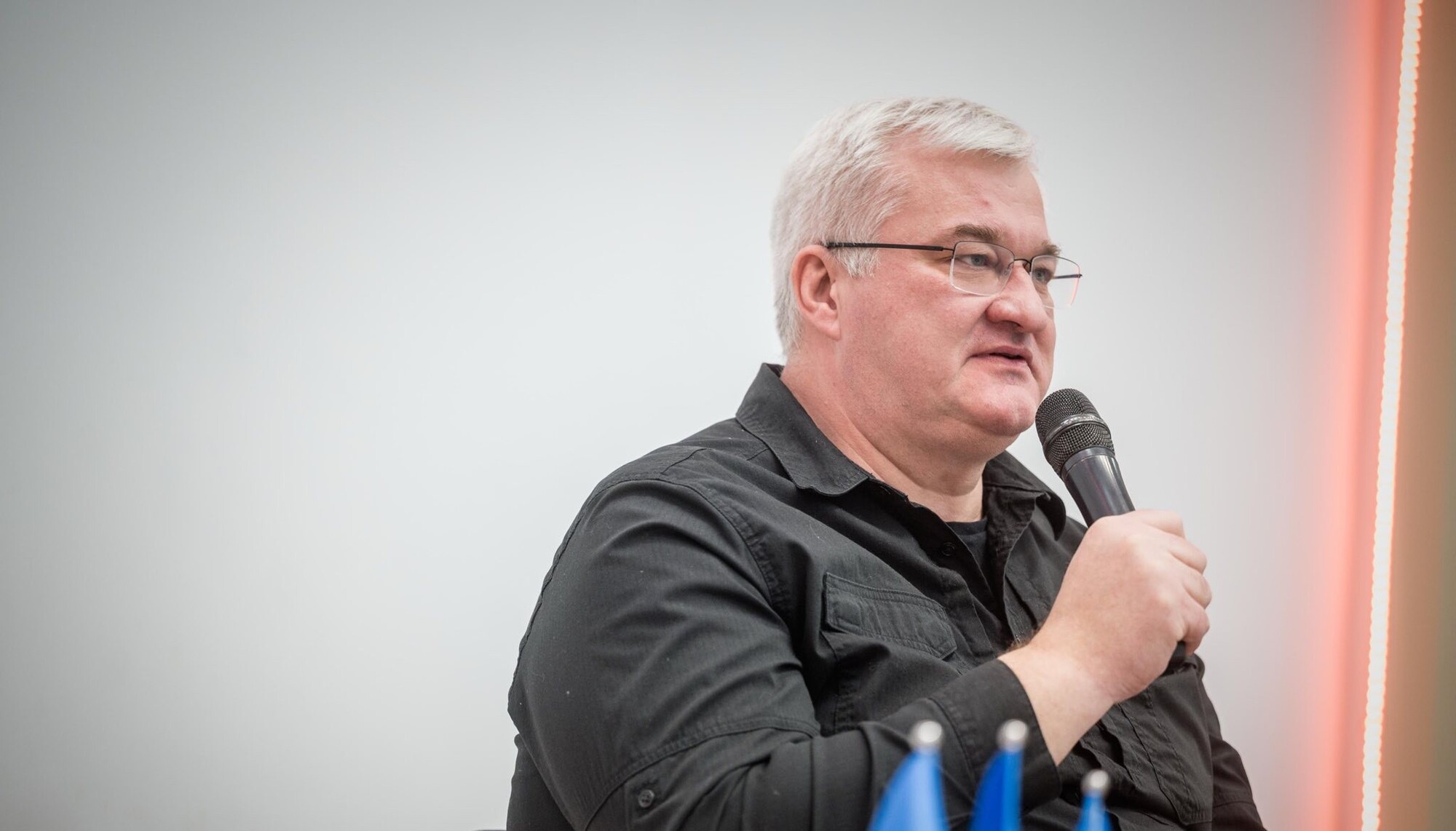
Position of the Ministry of Foreign Affairs and the core issue
The Ministry of Foreign Affairs (MFA) reports that about 250,000 Ukrainian citizens are currently in the Middle East. This figure matters not only statistically — amid regional instability it determines the scale of consular work and evacuation logistics carried out by the state.
What Ukrainian diplomatic missions are already doing
At the instruction of President Volodymyr Zelensky, the MFA has stepped up consular support: embassies maintain constant contact with citizens, coordinate with local services and European partners. Some people have already been moved overland to safer locations, notably to Egypt.
"We know about problems with departures in countries where the airspace is closed. In all situations embassies are in contact with citizens, providing necessary consultations."
— Andriy Syhyga, Minister of Foreign Affairs
Operational information
As of the morning of March 2, the MFA's 24/7 "hotline" had received about 30 inquiries, mostly regarding flight delays. At present the ministry has not recorded any reports of injuries or deaths of Ukrainian citizens in the region.
"At present there is no information about injuries or the deaths of Ukrainian citizens."
— Andriy Syhyga, Minister of Foreign Affairs
How to get in touch and where to turn
Each embassy in the region has introduced online forms for rapid contact. Countries where such forms are available include: Israel, the UAE (Dubai, Abu Dhabi), Bahrain, Kuwait, Jordan, Iraq, Qatar, Saudi Arabia, Lebanon, Oman and Iran. If you or your relatives are in these states — register via the appropriate form and follow updates from the embassy.
What this means for people on the ground
First and foremost: remain calm, stay in touch with the consulate, check the status of flights and possibilities for overland movement. The closure of the airspace forces the search for alternative corridors — it was via such routes that part of the evacuations to Egypt took place.
Brief conclusion
The MFA's actions show that the state is mobilizing diplomatic resources to minimize risks to citizens. If the escalation persists or intensifies, broader coordination with European partners and the deployment of additional logistical corridors will be required. It is now important that declarations of support be turned into concrete routes and reception points for people who need them.





