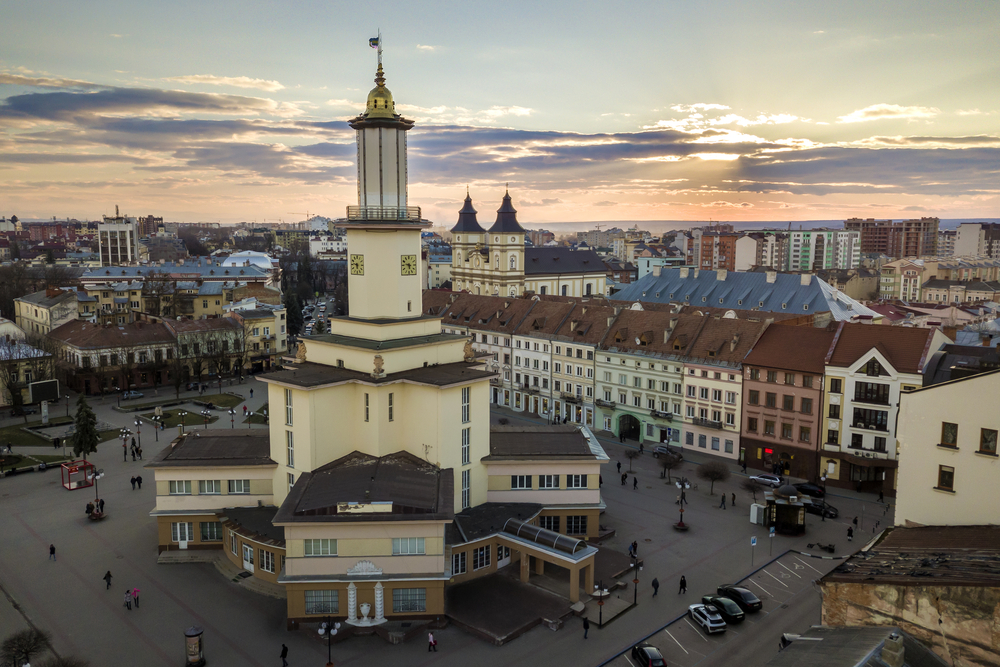
On Tuesday, May 5, Ivano-Frankivsk recorded +30.2°C. This is not just the warmest day of the week — the previous record for this date had been held since 1969 and was +28.2°C. In other words, it was beaten by two degrees at once.
A similar picture emerged in neighboring Kolomyia. There, the thermometer showed +29.1°C, while the previous maximum temperature for May 5 had been recorded as far back as 1948 — and it was only +23.6°C. The difference is nearly six degrees.
Overall, records fell in six cities that day: in addition to Ivano-Frankivsk — in Vinnytsia, Chernivtsi, Rivne, Ternopil, and Lviv. All of them in the western part of the country. This was reported by the Ukrainian Hydrometeorological Center.
Not a coincidence, but a trend
These records fit into a broader context. According to data from the EU Climate Change Service Climate Copernicus, May 2025 became the second warmest May in the world in the entire history of instrumental observations.
«The average air temperature at the surface in May 2025 was 15.79°C — 0.53°C above the average for 1991–2020».
Climate Copernicus Report / RBC Ukraine
However, Europe was divided: the west warmed above normal, the east below normal. The coldest temperature anomalies in Europe were recorded precisely to the west of the Black Sea — over Ukraine and near it. In other words, the Ukrainian records of May 5 occurred not due to a general European heat wave, but despite a relatively cool May in the east.
What this means in practice
- Records held since 1948–1969 were formed in a different climate — the pre-industrial baseline temperature was then more than 1°C lower.
- Kolomyia beat its previous record by as much as 5.5°C — not a gradual increase, but a jump.
- A few days before this, Ivano-Frankivsk registered a temperature minimum. The fluctuation over a week — from a minimum to an absolute record.
Scientists from Oxford University warn: regions with temperate climates — such as western Ukraine — will experience the sharpest increase in the number of hot days in the context of global warming at the 2°C level. For comparison: current warming is already approaching the 1.5°C mark.
If such records become the norm every spring — the question is no longer whether the climate will change in western Ukraine, but whether urban infrastructure and healthcare systems will manage to adapt to temperatures they simply were not built for.





