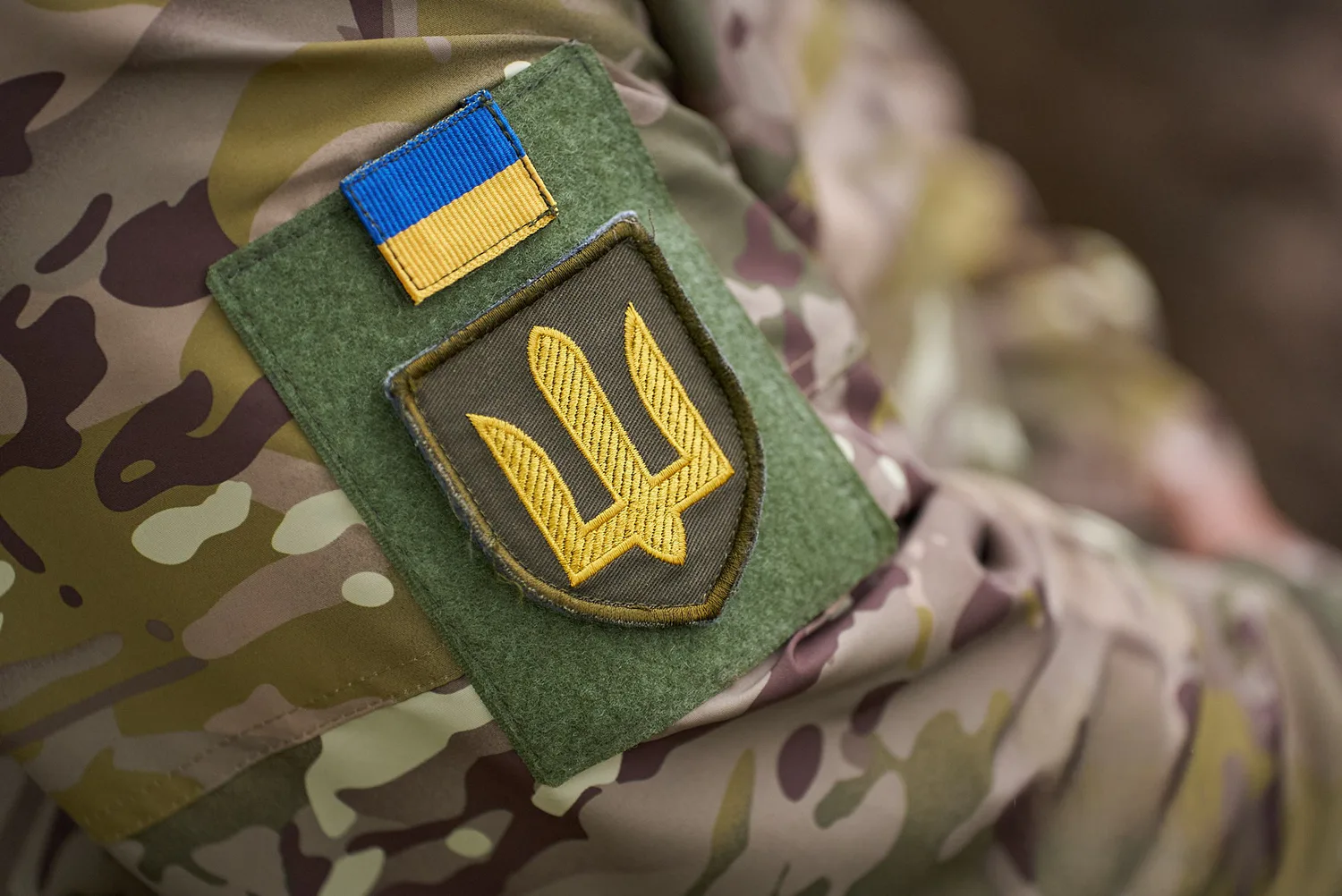
For the fourth year in a row — the same pattern: the president signs a decree, parliament approves it. This law extended martial law in Ukraine for 90 days, that is, from August 2 to October 31, 2026. The Verkhovna Rada also voted on a law extending general mobilization for the same 90 days — it was supported by 311 people's deputies.
A number that speaks louder than a headline
This is already the 20th parliamentary vote on extending martial law and general mobilization. For comparison: martial law was first introduced on February 24, 2022. Initially — short cycles of 30 days, then parliament and the government switched to a 90-day format, which in fact became routine.
«For 90 days, that is, from August 2 to October 31, 2026. This is already the 20th time the current convocation votes on these matters».
— People's Deputy Yaroslav Zheleznyak, social media
313 «in favor» — this is not just a quorum, it is more than two-thirds of the constitutional composition of parliament. Voting remains predictable: no opposition attempts to block the extension have been recorded a single time.
Autopilot — not a synonym for automatism
The routine nature of the procedure does not mean it is empty of substance. Ukrainian legislation does not establish any upper limit on the number of extensions of martial law — this regime lasts exactly as long as a real threat to state independence persists. This means that formally, parliament can vote in the 30th, 50th time and beyond.
Each extension — is not an automatic ritual, but a conscious decision that reflects the current state of defense and the ability of institutions to adapt to a prolonged war. The difference between «routine» and «formality» — is fundamental: in the first case, the institution works stably, in the second — it merely imitates work.
What this means for people
- Mobilization — extended in parallel, also until October 31. This means the preservation of all restrictions on departure for military-liable persons.
- Legal regime — special powers of authorities, restrictions on rights and freedoms provided for by the law «On the Legal Regime of Martial Law», remain in force.
- Elections — their conduct during martial law is impossible under the Constitution, so the next horizon is November 2026, if the state is lifted.
If by October 31, 2026 there is neither a ceasefire nor significant changes on the front — parliament will hold the 21st vote with the same result. The question is not whether they will vote: the question is under what conditions this procedure will first not be unanimous.







