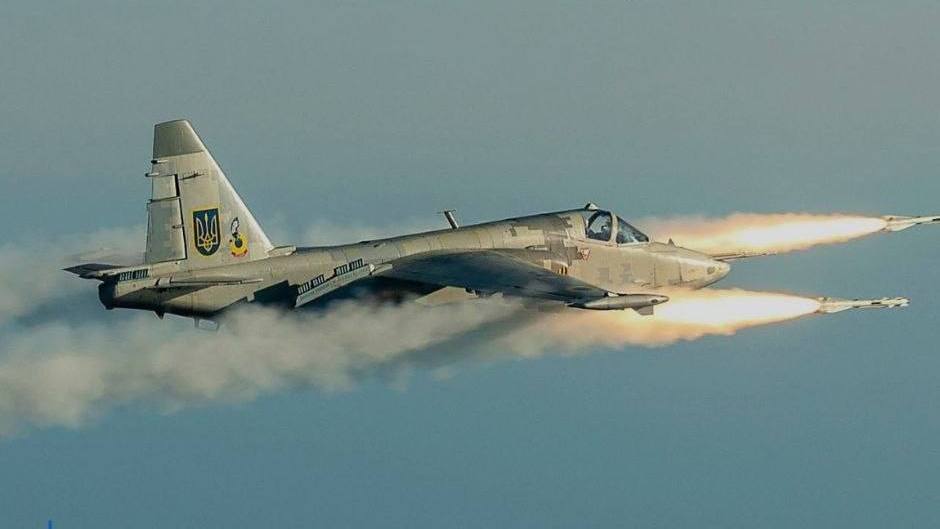
The figures released by the Ministry of Defense for Air Force Day are indeed impressive: 445,000 air targets destroyed since the start of the full-scale invasion, over 38,000 combat sorties by aviation, 12,000 destroyed means of attack. But behind this facade lies arithmetic that deserves separate examination — because not all targets are equally difficult to intercept.
Drones vs. missiles: different weight in one sum
The lion's share of the 445,000 consists of Shaheds and reconnaissance drones. They are shot down by mobile firing groups, anti-aircraft artillery, and increasingly often by interceptor drones, which cost significantly less than air defense missiles. This is the part of the statistics where Ukraine has genuinely increased efficiency and made interception relatively mass-produced and affordable.
The story with ballistic missiles is completely different. Only systems like Patriot can handle them, and their number is limited and depends on partners' decisions. And it is precisely here that a gap appears between the overall impressive figure and concrete reality.
The night of August 1 as a control example
In the night of August 1, Russia launched 35 missiles at Ukraine, 27 of which were ballistic. According to Zelenskyy, only one was destroyed. This does not contradict the statement about "445,000 destroyed targets" — simply ballistics and drones are counted in one overall number, although defending against them requires entirely different approaches.
Air Force spokesman Yuriy Ihnat noted on July 27 that Russia has begun launching ballistic missiles more frequently in the morning, and their share among all means of attack is growing. This means that the adversary is deliberately pressing on the most vulnerable point of the defense.
"The Ukrainian air shield is already one of the strongest in Europe... even under conditions of shortage of one or another equipment," Zelenskyy said, greeting the Air Force fighters.
What this means in practice
For an ordinary person, it is the difference between an alarm over Shaheds, which can be weathered in shelter with a high probability that the drone will be shot down, and a ballistic attack, where the chance of interception is significantly lower and depends on the number of Patriot missiles currently in service. The Ministry of Defense does not hide this problem — Zelenskyy directly stated that aviation and air defense means are insufficient for complete sky protection.
- 445,000 targets over 3.5 years — mainly drones and cruise missiles that are shot down en masse and at relatively low cost.
- Ballistics remain a bottleneck: 1 out of 27 on the night of August 1 is not an anomaly but a trend that command has been documenting since late July.
The question for the coming months is simple: will allies manage to increase supplies of Patriot missiles faster than Russia increases the share of ballistics in its strikes?







