When Russia banned Armenian flowers from May 22, and tomatoes, cucumbers, strawberries, and greens from May 30, it no longer looked like a phytosanitary inspection. Ahead of the parliamentary vote on June 7, Moscow was intensifying economic pressure on Yerevan — because Prime Minister Nikol Pashinyan publicly criticizes Russia and is deepening cooperation with Brussels and Washington, which the Kremlin dislikes. Moscow has already applied similar trade restrictions against Georgia and Moldova.
What Russia Blocked — and Why It Hurts
In 2025 alone, Russia accounted for about 35% of Armenia's foreign trade. The blows came in sequence: first, mineral water "Jermuk" was banned, then flower imports, and then alcohol. In 2023–2024, Armenia supplied about 80% of its export cognac to Russia. Each subsequent blow to Armenian exports coincided not with deteriorating product quality, but with specific political steps by Yerevan.
Russia also recalled its ambassador from Yerevan "for consultations" due to Armenia's increasingly close ties with the EU. EAEU leaders at the summit in Astana warned Armenia that its course toward EU membership poses "serious risks" to the economic security of the entire union and announced a formal review of the country's membership with a possible suspension until December.
The EU Package: What Specifically
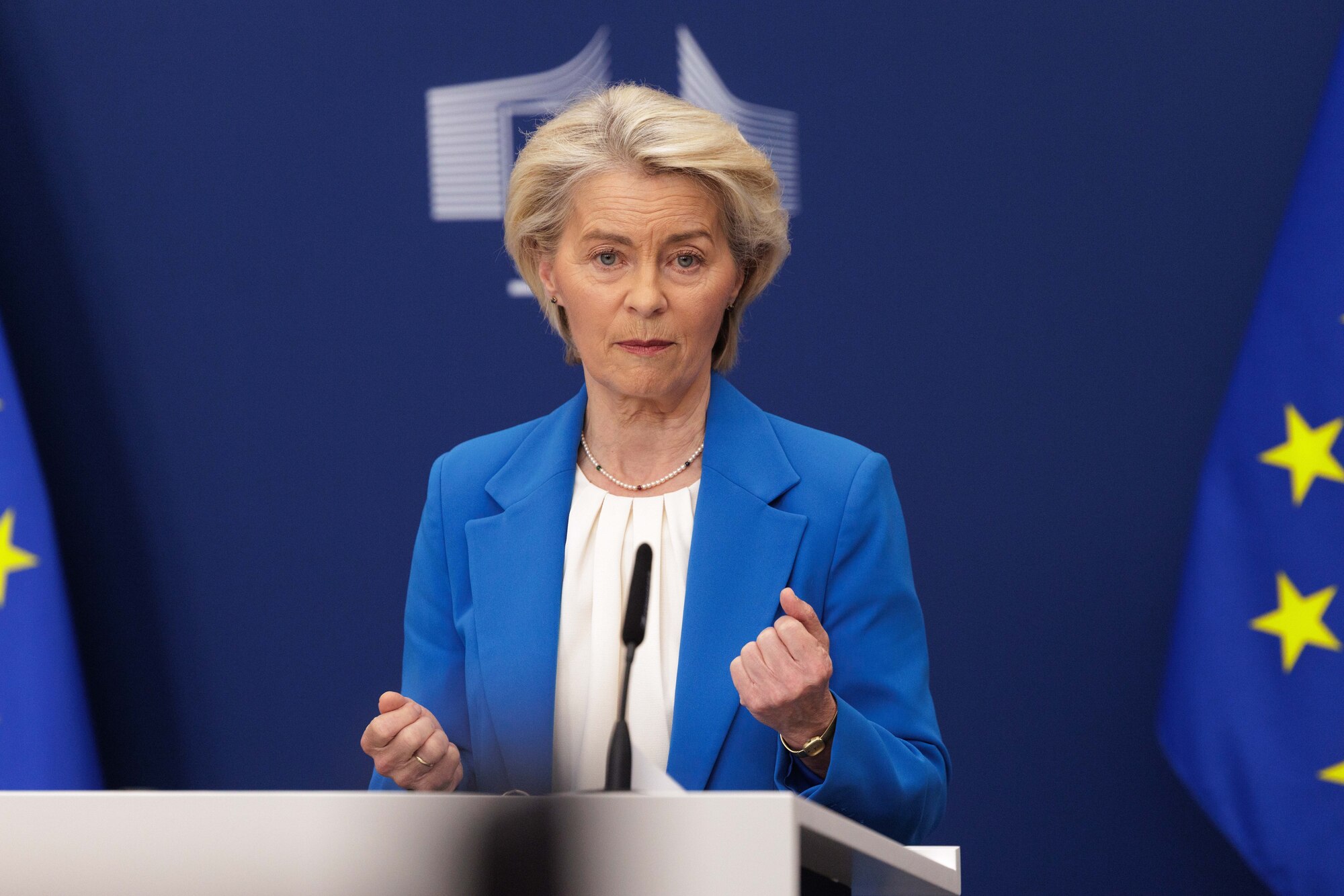
European Commission President Ursula von der Leyen, after a phone call with Pashinyan, stated that Russia is "weaponizing" economic relations for political pressure and called it "unacceptable."
"By expanding export restrictions on Armenian goods, Moscow is using economic relations as a weapon for political pressure. We know this scenario well."
Ursula von der Leyen, President of the European Commission
The package contains three components. First — immediate financial assistance totaling over €50 million. Second — facilitating trade for Armenian agricultural products and flowers: in particular, a shipment of 10,000 flowers has already been sent to Latvia. Third — a joint EU-Armenia task force will be created to monitor the implementation of all initiatives.
EU support since 2024 under the Resilience and Growth Plan has already helped 7,000 businesses and contributed to the creation of over 20,000 jobs in Armenia.
Will the EU Replace the Russian Market — Skepticism with a Name
Economist and professor Tatul Manaserian questioned government optimism about quickly finding alternatives. He warned that losing access to the EAEU market would be a significant economic blow — and explained why: over the past decade, Armenia's trade turnover with EAEU countries has grown twelvefold, which is an exceptional indicator by international standards. Although European countries may support Armenia symbolically or through short-term measures, banking on a rapid breakthrough into European markets is unrealistic, — he emphasized.
"It seems that elections should be held more often — because it's precisely during such periods that miracles appear to happen."
Tatul Manaserian, Doctor of Economics, on the government's promises to find new markets
Countries that have experienced similar pressure begin to view market diversification not as an ideological choice, but as a matter of national security. Armenian producers already have an incentive to seek certification for EU markets and increase supplies to the Persian Gulf and Asian countries — but entering new markets requires investments, new standards, and time.
Strategic Bet: A Hub Between Europe and Asia
The recent opening of trade routes with Turkey, including rail connections through Georgia, is a step forward: Armenia has the potential to become a strategic hub between Europe, the South Caucasus, and Central Asia. The EU plans to develop precisely this perspective — and the corresponding infrastructure commitments — on a ministerial platform on connectivity issues.
The question is not whether the Armenian economy will survive without Russia — but whether the EU will manage to actually open markets for Armenian producers faster than Russian pressure will force Yerevan to return to the EAEU: if Pashinyan wins the June 7 elections, and €50 million per year does not produce tangible results for farmers — the next negotiations with Moscow will be conducted from much weaker positions.





