On the night of July 2, Russia delivered one of the largest strikes on Kyiv since the start of the full-scale invasion. At least 22 killed, around 100 wounded, destroyed entrances of apartment buildings, fires across all districts of the city — and a systemic problem that this attack revealed with renewed urgency.
570 targets in one night
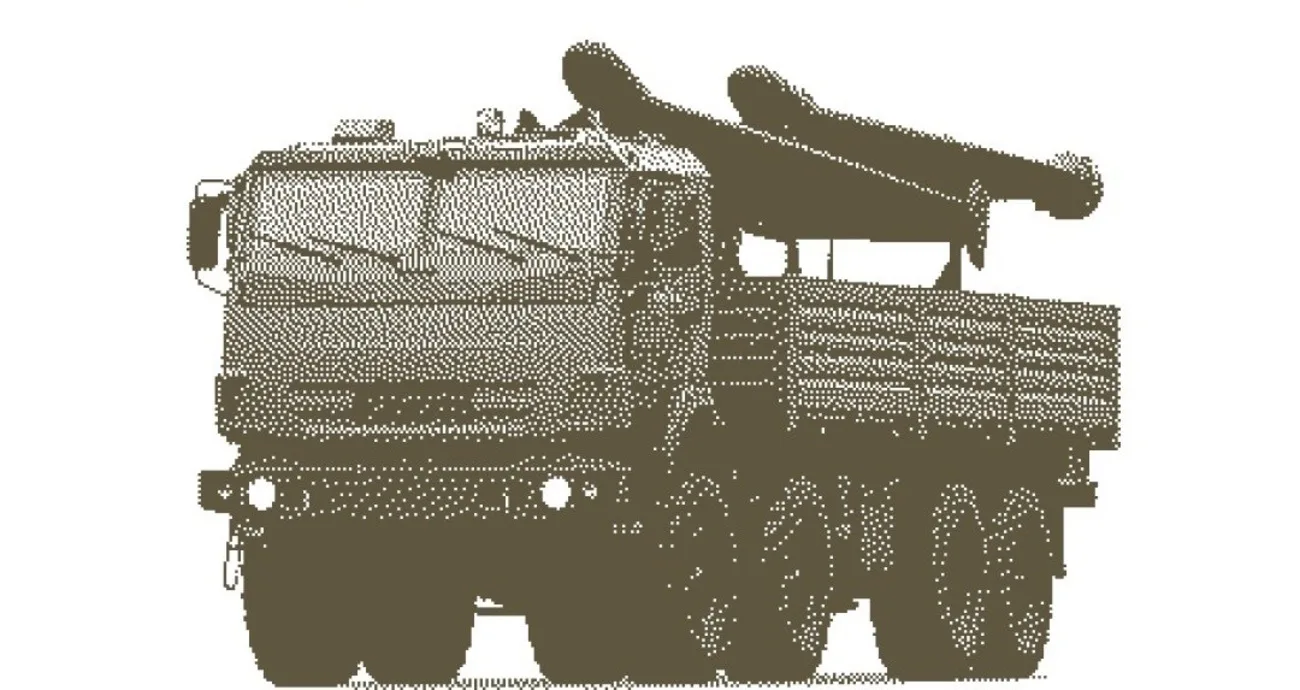
According to the Air Force of the Armed Forces of Ukraine, radio technical forces detected 570 air attack means — 74 missiles and 496 unmanned aerial vehicles of various types. The arsenal composition is telling: 4 anti-ship Zircon missiles from Kursk region, 24 Iskander-M ballistic missiles and S-400s from Bryansk and Kursk regions, 34 cruise Kh-101s, 8 Kalibr missiles and 4 Kh-59/69 air-to-ground missiles. Air defense systems destroyed or suppressed 524 targets — 48 missiles and 476 drones. However, 25 ballistic missile hits were recorded at 33 locations.
Yuriy Ignat, head of the Air Force communications department, explained the logic of the attack: Russia combines weapons systems to overload the air defense system, and deliberately increases the share of ballistics — the ones that are hardest to intercept.
"Ballistics remains a weak point for us. We need to defend not only the capital, but also Kharkiv, Dnipro, Odesa, and Zaporizhzhia"
Yuriy Ignat, Air Force of the Armed Forces of Ukraine
Where "Zircon" is, Patriot can't keep up
Ukrainian air defense intercepts cruise missiles with results close to 100% — "primarily thanks to pilots," Ignat clarified. It's different with ballistics: the only system capable of shooting them down is the American Patriot. But according to Defense Express analysis, its interceptor missiles are already running critically low. For comparison: during the attack on June 15, air defense destroyed 83% of Zircones and 44% of ballistics. This time ballistics proved much more effective.
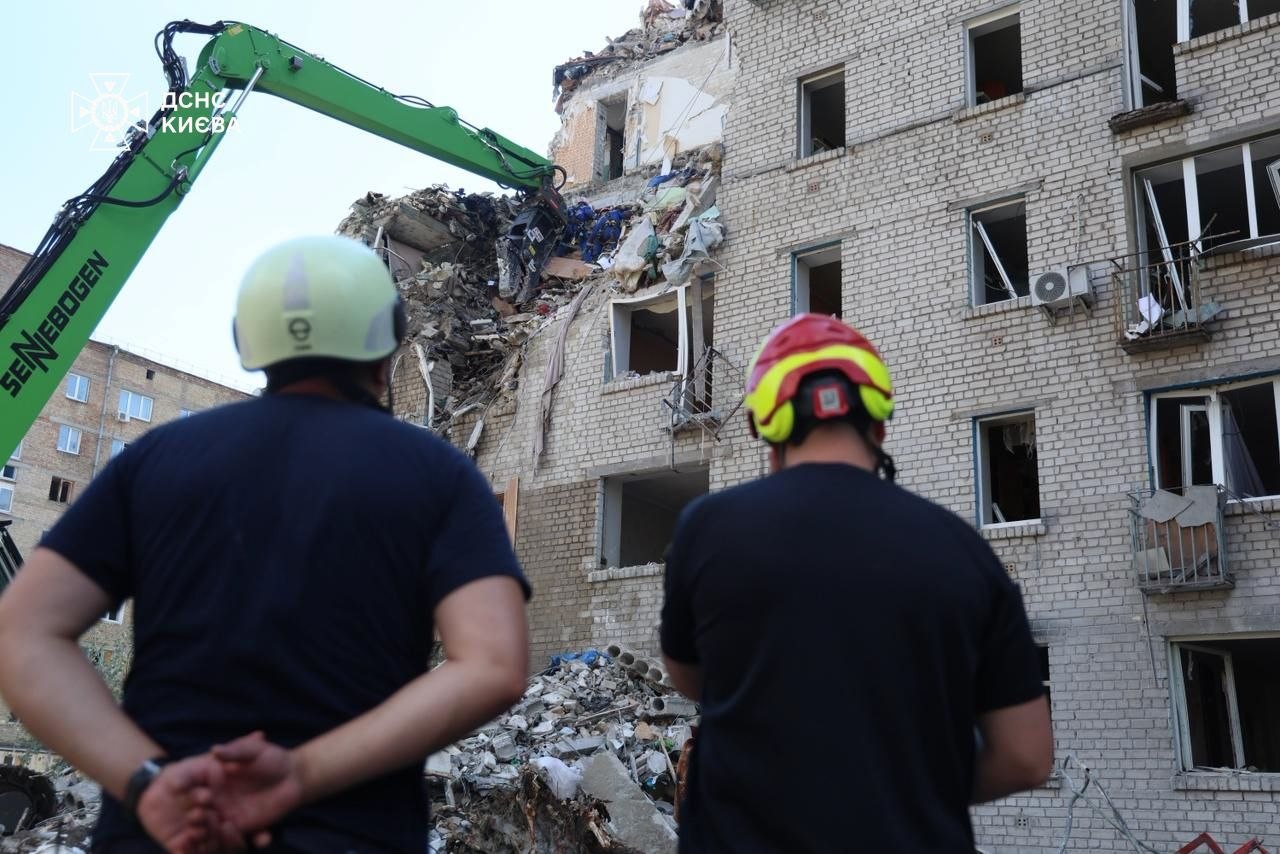
This is why the Darnytskyy district suffered the most destruction: a missile strike essentially collapsed the entrance of a 9-story building from the first to the sixth floor. A 15-year-old girl and her family were being searched for in the rubble. Three children are in hospitals, including a one-year-old on an operating table.
"Not later, but now"
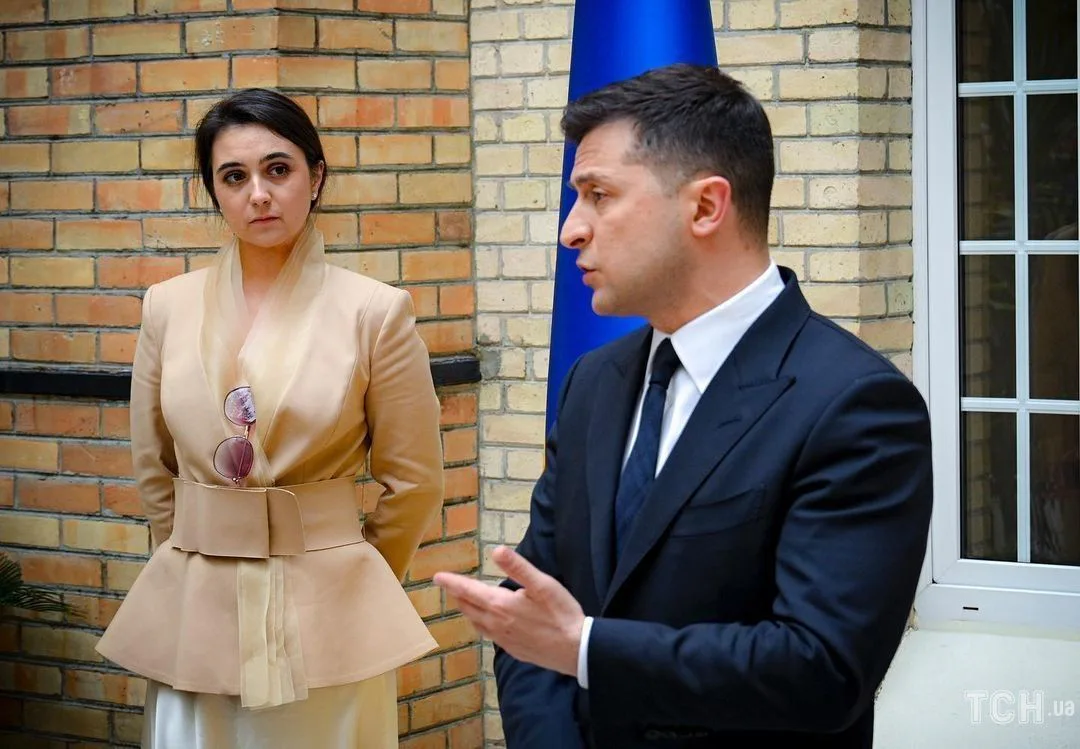
Zelenskyy responded during the night — and formulated the demand clearly: new Patriot supplies and US licenses for its production are needed. However, no concrete decisions from partners have been received following the strike.
Meanwhile, in Shevchenko district, the CityHotel Residence hotel was damaged — a historical landmark from the early 20th century designed by Yosyp Zektsner. Five medical workers sustained injuries, with one paramedic in extremely critical condition. Contamination was detected in one of Kyiv's lakes. July 3 is a day of mourning in Kyiv.
The structure of this attack reproduces the same scheme as in June: Zircones and ballistics as a tool for deliberately overloading Patriot. If the US does not provide licenses for producing interceptors by the end of summer, the next massive attack could have an even higher percentage of hits.