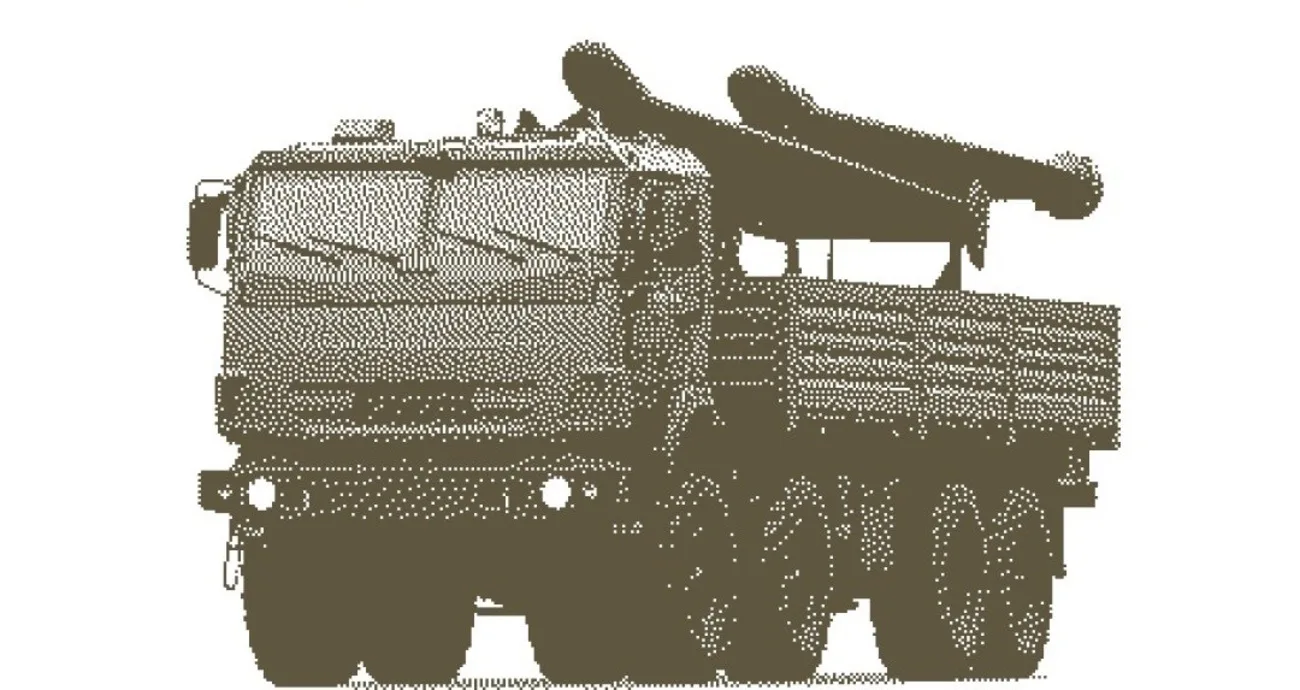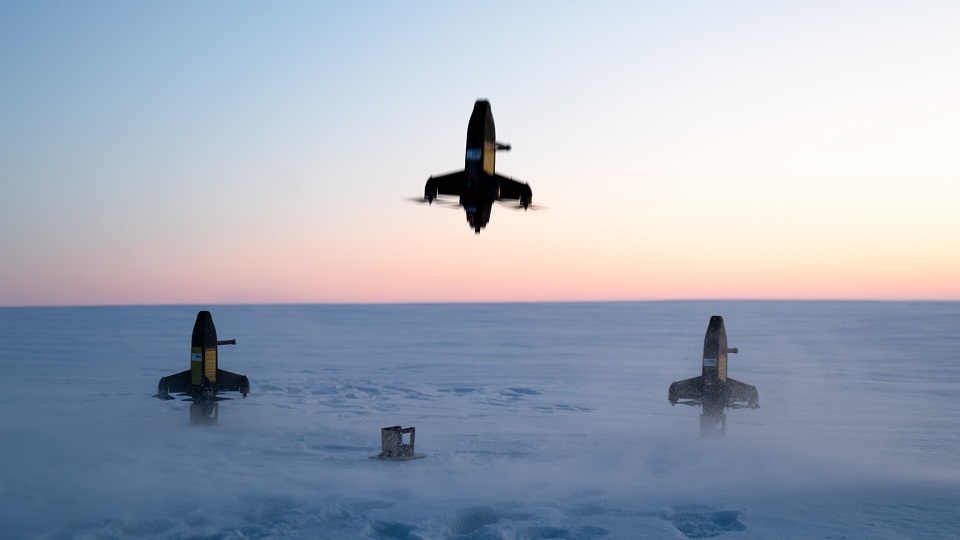
Ukraine and the United States have signed a bilateral statement of intent in the field of defense partnership, which provides for the export of Ukrainian unmanned aerial vehicles for military testing directly at Pentagon facilities. This is reported by Radio Free Europe correspondent in Washington Alex Raufoglu, citing two informed sources.
Why this is not just a "memorandum"
Formally — a statement of intent. But the context gives it different weight. Washington cancelled the import ban on Ukrainian weapons that had been in effect since 1997 — this legally opened the door for the current agreement. In parallel, Kyiv launched its own framework program "Drone Deals" and formed a procurement coalition with European partners. According to President Zelenskyy, four bilateral agreements on drone exports have already been signed, with approximately 20 more at various stages of negotiations.
In other words, the agreement with the United States is not an isolated gesture, but part of a systemic reorientation: Ukraine is moving from an aid recipient to a supplier of defense technologies.
Asymmetry in production that the US cannot ignore
The figures explain American interest better than any diplomatic rhetoric. According to Kyiv Post citing industry data, one Ukrainian manufacturer plans to produce over 3 million FPV drones in 2026 — while the entire American market produced approximately 300,000 units throughout 2025.
Beyond scale — there is technological advantage in a specific niche. Ukrainian companies, particularly Sine Engineering, have developed GPS-free navigation systems that allow drones to operate in conditions of dense radio-electronic jamming. This is precisely the experience — gained in real combat conditions, not on a test range — that the Pentagon wants to study.
"Testing has already begun"
— President Zelenskyy, quoted by Defense News after the NATO summit in Ankara, July 2026
What remains without a mechanism
The agreement is a statement of intent, not a contract. Open sources contain no details about which specific types of unmanned aerial vehicles fall under the export, who controls technology transfer, or whether Ukrainian manufacturers are compensated for provided samples. General Cherry has already signed a separate agreement on drone production on American territory — but this is a private initiative, not part of the state statement.
Previously, according to NBC News, broader defense cooperation faced resistance within the Pentagon and the White House — especially after the start of the American-Israeli operation against Iran. Trump then publicly rejected Ukrainian drone expertise, stating that the United States "knows more about drones than anyone." The signed statement is essentially an acknowledgment of the opposite.
What's next
If the Pentagon, after testing, begins purchases or licensed production of Ukrainian developments on American territory, Ukraine's defense industry will gain not just a sales market, but a strategic partner with an unlimited budget. If the agreement remains at the level of "testing" without specific contracts — it will become another memorandum without obligations.
The key question: will the first commercial orders from the American side appear by the end of 2026 — or will the test results remain in classified Pentagon reports, never becoming public?