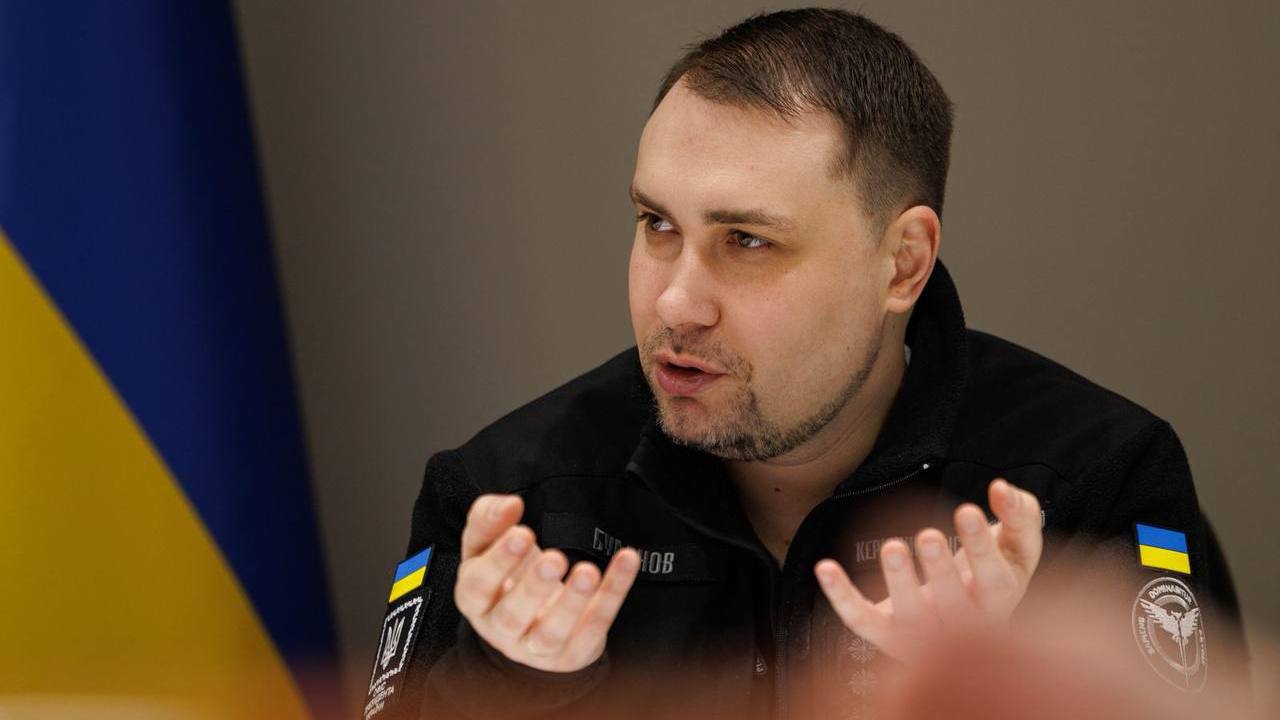
"Nothing is eternal — neither the government in Hungary, nor this situation that has arisen now," said Head of the Office of the President Kyrylo Budanov at a meeting at CEO Club Ukraine. That sounds like a diplomatic euphemism, but behind it lies a very concrete electoral arithmetic.
What is happening in Hungary
Parliamentary elections are scheduled for 12 April 2026. The opposition party "Tisza" of Péter Magyar, according to the research center Median for HVG, leads the ruling "Fidesz" by 20 percentage points among those who have decided on their choice. Such a gap potentially gives "Tisza" a constitutional majority — that is, the ability to rewrite the rules of the game without coalition bargaining.
"The stakes of these elections go far beyond Hungary itself."
Bloomberg
During his 16 years in power Orbán blocked an EU loan to Ukraine of €90 billion, together with Slovakia stopped electricity supplies and blocked support for the 20th package of sanctions against Russia. However, anti‑Ukrainian rhetoric did not halt the fall in his ratings — it accelerated it.
Magyar is not an automatic reset
There is an important nuance that Budanov, in his optimism, may not have voiced aloud. Magyar is not a pro‑Ukrainian candidate in the classical sense: he has opposed the accelerated accession of Ukraine to the EU, rejected arms deliveries to Kyiv, and has spoken of a possible referendum on eurointegration — which could ultimately block the process. His party "Tisza" voted against the EU loan to Ukraine of €90 billion in the European Parliament.
At the same time, half of Hungarians consider Ukraine dangerous for Hungary, 64% oppose Ukraine's accession to the EU, and 74% oppose financial aid to Kyiv. Magyar is a product of this society, not its exception.
Slovakia: a different logic, similar outcome
Budanov singled out Slovakia separately: reactive, but not hopeless. At the start of the full‑scale invasion it was Slovakia that accepted the largest share of Ukrainian refugees relative to its own population and remains a partner in a number of bilateral projects. Fico reproduces Orbán's model — threats, transit blackmail, blocking sanctions — but with less systemic consistency and greater dependence on political conjuncture.
The fundamental difference between the two countries: Orbán built his anti‑Ukrainian position over years and institutionally; Fico reacts situationally to domestic populism. This means that Slovakia is theoretically "softer" for a turnaround — but also less predictable.
If "Tisza" obtains a constitutional majority and Magyar does begin to revise Hungarian foreign policy, the key question is not whether he will lift Hungary's blockage of Ukraine in the EU — but whether Hungarian society will change quickly enough to allow him to do so without electoral backlash.





