In major diplomacy, quiet agreements matter more than loud statements
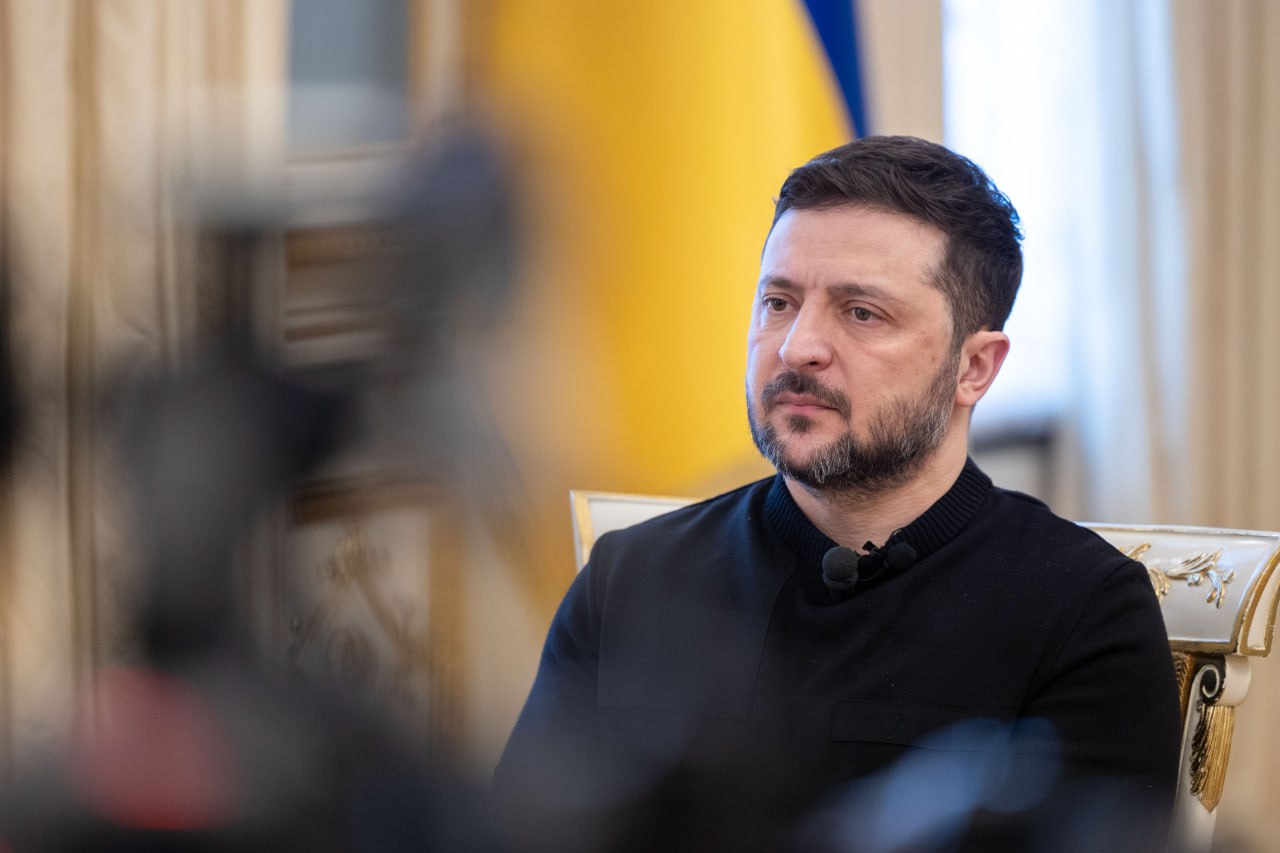
President Volodymyr Zelensky commented on statements by Iran, which is threatening to "consider Ukraine a legitimate military target" over Kyiv's provision of assistance to Gulf countries in intercepting drones. In an interview with i24NEWS he noted that Ukraine has heard such threats before — this has been going on for years.
What exactly the president said
"Nothing new. Over the past four years I have heard many different statements. For us it is important that the United States and leaders of Middle Eastern countries have turned to us for help with drone interceptors. They turned to us for expertise in the field of air defense."
— Volodymyr Zelensky, president of Ukraine
The president emphasized a key point: air defense is a tool of defense, not offense. That is why Kyiv agreed to provide specialists and interceptors to protect its partners.
Why this matters for Ukraine
First, appeals to Ukraine for expertise confirm that our army and defense industry have accumulated unique practical experience in combating "Shahed" drones. Second, this makes Kyiv an important node of security cooperation between the West and the Gulf states — while at the same time raising questions about the risk of escalation.
Risks and opportunities
Analysts at LIGA.net point out that escalation around Iran could affect Ukraine's interests more broadly than it seems — from fluctuations in oil prices to complications in the delivery of Western weapons. At the same time, an expansion of the theater of operations opens markets and demand for Ukrainian defense expertise and products.
Kyiv has already received several requests: according to the president, as of March 13 there were appeals for help with drones from six countries in the region, as well as separate requests from the United States and Jordan. Ukrainian interceptors and specialist teams have already been deployed to protect American bases in Jordan.
Political context
Echoing these events have been political statements by international figures: for example, former U.S. President Donald Trump said he allegedly does not need help from Ukraine — to which Zelensky replied that for him tangible work matters, not rhetoric.
What this means for the reader
Ukraine's security and its position within international coalitions depend not only on big statements but on the concrete exchange of knowledge, technologies, and logistics. Providing interceptors is a contribution to the collective defense of partners, and also a strategic resource for Kyiv in the form of political credit and possible access to scarce air-defense systems.
Conclusion
In view of the above, Kyiv's response is pragmatic: defending sovereignty while remaining a useful partner. The next step lies with the allies: will the appeals for help turn into guarantees and material support for Ukraine, including supplies of ammunition for air defense and long-term political commitments?





