Briefly
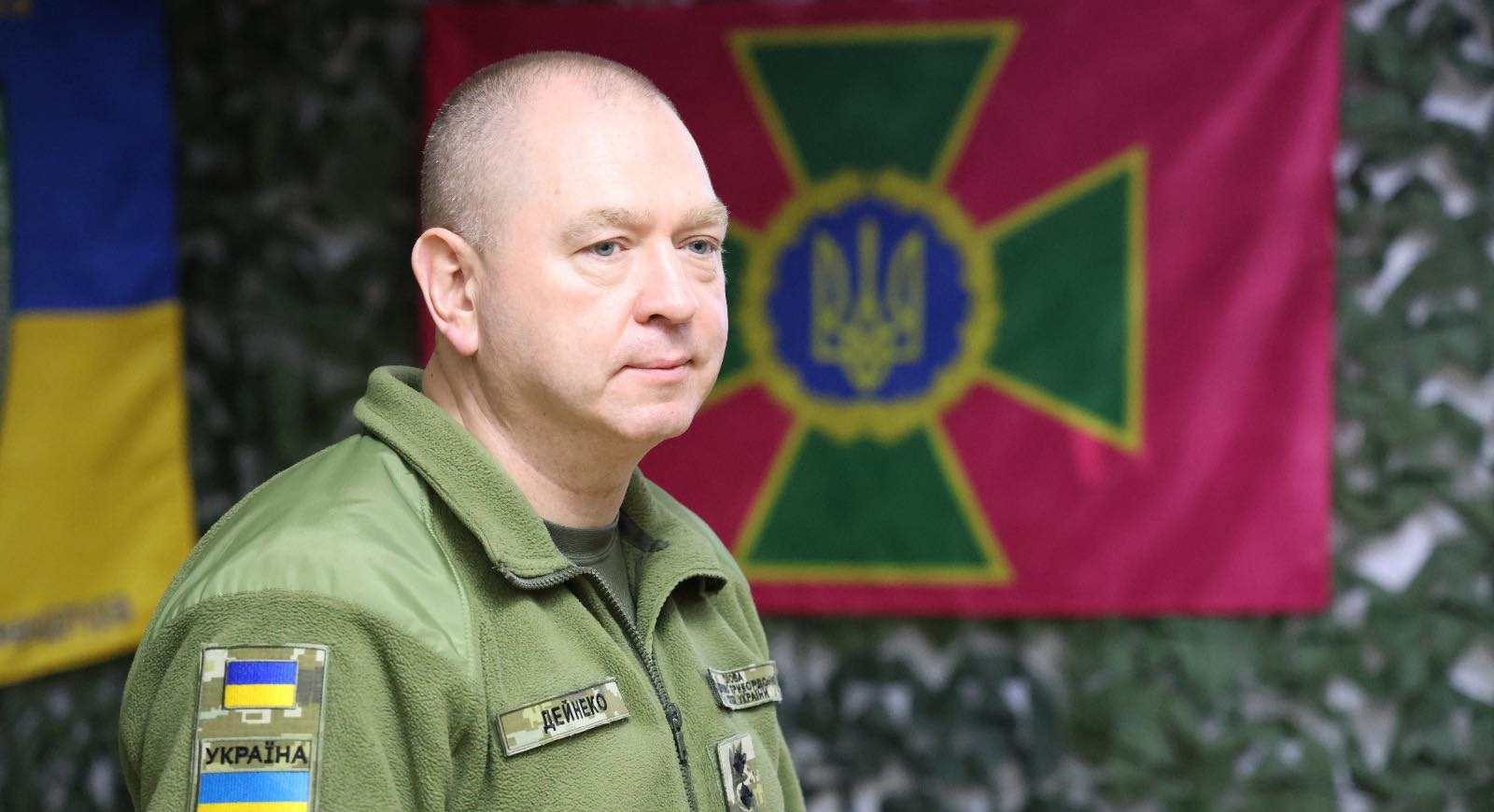
Former head of the State Border Guard Service Serhiy Deineko has been discharged from military service by an order dated 2 February, — State Border Guard Service spokesman Andriy Demchenko told LIGA.net. At the same time the SBGS denies reports that he left the country. This story combines medical grounds, questions about the independence of medical commissions, and criminal suspicions — which is why it matters for the border service’s reputation during wartime.
Confirmation and timeline
Key dates and facts confirmed by open sources: on 4 January 2026 the president dismissed Deineko from the post of head of the SBGS; the same day he was appointed an adviser to the Minister of Internal Affairs. On 22 January NABU announced suspicions against Deineko and others in a case concerning bribes linked to facilitating cigarette smuggling to the EU. On 30 January the High Anti-Corruption Court set bail at UAH 10 million for the former head of the border service.
Medical procedure and questions of independence
Demchenko explains that the procedure for dismissal is regulated by the law “On Military Duty and Military Service” and by the rules for serving in the SBGS, and that decisions are made by the relevant commissions. The spokesman also recalled Deineko’s injuries sustained during service, including a severe mine-explosive injury that required operations and left lasting consequences.
“Disclosing medical information is prohibited by law.”
— Andriy Demchenko, SBGS spokesman
At the same time, a statement by journalist Vitaliy Hlahola appeared claiming that the initial conclusion was allegedly made by a medical institution that until recently was subordinate to Deineko. That raises questions about the perceived independence of the commissions, even if formally the final signature is placed by the Central Military Medical Commission.
“Formally the final signature is with the Central Military Medical Commission, so everything is correct on paper. But in essence the initial conclusion was made by a medical facility subordinate to him.”
— Vitaliy Hlahola, journalist
Legal situation and consequences
Legally, discharge from military service on health grounds does not mean being held criminally liable or being guilty. At the same time, the existence of criminal suspicions from NABU and the High Anti-Corruption Court’s decision on bail make the case socially important: it raises questions about public trust in institutions and the effectiveness of internal procedures during wartime.
Analysts in legal and personnel fields note that even procedures that are formally correct need transparent explanations to avoid suspicions of conflicts of interest and to avoid undermining trust in the border guards who stand on the front line of the country’s defense.
Conclusion
The Deineko case combines medical grounds for dismissal, questions about the independence of internal procedures, and a criminal investigation. Attention is now focused on court proceedings, explanations from the leadership of the Ministry of Internal Affairs and the SBGS, and possible reviews of medical practices within the service. Whether that will be enough to restore trust in the border institution during the war is a question that will depend on the transparency of further steps.





