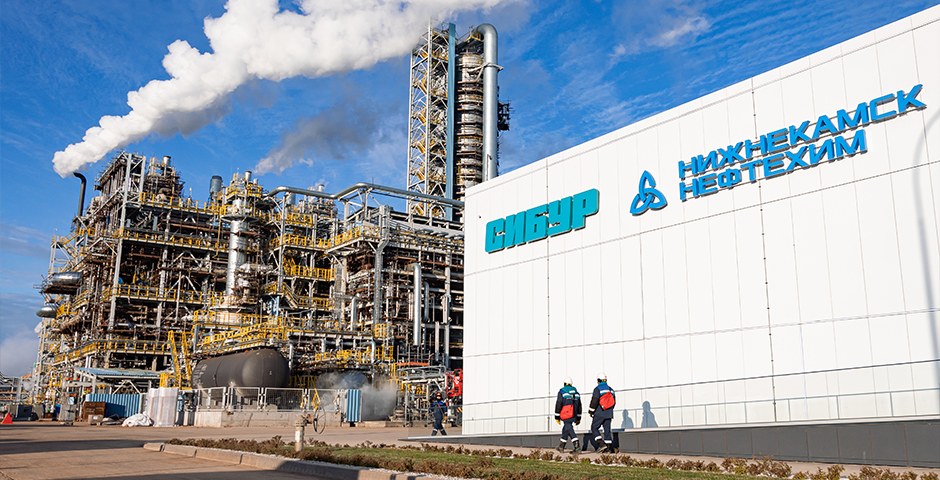
Early in the morning of June 12 — on Russia Day — unmanned aerial vehicles attacked industrial zones in Togliatti (Samara Oblast) and Nizhnekamsk (Tatarstan). Videos of fires from direct hits were shared by OSINT channels Exilenova+ and Supernova+. Togliatti Mayor Ilya Sukhikh acknowledged the strikes but claimed the attack was "repelled" — despite the fact that a fire at an industrial facility was recorded and confirmed by footage from the scene.
What was burning — and why this is not an ordinary factory
In Togliatti, the Tolyattikauchouk plant came under fire — one of Russia's largest petrochemical enterprises. According to Ukrainian Pravda, the plant produces synthetic rubber for the tire industry, rubber technical products, and high-octane fuel additives for military vehicles. The enterprise's products are essential raw materials for tires on trucks, aircraft, and armored vehicles.
Meanwhile, in Nizhnekamsk, Nizhnekamskneftekkhim was burning — an enterprise of the Sibur holding that produces over 120 types of chemical products. According to monitoring channels, the damaged AVT-8 unit is responsible for primary crude oil processing. The distance from the Ukrainian border is over 1,000 km.
"Air defense systems and mobile fire groups repelled the attack"
— Togliatti Mayor Ilya Sukhikh, despite the confirmed fire at the industrial facility
It is notable that this is not the first attack on Togliatti. On the night of April 4, two chemical plants there were already burning — then residents also recorded explosions in various parts of the city.
Logic of targets: rubber → tires → front
The choice of targets fits into a broader strategy of strikes against Russia's military-industrial supply and production chains. Tolyattikauchouk is not a defense plant in the classical sense, but its products are a critical component in the production of:
- tires for military vehicles (including armored vehicles and aircraft);
- rubber seals and technical products for industry;
- fuel additives that increase engine lifespan.
Destroying the capacity of such an enterprise does not stop the front immediately — but it creates supply chain deficits that accumulate over months.
Analysts also note: according to estimates, FP-1 type drones could have been used for the Togliatti attack — which indicates further improvement in the range and accuracy of Ukrainian strike UAVs.
If attacks on petrochemical infrastructure continue at the same frequency as in April–June 2025, Russia will face the question: will internal reserves of rubber and oil products be sufficient to maintain the pace of military tire production by the end of the year?





