Until May 14, 2025, Ukrainian military law knew only one form of farewell — burial or reburial. If there was no body, there was no official procedure to say goodbye with dignity. Law No. 15029, which was voted for by 273 people's deputies, closes this gap.
What exactly changed
The Charter of Garrison and Guard Services of the Armed Forces has been supplemented with a new article 81-1. It introduces a separate procedure — a military farewell ritual — for military personnel whom a court has declared dead in the absence of a body. This is a legally distinct category from ordinary burial: a person is officially dead by court decision, but remains are absent.
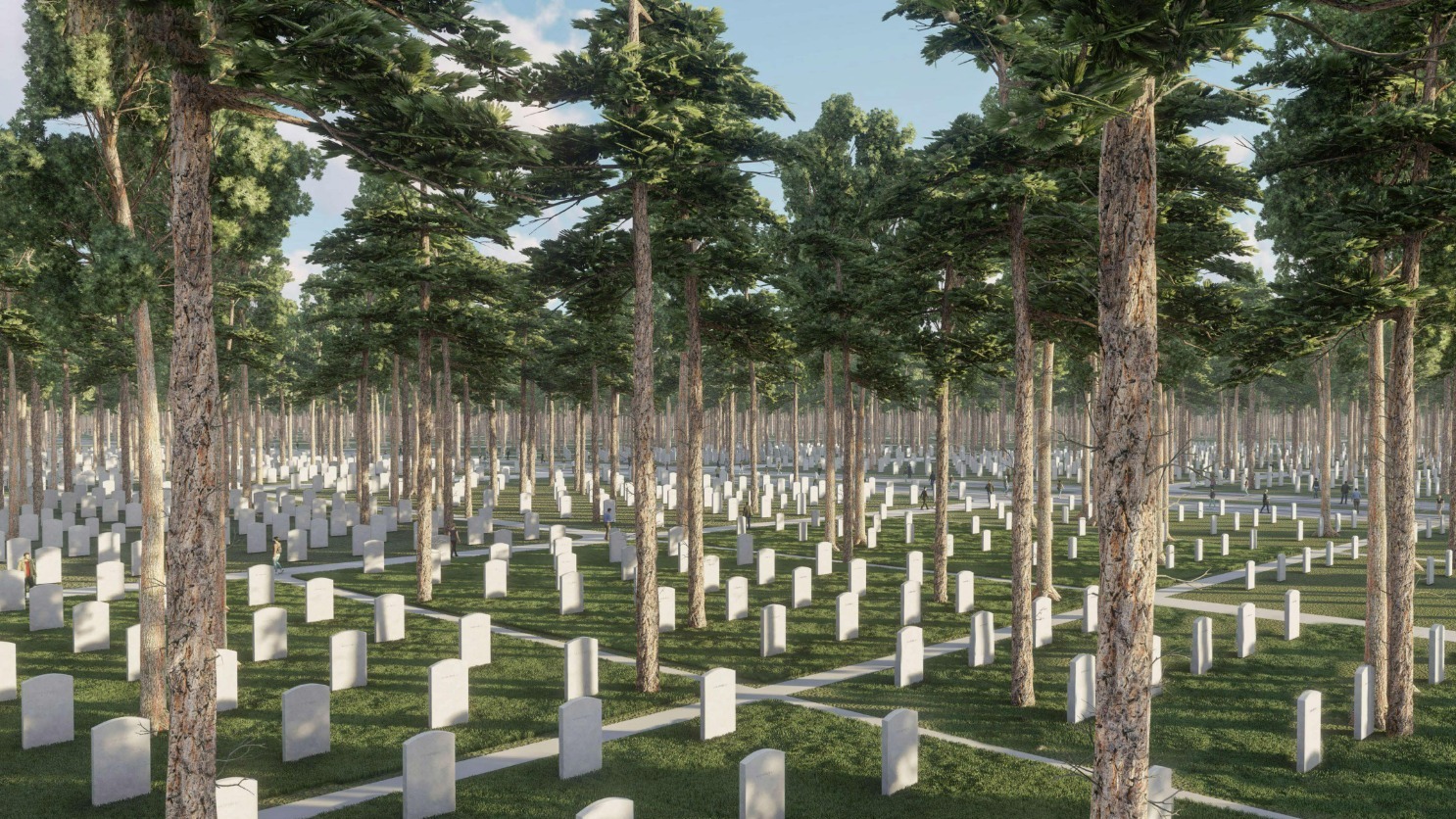
The ceremony is tied to a cenotaph — a symbolic grave. It is there that the state flag is unfurled, the signal "Honor" is performed, three volleys of blank ammunition are fired, and the flag is solemnly handed over to relatives with an established verbal formula. The flag is then kept by the family as a relic — it is not returned to the state.
Who decides and how the decision is made
The initiative rests with the relatives or close friends of the deceased. If there are none, the decision can be made by the garrison commander, the head of the territorial recruitment center, or the head of the local state administration. In other words, the state can conduct the ritual without the family's consent — if there simply is no family left.
"The document was developed to regulate matters concerning the rendering of military honors to persons who defended the independence, sovereignty and territorial integrity of Ukraine, among those declared dead by a court."
Press Service of the Verkhovna Rada
The scale of the problem the law solves
Prime Minister Yulia Svyrydenko initiated the draft law. The public search database Ukpovis records over 2,700 military personnel listed as missing in action — and this is only those whose families filed search notices. The actual number is much higher: some of the missing may be in captivity, some may have died without the possibility of body identification. It is precisely for this latter group that the judicial procedure of declaring someone dead becomes the only legal tool — and now a state ceremony is added to it.
What the law does not resolve
The ritual is a symbolic act, not a legal status. It does not expedite the judicial procedure for declaring someone dead, does not simplify families' access to payments, and does not replace the work of body identification. Between the court decision and actual farewell, families go through a separate, often exhausting path through courts and military structures — the law does not address this part.
The question is whether families will receive real support in going through the judicial procedure, without which the new ritual is simply inaccessible — or will the law remain a right on paper for those who already know how to use it.





