70 people, 15 vehicles and three years of experience that no one in the EU has
On Friday, a combined unit of the State Emergency Service of Ukraine departed for France to extinguish forest fires. Formally, this is a routine operation within the EU's Civil Protection Mechanism — there are dozens of such missions every year. But there is a detail worth revealing: Ukrainian rescuers are going not as ordinary auxiliary forces, but as a team with experience unique for Europe, working in conditions that peaceful EU countries can hardly imagine.
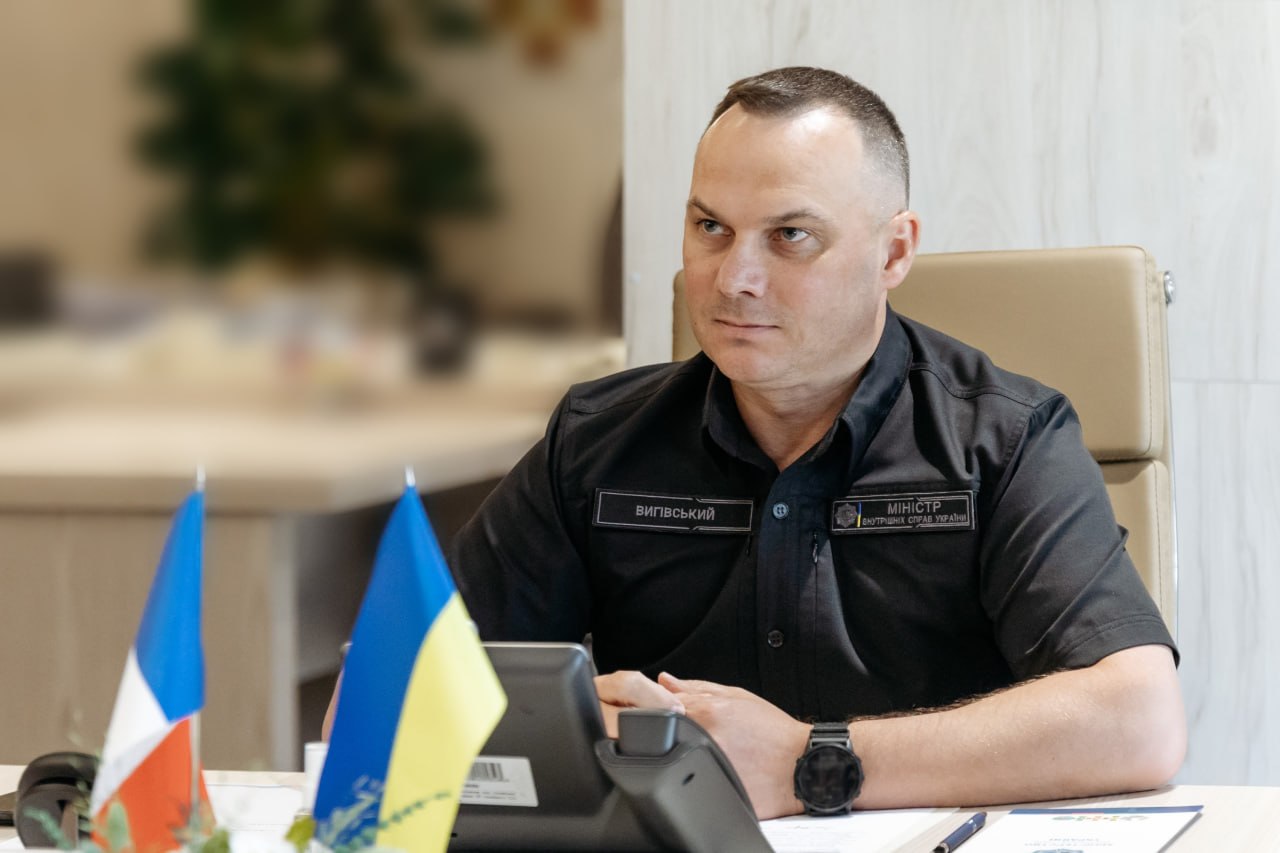
Interior Minister Ivan Vyhivskyi held online negotiations with his French counterpart Laurent Nunès on July 30, and according to Vyhivskyi, the French side specifically voiced a high assessment of the work of the Interior Ministry units. This is not diplomatic courtesy — it is a concrete signal: the experience of Ukrainian firefighters and rescuers has become an exportable resource.
Why Ukraine and not neighboring Spain or Italy
France has its own civil protection services and receives support from neighbors through the EU Mechanism constantly. But the daily reality for Ukrainian rescuers is eliminating the consequences of missile and drone strikes, extinguishing large-scale fires after shelling, and search and rescue operations in areas where strikes can still occur. These are decision-making skills in chaos and time scarcity, honed over years of combat practice, not training exercises.
Vyhivskyi directly linked this experience to a request for strengthened cooperation between ministries — meaning this is not about one-time assistance, but about a systemic interest from partners in Ukrainian competencies.
Aviation in reserve — and what this means for negotiations
The minister separately announced: if the situation escalates, Ukraine is ready to deploy the State Emergency Service's aviation. This is no small matter — aviation resources are scarce across Europe during peak fire season, and their availability in reserve makes the Ukrainian offer weightier than purely ground support.
This is already the second major gesture of this kind: on July 29, Zelensky offered Macron direct assistance with fires, and in autumn 2024, Ukraine offered support to countries affected by floods. The pattern repeats — and this is no longer an isolated act of goodwill, but an element of foreign policy.
The practical question
The main point here is not the humanitarian gesture itself, but whether this format will develop into a permanent channel of exchange — where Ukraine systematically shares its combat experience in civil protection in exchange for political and military support. If the French side truly values the State Emergency Service's competencies as much as Nunès's words suggest, the next logical step should be not a one-time mission, but joint training or technology exchange on firefighting — the only question is whether France is ready to pay for this experience with what Ukraine truly needs.