What Happened
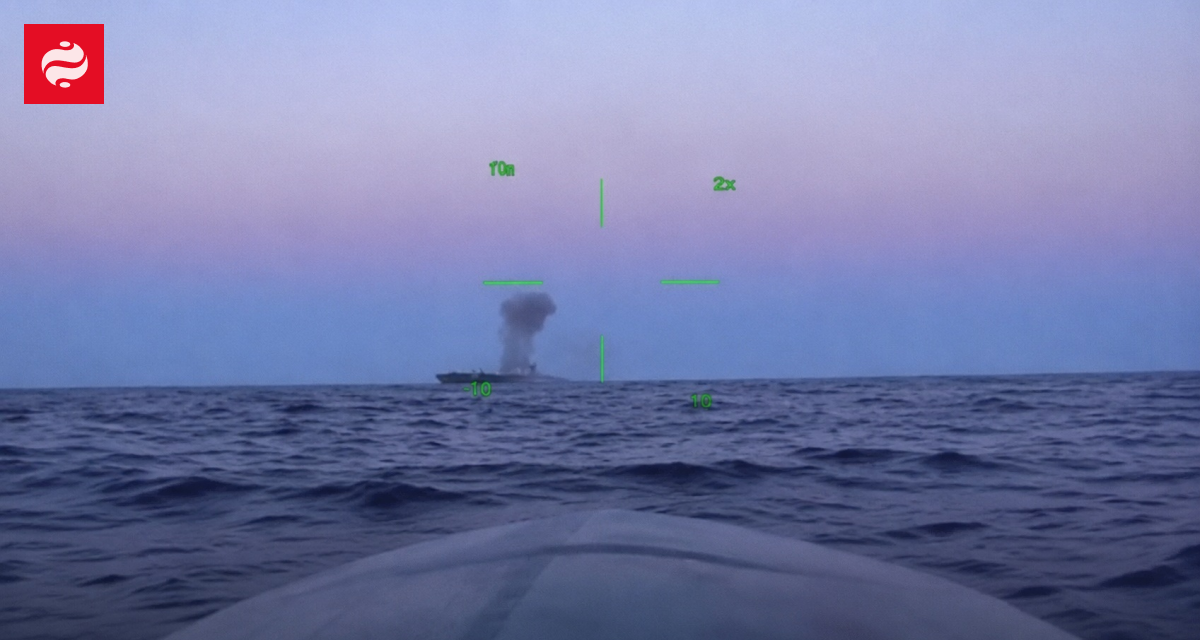
In the night of July 16, the SBU's naval drones "Mamai" struck two tankers of Russia's shadow fleet in the Black Sea — Louise 1 and Banda. Both are under Ukrainian sanctions. The operation was conducted by the SBU in coordination with the Armed Forces of Ukraine's Navy.
This is only part of a broader strike: in total that night, the Defense Forces hit six tankers and two tugboats in the waters of the Black Sea and the Sea of Azov, confirmed the General Staff of the Armed Forces of Ukraine. In addition, the Shakhtarsk oil depot in Donetsk region was destroyed.
The Sanctions-Evasion Scheme That Was Stopped
Louise 1 and Banda are not just tankers. They are elements of documented sanctions-evasion logistics.
- Louise 1 exported Russian crude oil (Urals grade) from ports in the Baltic and Black seas — systematically disabling the Automatic Identification System (AIS) to hide its route. According to the SBU, in 2024 alone, the vessel transported nearly 3 million tons of sanctioned oil.
- Banda transported crude oil from the ports of Ust-Luga, Kerch, Novorossiysk, and Nakhodka — meaning from both of Russia's fleets simultaneously.
Both vessels operated during the period of the oil embargo by the G7 countries and the EU.
"The destruction of shadow fleet vessels is a systematic way of depriving the Kremlin of money for war."
SBU, official statement, July 16
How the Armed Forces Protected the Drones
During the operation, Russian aviation attempted to destroy the naval drones: aircraft fired machine guns and dropped bombs. According to the SBU, without result. Video of the attack and countermeasures was published by the SBU.
Scale and Context
The July 16 strike is not the first in this series. According to the 5 Channel, only in the night of July 11, the Defense Forces attacked the shadow fleet in the Sea of Azov and hit 21 tankers. Four tugboats, two dry cargo ships, and a dredger were also damaged.
In parallel, Russia is responding to international pressure in its own way: according to S&P Global Market Intelligence, in the last three months of 2024 alone, 25 tankers switched to the Russian flag — to complicate their pursuit by foreign navies.
If the pace of strikes against the shadow fleet continues and the West simultaneously strengthens control over vessels under the Russian flag, insurance and freight rates for such transportation will rise so much that the scheme will become economically unfeasible. The question is whether there will be enough coordination between Kyiv and Brussels before Moscow finds new intermediaries.







