70 million euros is approximately 20,000 artillery shells at average market prices. This is how much ammunition the Ukrainian military could have received if the money transferred by Estonia to Italian company Datasel had actually resulted in supplies. Instead, it has turned into a court case in Strasbourg, an investigation, and a possible resignation of the defense minister.
A company without experience received an advance without guarantees
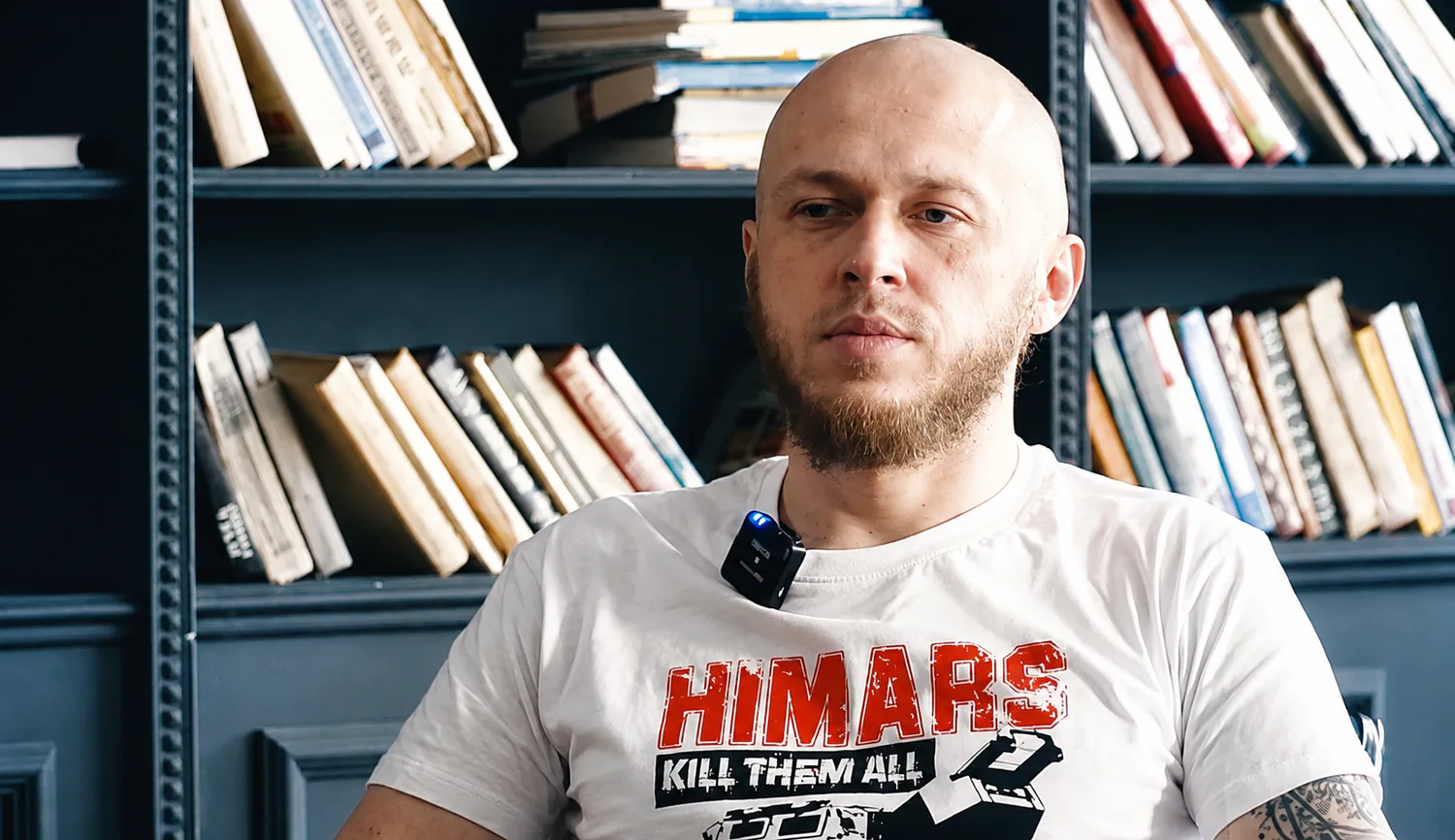
The ammunition was supposed to be supplied by Datasel, a company registered in Italy and connected to an Indian manufacturer. According to Magnus-Valdemar Saar, former CEO of the State Center for Defense Investments, Defense Minister Hanno Pevkur and the ministry's leadership knew about the risks: the company had never supplied shells before, but the funds were allocated anyway.
The scheme looked like this:
- August 2024 — first contract, advance of 15 million euros.
- October 2024 — second contract, another 10 million euros in advance.
- The first shipment was planned for November, but the company reported production issues.
- By the end of 2024, two more contracts were concluded and new advances were transferred, despite already known difficulties.
The money for the purchase came not from Estonia's budget, but from the European Peace Facility — a joint EU tool for financing military aid to Ukraine. This means the loss will be felt not only by Tallinn, but also by the mechanism used by dozens of countries.
Ammunition failed quality inspection
When the time came for actual inspection, it turned out that the ammunition did not meet quality requirements. In other words, the problem is not just a delay — the company failed to produce what it received money for in advance.
Now Estonia is trying to recover the funds through arbitration: the dispute is to be considered at the European Arbitration and Mediation Center in Strasbourg. In parallel, Estonian authorities are coordinating with the European Commission compensation options — one of them involves transferring unused funds to Denmark for direct financing of Ukrainian defense companies. This preserves the logic of aid to Ukraine, but does not answer the question of why quality control failed four times in a row.
The political price of the mistake
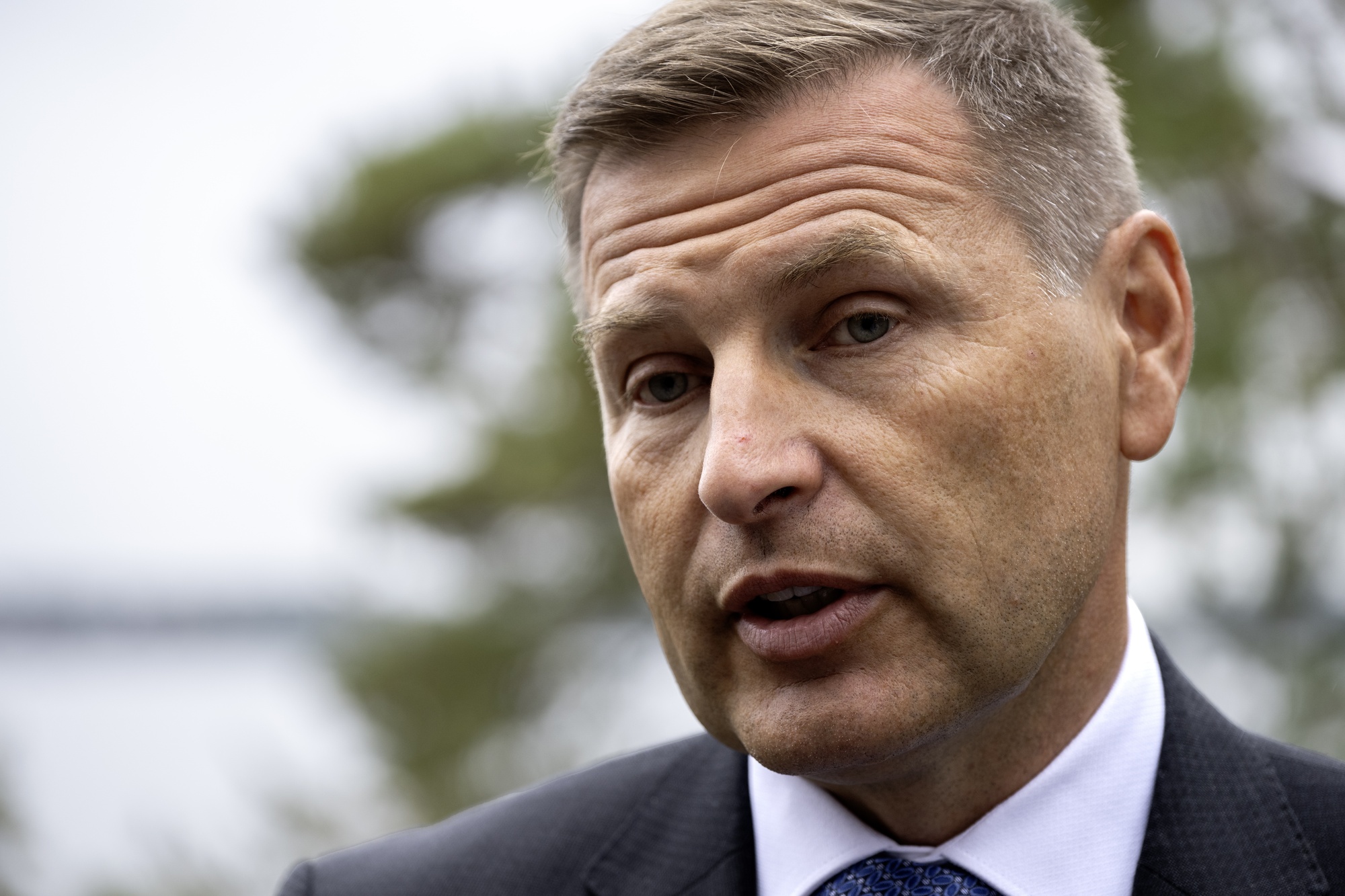
After the scandal, Defense Minister Hanno Pevkur may resign. Prime Minister Kaja Kallas does not rule out such a scenario:
"I do not see personal guilt on the part of the defense minister today. But this in no way excludes political responsibility. One does not exclude the other."
The decision is to be made after the government meeting on September 3, when Pevkur will personally appear before his colleagues.
The story fits into a broader European pattern: the war in Ukraine has already cost positions to officials who made miscalculations or made inconvenient statements. In 2022, Bulgaria fired Defense Minister Stefanov Yanev after his statement that the invasion should not be called a war, and Romanian Defense Minister Vasile Dincu resigned after remarks about negotiations with Russia. In May 2026, Latvia's Defense Minister Andris Spruds left his post after a drone incident, followed by Prime Minister Evika Siliņa.
What this means for donors
The Estonian case is not a story about corruption in the classical sense, but about the systemic risk of accelerated weapons procurement in wartime conditions: when deadlines are tight and supplier verification happens after the fact. Four contracts in a row with a company without experience — this is no longer a coincidence, but a decision made despite known warning signs.
The question for the coming weeks is simple: will arbitration return at least part of the 70 million euros to Estonia, and will this case become a reason to review weapons procurement procedures through the European Peace Facility in other donor countries.