For Ukraine, the question of "who is sitting in Berlin" is not abstract political science, but concrete Patriot missiles, tanks, and billions of euros in aid. Therefore, the statement by former Foreign Minister Pavlo Klimkin about a possible change of players in German power by the end of the year is worth attention not as a forecast for the future, but as a signal about risks to existing support.
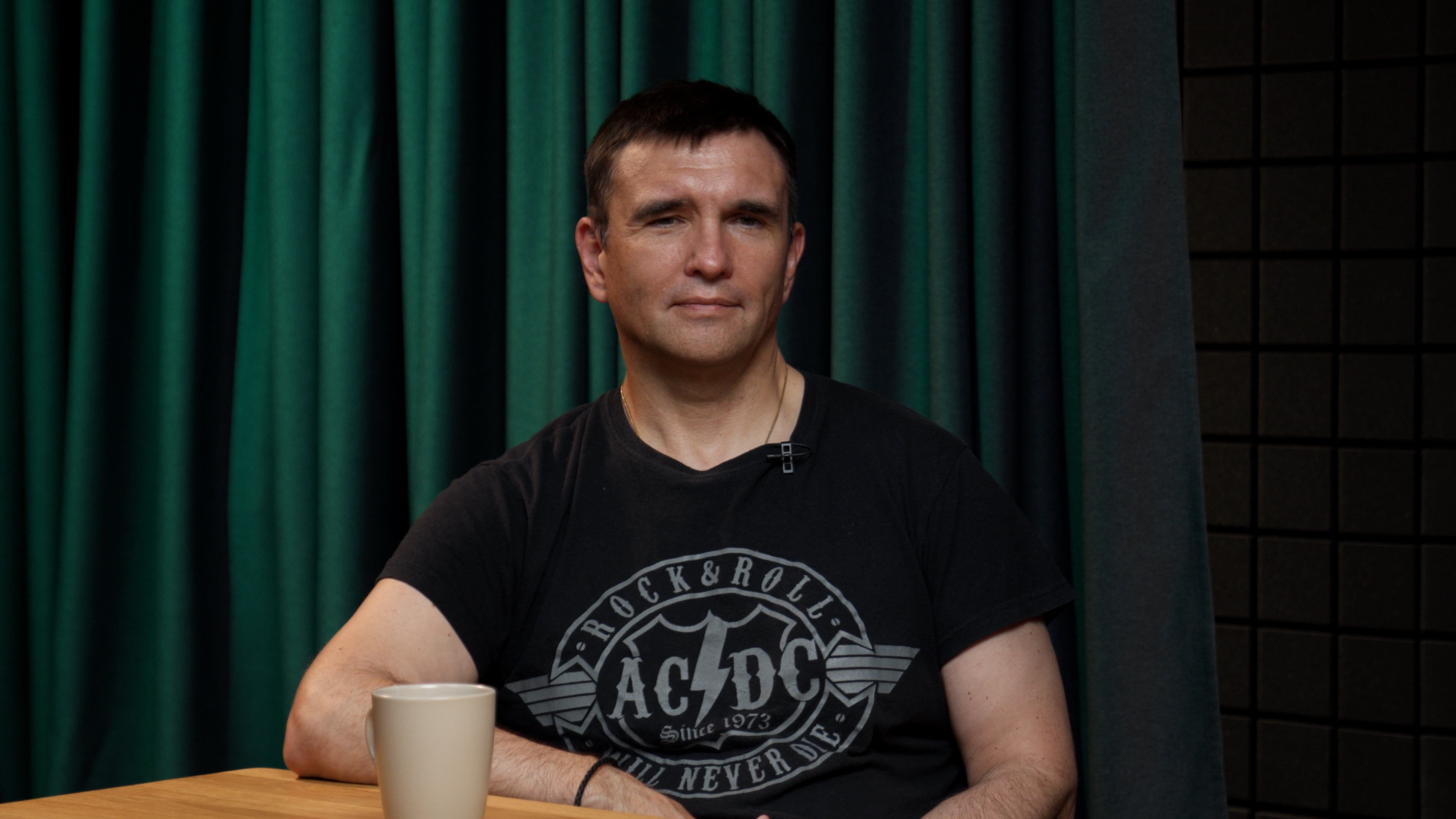
In a new episode of LIGA.net's YouTube project "Klimkin Explains," the diplomat outlined the logic of why September elections in the eastern federal states of Germany are important far beyond regional politics.
Not a party, but people
Klimkin does not expect that the far-right "Alternative for Germany," which leads in eastern Germany polls with a rating of over 40% in Saxony-Anhalt, will be able to collapse the current government coalition at the federal level. However, he draws attention to another, less obvious risk.
"Will this lead to a personal reformatting in Germany? My friends say it's 50-50. But rather yes. We could find ourselves by the end of the year in a reality where in Germany we will be dealing with different players at least at the personal level. I hope not at the political level," Klimkin said.
This is a difference worth understanding: not a change of course, but a change of specific people with whom Ukraine conducts negotiations about weapons, financing, and sanctions. A new minister or a new faction leader — these are new contacts, new priorities, sometimes — months of adjustment that war simply does not have.
Why the Kremlin is investing in regional elections
The scale of Russian interference shows how seriously Moscow takes these very elections in the eastern states. According to available data, over 180 fake posts about candidates who don't suit the Kremlin have already been created. This is no accident — the eastern states of Germany historically have a higher level of pro-Russian sentiments, and it is there that AfD is able to get close to an absolute majority in individual regions.
The logic is simple: if you can't change the coalition in Berlin directly, you can try to put your people in regional governments, from where a career path to federal politics begins.
Broader context: not just Germany
Klimkin also draws attention to other tension points in Europe that overlap with each other. In France, with the beginning of a new political season, an active phase of the campaign before the 2027 presidential elections will likely start — an event that, according to him, will determine the fate not only of France but of the EU as a whole. An additional factor of instability is Great Britain, where the new Prime Minister seems to focus primarily on domestic issues rather than foreign policy.
"The new political season will be one of the richest in very non-trivial challenges — both those we can already predict and those we cannot yet predict," the diplomat added.
The current German government remains one of Ukraine's key partners — in June alone, Volodymyr Zelensky reported a contract for supplying 600 missiles for Patriot systems. The question is whether this dynamic will be preserved if new faces appear at the negotiating table in the fall: how much time will it take for them to understand equally well the cost of every week of delay?