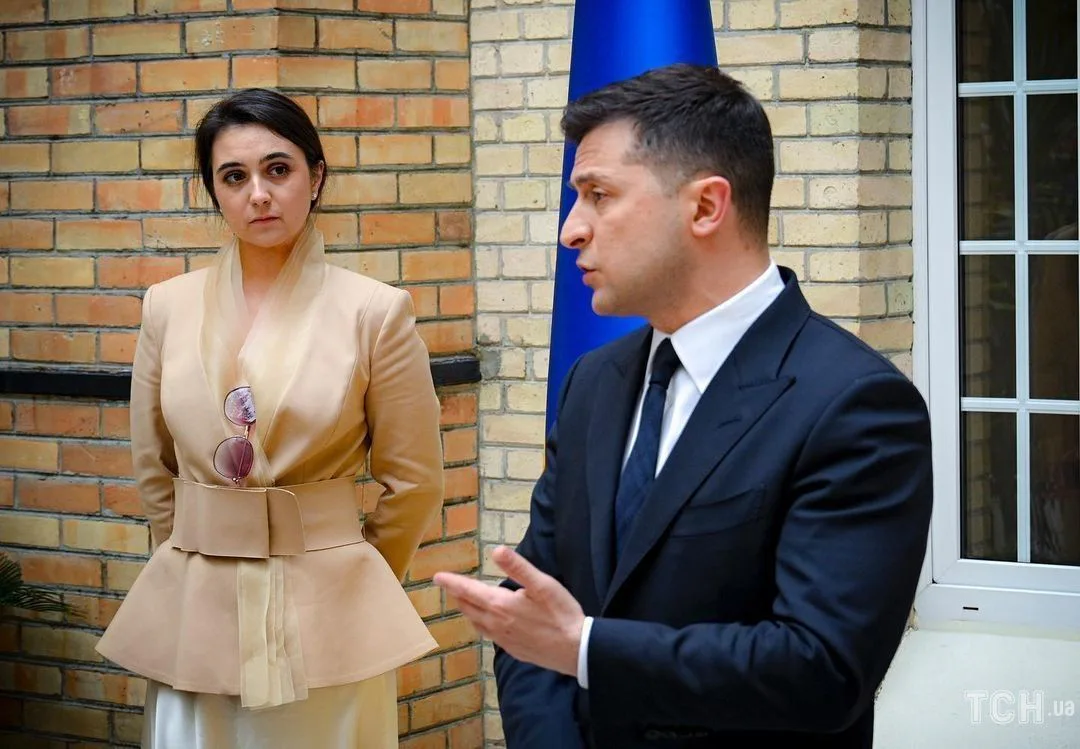
On June 28, Constitution Day, Zelenskyy unveiled a bust of Ivan Mazepa at the Kyiv-Pechersk Lavra — and immediately announced a full-scale monument in the heart of the capital. "Where Lenin fell, Mazepa will stand firmly," the president said, pointing to the corner of Taras Shevchenko Boulevard and Khreshchatyk, where the plinth of the Soviet leader was torn down by Euromaidan activists back in December 2013.
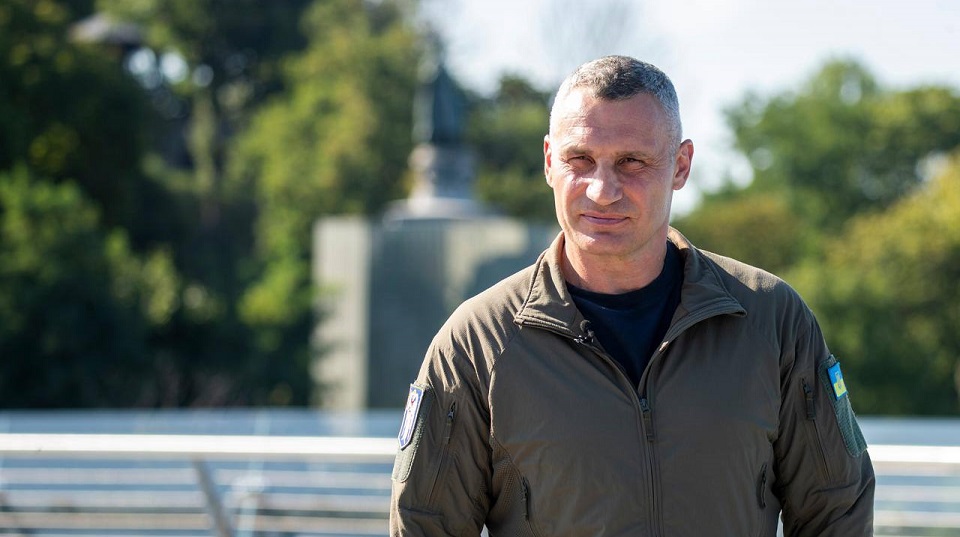
Kyiv Mayor Vitali Klitschko responded cautiously: the city authorities had not been officially consulted, and he learned of the idea from the media — like the rest of Kyiv residents.
What stood on that spot before Zelenskyy
The question of the fate of the empty plinth has been hanging over the city for more than ten years. In April 2026, Kyiv City Council officially announced plans to arrange a modern public space there — with a fountain. Klitschko had previously called a fountain the "most neutral solution," explaining that around any new monument "every sculptor wants to put something up" and conflicts will arise. The place, according to him, has "very negative energy."
"A monument to Mazepa should stand in central Kyiv, not Klitschko's banal fountain."
Timur Tkachenko, head of Kyiv City Military Administration, Telegram, June 28, 2026
Tkachenko — a figure appointed by Bankova and parallel to City Hall — directly supported Zelenskyy and publicly criticized the previous plan. "Instead of a figure symbolizing the struggle for Ukrainian statehood, Klitschko and City Hall were offering Kyiv residents just another fountain," he wrote. Notably, Tkachenko emphasized that from the very beginning he "neither publicly nor formally supported" the fountain idea.
Why now and who benefits
The announcement was made on a symbolic day and in a symbolic context — right after the opening of the bust at the Lavra, which Russia shelled on June 15, 2026. The message is transparent: deoccupying public space from Soviet symbols is a continuation of the military narrative.
- For Zelenskyy — it's seizing the initiative on a specific symbolic object where City Hall already had a ready-made plan. The decision was announced without coordination with KMDA — and this is not carelessness.
- For Tkachenko — an opportunity to publicly distance himself from Klitschko and position KMVA as a more "nationally conscious" structure.
- For Klitschko — an awkward situation: his fountain initiative was effectively rejected from above without informing him. The response "they didn't contact us" is both a statement of fact and a light reproach.
Behind the scenes remains the practical side: who commissions the sketch, who funds it, what competition will there be and will there even be one. None of these mechanisms were included in the presidential statement.
If Bankova truly wants Mazepa on Shevchenko Boulevard — the nearest test will be whether an official appeal to KMDA appears and whether the mayor will approve the dismantling of his own reconstruction project, approved back in spring.