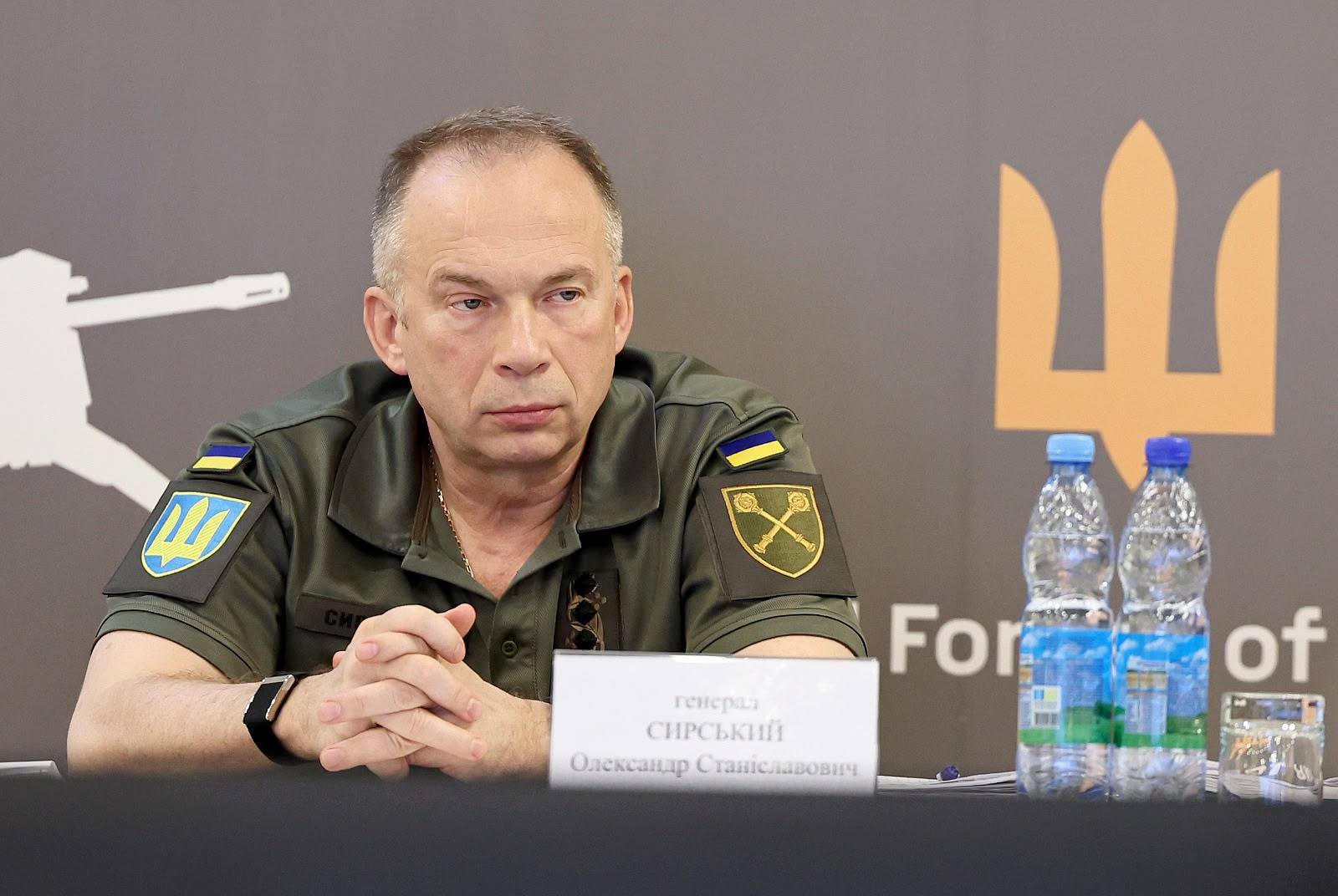
In May, the Commander-in-Chief of the Armed Forces of Ukraine Oleksandr Sirskyi held a meeting on countering enemy attack UAVs — and disclosed an intelligence forecast that changes the logic of the entire "small air defense" system. According to him, Russia plans to increase the share of jet-powered attack drones to 50% of their total number. This is not a statement about the distant future: the Main Intelligence Directorate of the Ministry of Defense reports that "Geran-4" and "Geran-5" are already in serial production.
What is a jet-powered "Shahed" and why is it not just a "faster drone"
The standard "Shahed-136" / "Geran-2" flies at speeds of around 185 km/h — mobile fire groups have time to track, aim, and shoot it down. Jet-powered modifications break this balance. According to the Main Intelligence Directorate, "Geran-4" reaches speeds of 400–500 km/h, while "Geran-5", which Ukrainian intelligence compares to the Iranian Karrar, reaches 600 km/h and is structurally closer to a mini-cruise missile than to an unmanned aerial vehicle.
The practical consequence: the reaction window for mobile groups shrinks from hours to minutes. Additionally, as noted by the publication "Obozrevatel" citing an analysis of the component base of "Geran-4", the increased speed came at the cost of range — a jet-powered drone cannot attack targets beyond Kyiv, Kirovohrad, or Odesa regions from available launch areas without a direct route, which makes trajectory prediction easier.
"The enemy constantly changes UAV tactics, increases their number and improves quality. The aggressor plans to reach the share of jet-powered attack drones to 50%. This poses new challenges to us that require timely response."
Oleksandr Sirskyi, Commander-in-Chief of the Armed Forces of Ukraine
How many drones is Russia producing and what does this mean in numbers
According to the Main Intelligence Directorate, this year Russia plans to manufacture 60,000 attack long-range drones and another 50,000 decoy drones. If the goal of 50% jet-powered drones is achieved — this would be approximately 30,000 high-speed aircraft per year. Currently, according to intelligence estimates, the Russian Armed Forces can launch 12–16 jet-powered UAVs daily, but this figure could increase fivefold.
An important nuance: the Main Intelligence Directorate confirmed that the use of jet-powered drones "remains predominantly in the testing phase" — meaning Russia is still working out tactics for mass deployment, rather than simply increasing production.
Ukraine's Response: three echelons in place, fourth in progress
Sirskyi reported that during May, Ukrainian interceptor drones in three layers of air defense destroyed over 3,500 enemy UAVs. The second echelon, for which the Unmanned Systems Forces are responsible, shows the highest effectiveness: over 1,200 drones shot down in May alone. Army aviation helicopters — over 440 destroyed UAVs in the same month.
In parallel, the Armed Forces of Ukraine are forming a fourth air defense echelon to cover two additional regions. Among the meeting's priorities are modernizing their own interceptors capable of catching jet-powered targets and increasing production of warheads for them. On April 17, a private air defense group first confirmed the interception of a jet-powered "Shahed" at speeds exceeding 400 km/h.
- "Geran-3" — analog of Shahed-238 with a turbojet engine, speed up to 370 km/h, range up to 1,000 km; first discovered in Ukraine in early June 2025.
- "Geran-4" — improved aerodynamics, speed up to 400–500 km/h, serial production confirmed by the Main Intelligence Directorate.
- "Geran-5" — cruise speed 450–600 km/h, structurally closer to a guided missile; the Main Intelligence Directorate indicates its relationship to the Iranian Karrar.
The key question that will determine the effectiveness of the entire system: will Ukrainian interceptors be able to massively shoot down targets at 400–600 km/h — or will the fourth echelon appear only when jet-powered "Gerans" comprise not 10%, but all 50% of the nightly swarm.





