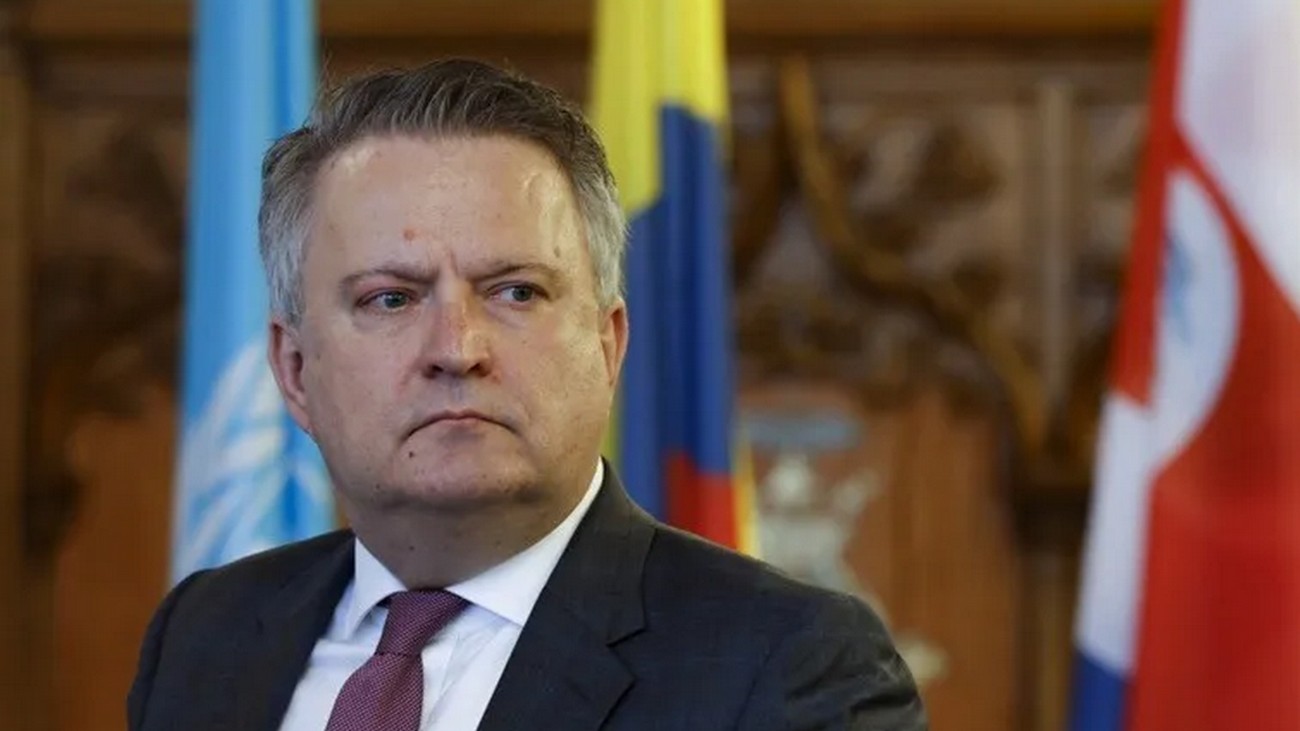
Sergiy Kyslytsia, Ukraine's permanent representative to the UN, publicly posed an uncomfortable question to New Delhi: does India notice a pattern between Modi's visits to Putin and the subsequent massive missile attacks on Ukrainian cities?
The diplomat recalled a specific example. In the summer of 2024, when the Indian Prime Minister was on an official visit to Moscow and demonstratively embraced Putin, a Russian missile struck the Okhmatdyt children's hospital in Kyiv. Children died. Modi expressed his "pain and anger" — but only after photos of the embrace had circulated around the world.
Kyslytsia did not accuse India of complicity. His thesis is more precise and for that reason sharper: Russia's "special and privileged partner" — the official status that New Delhi prides itself on — functions without any mechanism of accountability. India buys Russian oil at a discount, increases trade turnover, provides Moscow with diplomatic cover at international platforms — and at the same time positions itself as a neutral peacemaker.
This dissonance is not a new topic, but Kyslytsia sharpened it through a specific person under the rubble of a specific hospital. This is precisely how an argument works that is difficult to deflect with procedural formulations about the "multivectoredness" of Indian foreign policy.
New Delhi traditionally responds that it supports diplomatic settlement and "cares about all sides." But care without pressure is a position that benefits the one who continues the offensive.
The question hanging in the air after Kyslytsia's words: will India change its rhetoric to action — and if so, what should be the specific price for the next embrace with Putin?





