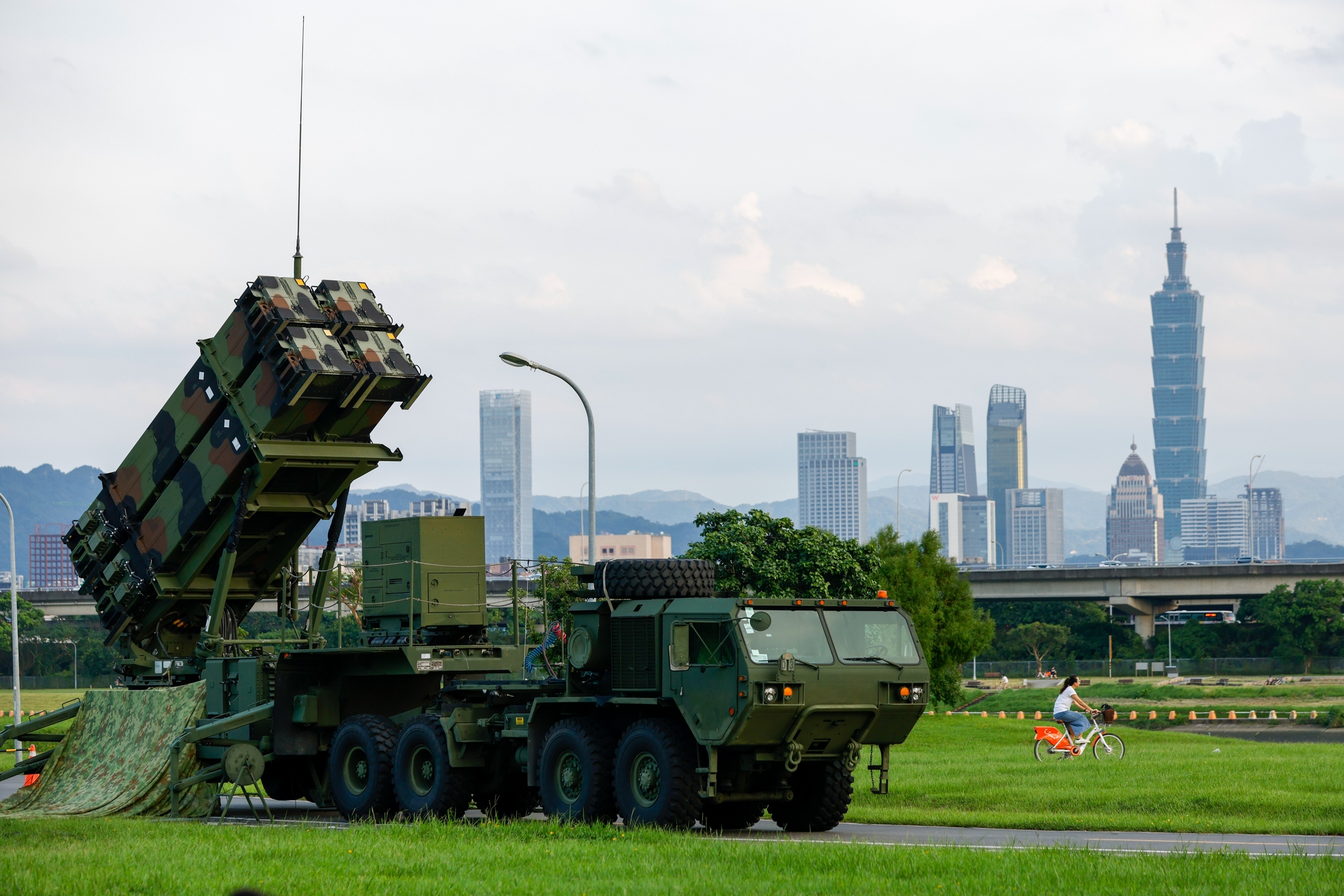
Kyiv has made an unconventional proposal to Berlin: immediately receive dozens of Patriot interceptor missiles from Bundeswehr stocks in exchange for future supplies — missiles that are still being manufactured. According to Bloomberg, citing two anonymous sources, negotiations are ongoing behind closed doors.
Why now
The context of the deal is not abstract "air defense strengthening," but a concrete shortage. According to Defense Express estimates, in December 2025 — January 2026 alone, Russia launched at least 61 ballistic targets that theoretically require PAC-3 MSE interceptors to counter. The American planning standard is two interceptors per target. Ukrainian calculations, due to ammunition shortages, often fired just one.
In parallel, ISW notes that during a series of strikes in late June 2025, Ukraine managed to shoot down only one of seven Iskander-M/KN-23 missiles and none of four Kinzhals — a result that directly correlates with depleted reserves.
What exists and what is lacking
In April 2026, Raytheon signed a contract with Ukraine for $3.7 billion for supplies of PAC-2 GEM-T interceptors. A key role in production is to be played by a new plant in Schrobenhausen (Bavaria), which will operate through a joint venture COMLOG — Raytheon and MBDA Deutschland. Germany's Defense Ministry took on the financing.
"Raytheon is focused on maximizing production capacity, ensuring steady supplies of interceptors for the United States and allies like Ukraine"
— Phil Jasper, Raytheon president
But the production chain takes months, not weeks. That is precisely why Kyiv is seeking a solution from already available stocks: industrial capacity exists, but the current shortage is here and now.
What Kyiv offers and what Berlin considers
The deal mechanics: Berlin transfers missiles from Bundeswehr stocks now — and receives compensation through interceptors from future production. Essentially, this is an ammunition loan backed by a production contract. One of Bloomberg's sources confirmed that supplies of American-made interceptors to Ukraine are proceeding on schedule.
Berlin, according to sources, is considering the request. Defense Minister Boris Pistorius negotiated with Pete Hegseth back in July 2025 about transferring two Patriot batteries — the issue was then planned to be resolved "quickly and quietly." The current request concerns only missiles, not batteries.
- Kyiv's request: dozens of interceptors from Bundeswehr stocks during 2026
- Proposed compensation: interceptors from future production (timelines not disclosed)
- Status: Berlin is considering, no decision announced
- Parallel track: Raytheon contract for $3.7 billion — long-term but not urgent solution
The real crux of the problem is not whether Berlin will agree in principle, but how many interceptors the Bundeswehr can transfer without critically weakening its own air defense. If Germany agrees and the "ammunition credit" mechanism works — it could become a template for similar requests to other allies with Patriot stocks.





