On the evening of June 4, while Saint Petersburg had not yet cleared the black smoke from Ukrainian drones above the venue of the Petersburg Economic Forum, Volodymyr Zelensky published an open letter to Putin. The timing is no coincidence: according to a source in the president's team, he had been developing the idea for the letter precisely ahead of the forum.
What's in the letter
Zelensky proposed a meeting in a third country — Moscow and Kyiv are clearly excluded as venues. There is one condition: a complete ceasefire as the basis for negotiations on lasting peace. The text contains a direct challenge: Putin regularly postpones deadlines for capturing Ukrainian regions, including Donetsk Oblast, and will not capture them this year either. The letter has been registered and distributed on the platforms of the UN, the Council of Europe, and the OSCE.
"If you personally do not come to the conclusion that it is time to end this war, Ukraine will continue to fight for its existence."
From Zelensky's address to Putin
Sybiga's position: not a gesture, but pressure
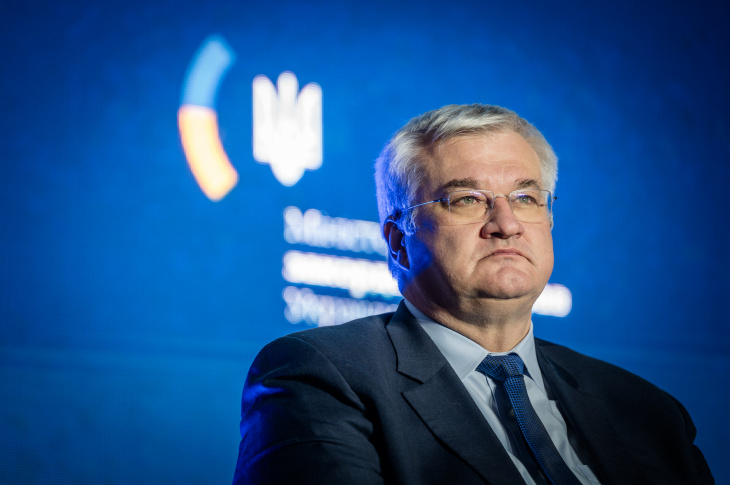
Foreign Minister Andriy Sybiga, speaking on a telethon, rejected interpretations of the letter as a concession. According to him, Ukraine "has the strongest positions on the battlefield in the last year" — thanks to asymmetric attacks, the destruction of Russian air targets, and the courage of its military. This, the minister insists, is what makes the document a lever, not a plea.
"Now the ball is in Russia's court, because Ukraine has once again publicly demonstrated its position — we are ready to end the war through diplomatic means."
Andriy Sybiga, Minister of Foreign Affairs of Ukraine
Sybiga also noted that the letter is being analyzed in Russia, and it would be "wise for Putin to accept the offer, not hide, and meet."
Reactions: from Berlin to the Kremlin
- The Kremlin: Peskov stated that he saw the letter, but Putin will be "informed later." The traditional response — "if he wants negotiations, let him come to Moscow" — was already pre-emptively ruled out in the address itself.
- Berlin: Germany's Foreign Minister on June 5 stated that Putin should sit down at the negotiating table.
- Washington: Trump, answering a question in the Oval Office, called a potential meeting of the two leaders "wonderful."
Tactical context
The letter appeared at a moment when Ukrainian strikes are reaching deep into Russia — in particular, drones attacked energy and military infrastructure in Saint Petersburg right during the forum, turning the Kremlin's economic showcase into a backdrop of black smoke. According to presidential adviser Dmytro Lytvyn, the main addressee is Putin, but the letter is simultaneously addressed to the United States and partners: each will read their own message into it.
Whether Zelensky's public proposal becomes a real diplomatic track depends on one thing: whether the Kremlin responds to the letter formally, or whether silence turns into a de facto refusal that Kyiv will be able to use as an argument in subsequent negotiations with partners regarding strengthened support.





