What happened
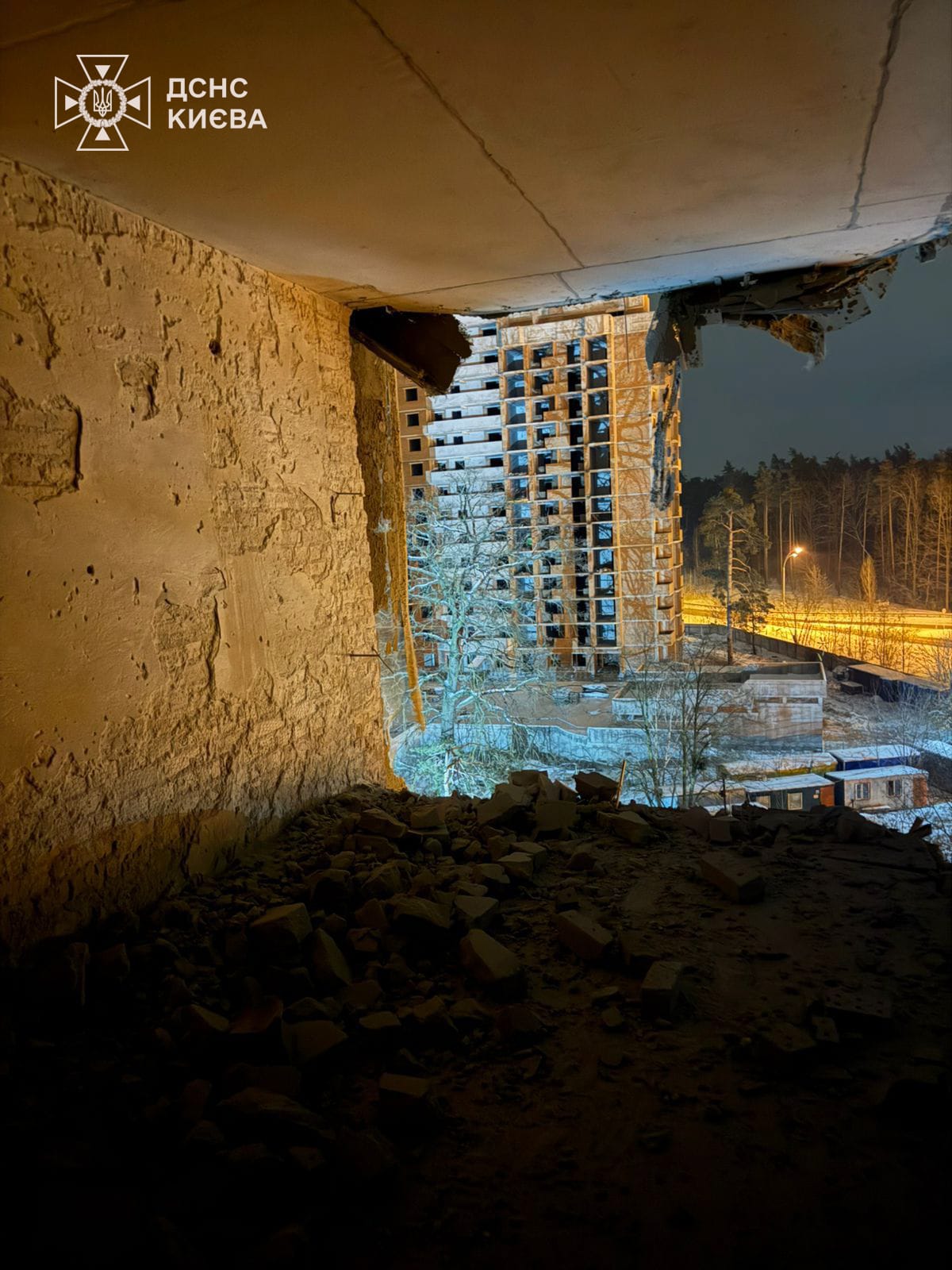
On the night of January 24, Russia launched nearly 400 aerial targets at Ukraine, attacking Kyiv and the surrounding region, as well as Sumy, Kharkiv and Chernihiv regions. According to the president and the Air Force, the enemy used 375 strike drones and 21 missiles of various types. The main target was the energy infrastructure of Kyiv region, making the strike not only military but also civilian.
"The enemy used more than 370 strike drones and 21 missiles of various types. The main target in the capital and the region was energy infrastructure."
— Volodymyr Zelenskyy, President of Ukraine
What was used
The Air Force report listed the key types of missiles:
— two anti-ship 3M22 "Zircon" (from the temporarily occupied Crimea);
— 12 Kh-22/Kh-32 cruise missiles (from the airspace of Bryansk region);
— six ballistic "Iskander‑M"/S-300 missiles (also from Bryansk region);
— one guided air-launched Kh-59/Kh-69 missile (from the airspace of Kursk region).
"375 UAVs were recorded — about 250 'Shaheds', 'Geran', 'Italmas' and other types. A distinctive feature of this attack was the involvement of strategic aviation to launch Kh‑22/Kh‑32."
— Ukrainian Air Force (official statement)
Air defense results and losses
As of 09:00 the Air Force reported 357 downed drones and 15 intercepted missiles (including nine Kh‑22/Kh‑32, five 'Iskander‑M'/S‑300 and one Kh‑59/69). However, several missiles and UAVs reached their targets: impacts of two missiles and 18 strike drones were recorded at 17 locations, and debris fell in 12 locations.
Consequences for civilians: in Kyiv one person was killed, four were wounded; cars were set on fire and residential buildings were damaged. In Kharkiv — 19 people injured, damaged homes, a medical facility and a maternity hospital.
Context and possible motives of the attack
The combination of strategic cruise missiles and mass drone attacks indicates multiple simultaneous objectives: physical destruction of targets, overloading the air defense and energy systems, as well as psychological pressure on the population and administration. Such strikes aim not only for tactical results but also to reduce the ability to recover after the bombardments.
At the same time, the effectiveness of air defense — 357 downed UAVs and 15 missiles — indicates systematic work of airspace protection and logistics that allow repelling mass attacks, although risks to critical infrastructure remain high.
What is important to know going forward
The attack shows two key things: first, the enemy is prepared to combine precision missiles with a "buckshot" of drones; second, our air defense and recovery services are working intensively, minimizing the consequences. Going forward, supplies of air-defense systems and energy recovery modules, as well as international coordination of legal and sanctions responses, are critically important.
Analysts note that such tactics may be repeated until air-defense capability increases and protection of power grids is strengthened. For every citizen this means preparing for possible temporary outages and relying on official sources of information regarding safety.
Summary: the nocturnal mass attack is part of a systemic campaign against civilian infrastructure. At the same time, the high interception rate demonstrates that the defense is working — the task of authorities and partners now is to turn the temporary success of air defense into a lasting advantage.





