Up to 300 Russian soldiers remain in Transnistria. The occupiers are recruiting the rest locally — from among Moldovan citizens whom they are pressuring to serve in illegal Russian military formations. This is not an abstract threat on a map: it is a tool of pressure that Moscow holds 70 kilometers from Odesa.
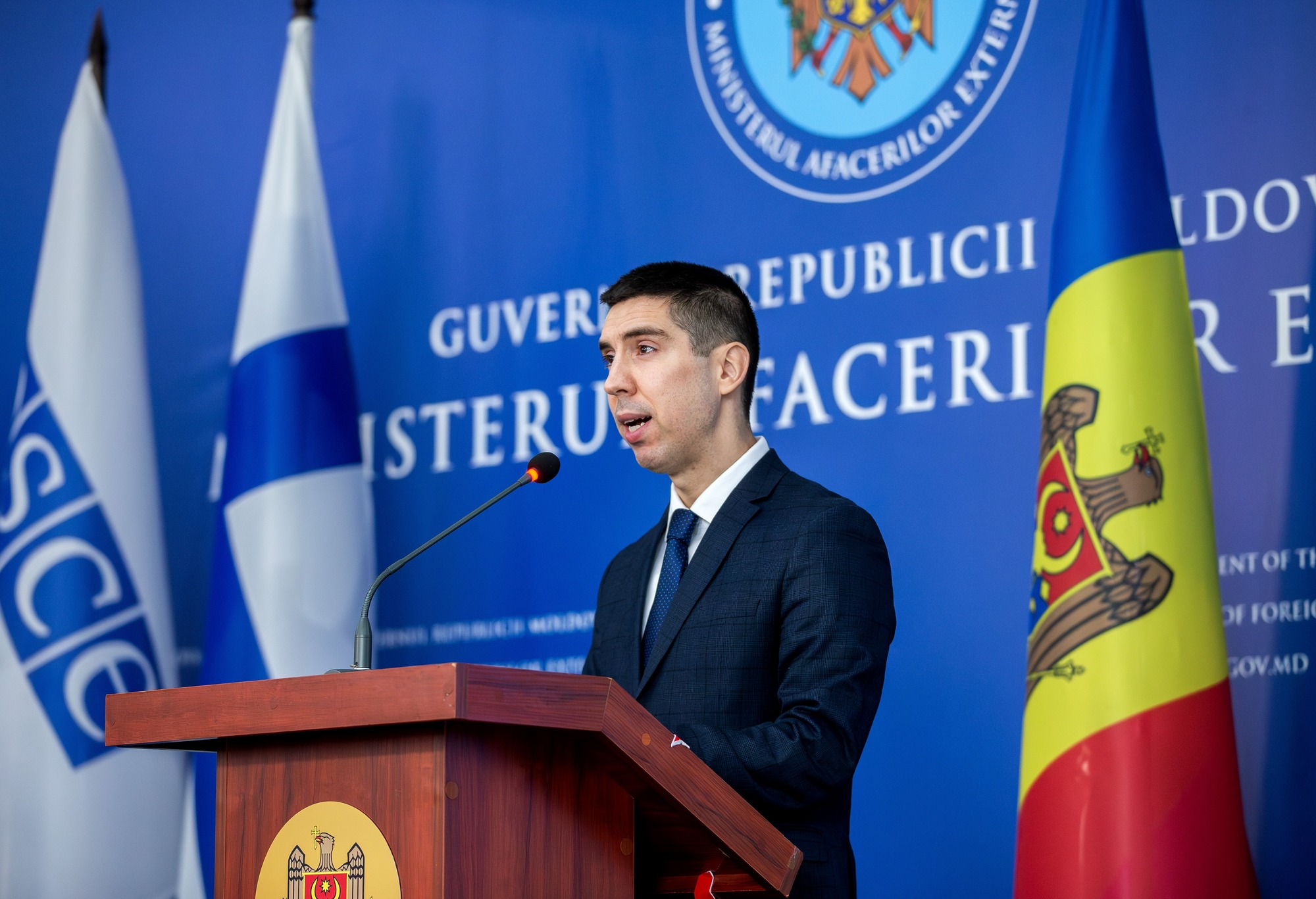
Against this backdrop, Moldova's Foreign Minister Mihai Popșoi presented a thesis to the European Parliament's Security and Defense Committee that contradicts the position of President Maia Sandu: including the Transnistrian issue in a peace agreement between Ukraine and Russia could harm the settlement itself.
Two logics within one Chişinău
Sandu publicly called in June 2026 for including a point about the withdrawal of Russian troops from Transnistria in future peace agreements regarding Ukraine. Popșoi chooses a different strategy: he insists that Moldova's European integration and Transnistria's reintegration must proceed in parallel, rather than in one package with Ukrainian settlement.
"Otherwise, we will give the Kremlin a tool of influence and effectively a veto right over our process of accession to the European Union"
Mihai Popșoi, Moldova's Foreign Minister
The logic is simple: if the Transnistrian issue becomes a mandatory condition of a peace treaty between Kyiv and Moscow, Russia gains another point of negotiation where it is already physically present. Negotiations become more complex, and Moldova becomes a hostage to a foreign agreement.
What is in Chişinău's plan — and what is missing
In March 2026, Moldova for the first time in over 20 years presented its Western partners with an official non-paper outlining its vision for Transnistria's reintegration. The document, presented in Brussels, identifies demilitarization and democratization as the main preconditions. It also provides for the creation of an international civilian mission to accompany the transition.
However, the document contains a fundamental gap: no mechanism for the withdrawal of Russian troops. As European Pravda notes, Chişinău has no tools to force Moscow to retreat — and relies exclusively on pressure from partners. Moldova plans to exert economic pressure on Tiraspol independently, but a military scenario is effectively ruled out.
- Up to 300 Russian military personnel remain in the region; Moscow recruits the rest of the army from local residents
- Moldova declared for the first time: Transnistria will have no special status after reintegration
- Chişinău is asking partners for air defense interceptors — drones from Russia are already regularly violating the country's airspace
After the agreement — new architecture
According to Popșoi, after an agreement is reached between Kyiv and Moscow, the next step should be a broader discussion on regional security architecture. It is in this format, in his view, that the Transnistrian issue can be considered without the risk of blocking main negotiations.
This is a declaration of sequence, not a mechanism. Who exactly will sit at the table of this "broader discussion," in what format, and with what authority — remains open. What is known for certain: Russia has not withdrawn troops from Transnistria even when no one actively demanded it.
If a peace agreement between Ukraine and the Russian Federation is signed without direct mention of Transnistria — will Moscow agree to a "broader discussion" on regional security, where its only real concession would be withdrawal from Moldovan territory?







