What happened
On the night into Saturday, 21 February, strikes by unidentified drones were recorded on two industrial sites in Russia's Samara region, the region's governor Vyacheslav Fedoryshchev reported. According to him, there are reportedly no casualties, and emergency services are working at the sites. The region has enacted the "Kilim" plan — a closed-sky regime due to the UAV threat.
"During the night strikes were carried out on two 'industrial sites' in the region. There are no casualties. Emergency services are working on the scene."
— Vyacheslav Fedoryshchev, governor of Samara region
What was hit
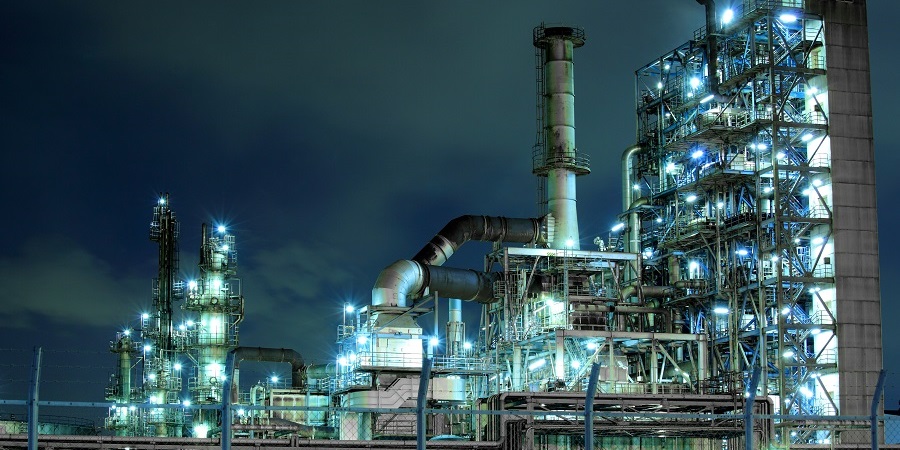
The OSINT project Supernova+ reported that the Neftegorsky gas-processing plant was hit. A large-scale fire is underway at the facility. The plant processes natural and associated petroleum gas: fractionation, extraction of propane-butane, dry gas and gas condensate. The plant plays a role in supplying the regional gas-transport infrastructure and providing feedstock for petrochemicals.
"The Neftegorsky gas-processing plant was hit"
— Supernova+ (OSINT)
Context: why this matters
A strike on a GPP is not only about a fire: it risks supplies of liquefied hydrocarbon gases and condensate that feed local industry and energy transport routes. Damage to interlinking infrastructure can cause cascading disruptions in adjacent sectors.
In addition, this attack fits into a string of nighttime strikes on rear-area facilities in Russia: the same evening there were reports of a hit in Udmurtia (likely the Votkinsk plant) and an attack on an oil depot in Pskov region on 19 February. Analysts note an intensification of operations aimed at logistics and energy — in other words, at elements that affect Russia's ability to sustain production and supply chains.
What this could mean next
Immediate consequences include investigation, containment of the fire, and damage assessment. Medium-term risks include disruptions to LPG supplies for industry and household consumers in the region, as well as threats to other critical rear-area infrastructure. If a systemic pattern of such strikes is confirmed, this would add pressure on Russia's internal logistics and could affect the pace of restoration of defense-industrial deliveries.
What to watch
1) Official confirmation regarding the second struck site; 2) the scale and causes of the fire at the Neftegorsky GPP; 3) the impact on regional energy supplies; 4) whether nighttime attacks on industrial hubs in the rear will continue. The expert community has not reached a consensus, but many analysts note: such strikes are aimed less at immediate effect and more at undermining the enemy's resource base and logistics.
Warning: video materials from the scene may contain coarse language.
Brief summary
The nighttime attack in Samara region is a signal of increased pressure on rear-area infrastructure in Russia. Expect official reports on the scale of damage and consequences for supplies. For now, it is important to record facts, distinguish confirmed information from conjecture, and view this event in the context of a series of strikes on logistics and energy.





