Briefly
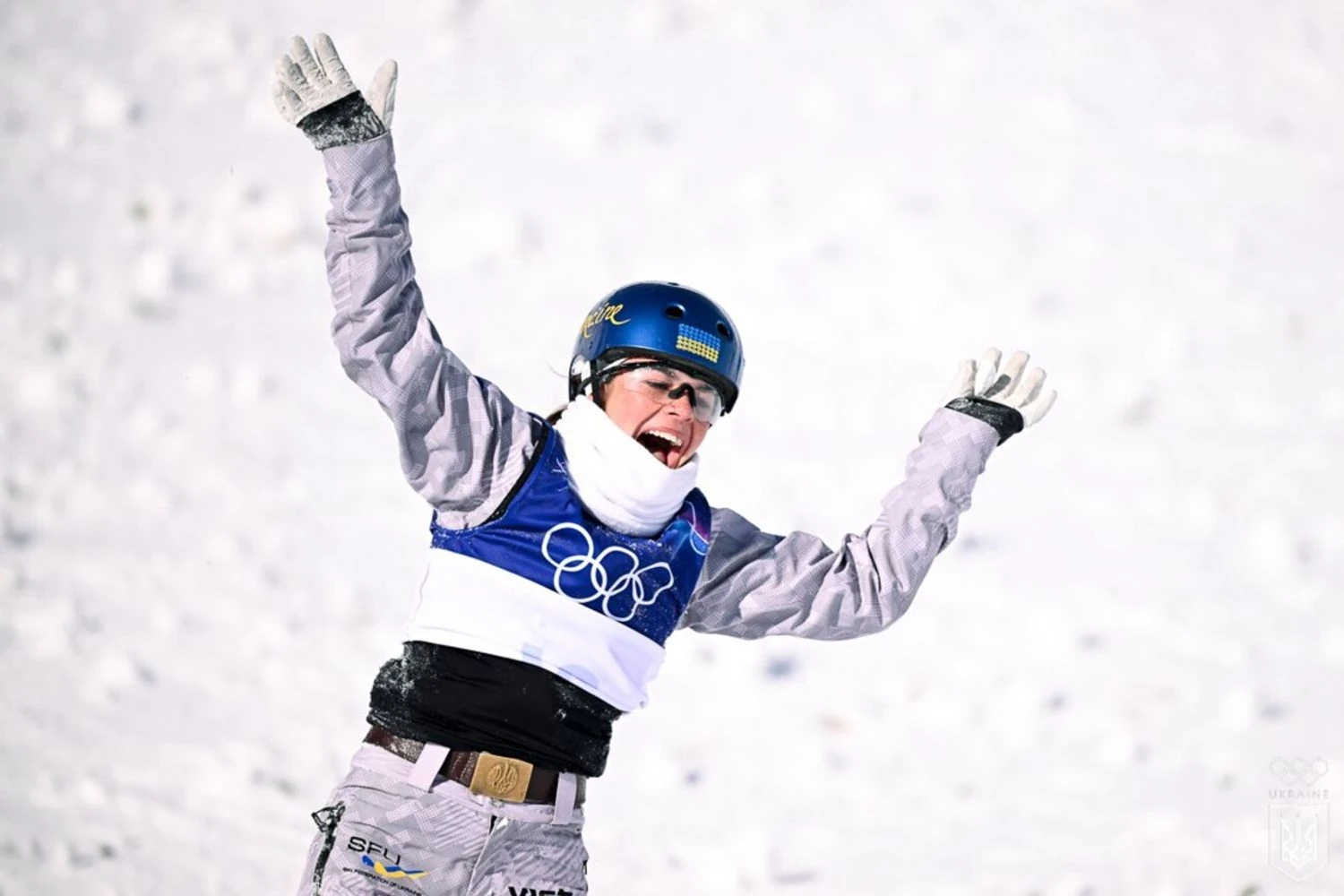
On 21 February in Milan and Cortina d'Ampezzo five Ukrainian athletes completed their events at the 2026 Olympic Games. They competed in ski aerials and cross‑country skiing. Results were reported by the Ministry of Youth and Sports of Ukraine and the NOC.
How the competitions went
The last events for our athletes were the mixed team competition in ski aerials and the men's 50 km mass start in cross‑country skiing. In the mixed team tournament (Angelina Brikina, Oleksandr Okipnyuk, Dmytro Kotovskyi) the team finished in 6th place. In the 50 km mass start in cross‑country skiing Dmytro Drahun — 43rd place, Oleksandr Lisohor — 40th place.
Freestyle. Ski aerials. Mixed team competition (Angelina Brikina, Oleksandr Okipnyuk, Dmytro Kotovskyi) — 6th place. Cross‑country skiing. Men. Mass start. 50 km. Dmytro Drahun — 43rd place, Oleksandr Lisohor — 40th place.
— Ministry of Youth and Sports / NOC of Ukraine
Organization and consequences
The NOC of Ukraine additionally reported that all 46 Ukrainian athletes at the Olympics were accredited on time; no problems with logistics or injuries were recorded. This is an important indicator not only for the athletes but also for public administration and the country's international image — flawless operational work allows concentration on results instead of emergency logistics.
Why this matters
6th place in the mixed tournament shows that Ukrainian ski aerials can compete in the team format — even under resource‑intensive training conditions during the war. Full accreditation and the absence of incidents are proof of the operational capability of the organizers and of voluntary support, which allow athletes to train and perform without distractions.
Sports community analysts note that such results provide grounds for well‑argued requests for investment in infrastructure and training programs. Today it is important not only to celebrate the athletes' hard work, but to turn visibility into systemic support — financial, coaching, and medical.
Conclusion
The results shown are a combination of individual effort and the quality work of sporting bodies. The next step for Ukraine is to convert these signals of attention into long‑term investments and programs that will make performances regular rather than episodic. Will sports authorities and society be able to seize this window of opportunity?