What happened
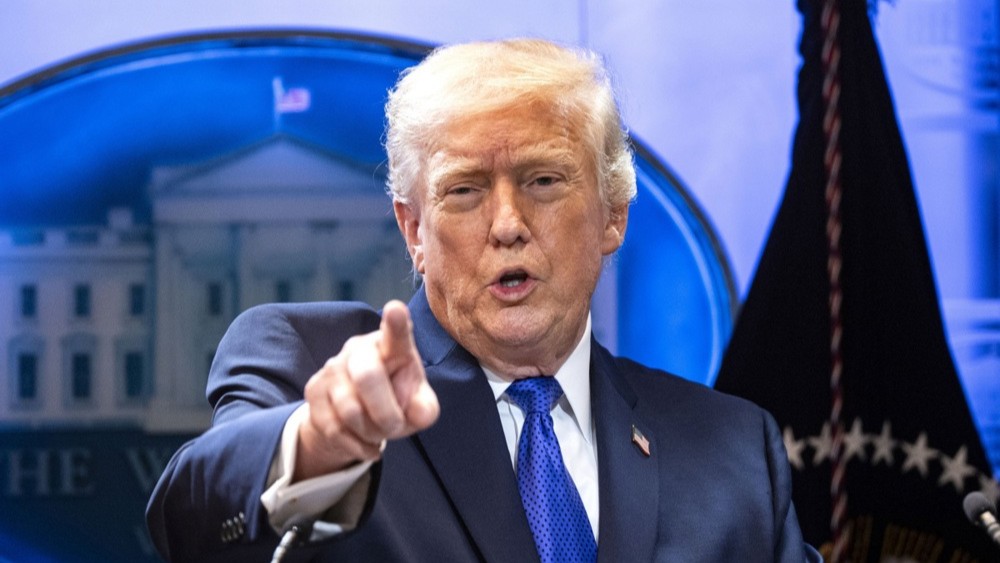
US President Donald Trump announced on his social network Truth Social an increase in global tariffs from 10% to 15%. The decision was made after, on February 20, 2026, the US Supreme Court ruled most of the tariffs from the previously announced wave unlawful — those had been imposed under the International Emergency Economic Powers Act (IEEPA). The temporary levy is now being imposed not under IEEPA but pursuant to provisions of the Trade Act — for 150 days beginning February 24, 2026 — with a number of exemptions to safeguard economic needs, including for critical minerals and certain defense-related goods.
"The court's decision is absurd, poorly drafted, and extremely anti-American"
— Donald Trump, President of the United States
Context and operational consequences
The administration's legal defeat changed the legal basis of trade policy, so the White House responded quickly — by raising rates and using a different mechanism. This has several practical consequences: short-term increases in importers' costs, administrative review of exemptions, and the risk of legal challenges. American business groups — the US Chamber of Commerce and the National Retail Federation — have already called for refunds of billions of dollars paid previously as tariffs, which further complicates the political and economic picture.
Why this matters for Ukraine
From a Ukrainian perspective, the framing is simple: changes in US trade policy affect the cost and availability of components for the defense industry, logistics, and global supply chains. Tariff increases could push up prices for imported parts for weapons and equipment, and complicate deliveries of critical minerals that are important for energy and defense. At the same time, this creates a field for diplomatic work: partner governments can seek special exemptions or compensation so as not to undermine the shared ability to supply Ukraine with necessary resources.
What to do next
A short plan for Ukrainian government and business circles: 1) promptly monitor the list of exemptions and file requests to protect critical supplies; 2) work with partners in the US on legal and political guarantees for deliveries of equipment and materials; 3) accelerate diversification of supply chains, especially for components and minerals.
This decision is not only domestic American policy but a factor that can affect the cost of our defense and economic stability. Will allies use this period to turn declarations of support into concrete guarantees of supply?





